
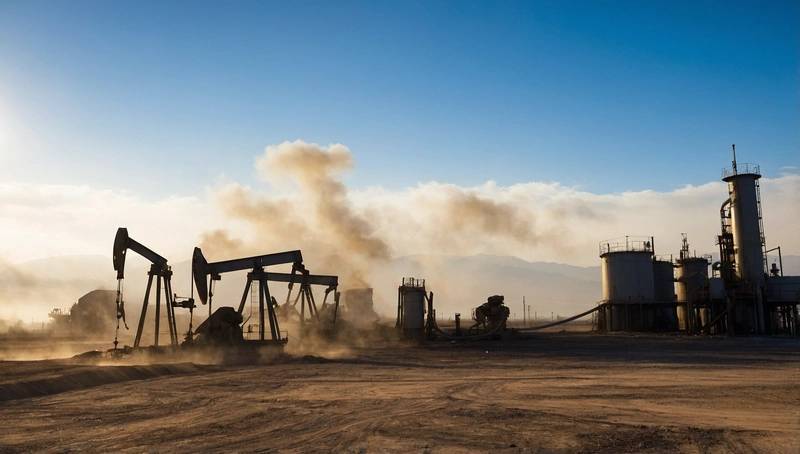
The conflict involving Iran has thrown the global oil market into turmoil. Ships carrying crude through the Strait of Hormuz, a narrow waterway between Iran and Oman, have slowed to a trickle. This passage normally handles about 20% of the world’s petroleum needs. With tankers avoiding the area due to security risks, supply lines have fractured in ways not seen before.
Countries that rely on these flows now face real pressure. Gulf producers, including major players in Saudi Arabia, have dialed back production. They cannot get their crude out reliably. Saudi Arabian Oil Company (TADAWUL: 2222) Chief Executive Amin Nasser called the situation dire. He said prolonged fighting could wreck the market for everyone. Before the trouble started, daily flows through the strait topped 20 million barrels. Today, that number sits much lower, according to analysts at Rapidan Energy Group.
Oil prices tell the story. Benchmarks like Brent crude spiked above $100 a barrel recently, hitting levels last reached in 2022. They even touched close to $120 before pulling back. Traders worry about how long this will last. Every day of delay means higher costs at pumps and factories around the world. Central banks watch closely too. Inflation could stall planned rate cuts if energy stays expensive.
Enter the International Energy Agency, or IEA. This group coordinates oil emergencies for over 30 member countries, mostly advanced economies in North America, Europe, and Northeast Asia. Together, they control 1.2 billion barrels in government reserves. Another 600 million barrels sit in industry tanks under official mandates. IEA head Fatih Birol announced an urgent meeting for today. Members will review supply risks and market stress. The goal is to decide if those emergency stocks should hit the market soon.
This comes right after Group of Seven (G&) energy ministers talked earlier that day. The G7 includes Canada, France, Germany, Italy, Japan, the United Kingdom, and the U.S. All are IEA members too. They explored ways to steady supplies without committing yet. Sources say the U.S. favors tapping 300 million to 400 million barrels. That equals 25% to 30% of the total IEA stockpile. No final call came from those talks. Ministers stressed unity and readiness to act if needed.
France, holding the G7 presidency this year, hosted a related finance ministers call beforehand. They signaled openness to stock releases but held off. French Finance Minister Roland Lescure noted no acute shortages in Europe or the U.S. yet. Still, they pledged to keep monitoring. Canada’s François-Philippe Champagne echoed that. He pointed to oil already in transit and efforts to clear the strait. Coordination remains key.
Birol has sounded the alarm before. He told G7 finance leaders markets worsened fast. Transit woes through Hormuz pair with output cuts elsewhere. Risks grow by the day. Past crises shaped the IEA. It formed after the 1970s oil shocks to prevent repeats. Releases happen only under strict rules: drops over 7% in supply for 90 days, with 90 days notice.
What happens next shapes everything. If the IEA greenlights a drawdown, it could calm prices short term. Members would sell or lend oil to fill gaps. Past efforts, like in 2021, eased pressure without flooding markets. Gulf states might ramp up too once routes reopen. Saudi Arabia already fended off drone attacks on fields.
Businesses feel this now. Airlines burn more on fuel. Manufacturers pass costs to buyers. Consumers see it at gas stations. Longer term, high prices spur shifts to alternatives. Electric vehicles gain appeal. Renewables draw investment. Yet no one expects quick fixes. The strait stays choked until fighting eases.
World leaders balance military aims with economic fallout. President Trump suggested the conflict nears an end. Markets dipped on that hope. True calm depends on safe passage resuming. For now, the IEA meeting offers a checkpoint. Decisions there could steady nerves or signal deeper trouble ahead.
