
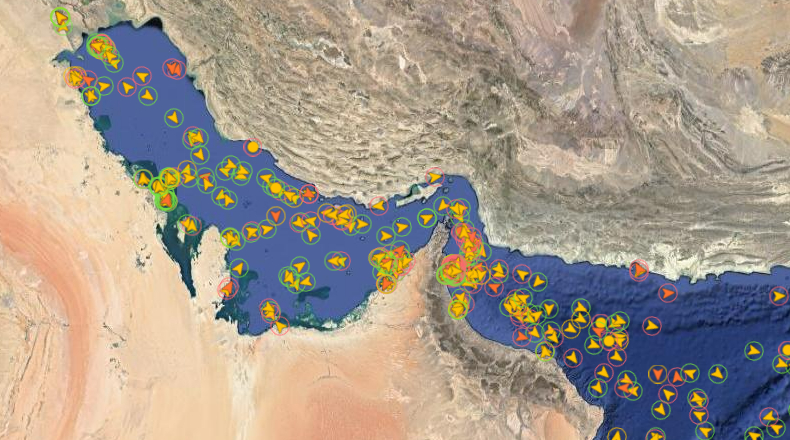
A narrow passage between Iran and Oman now casts a shadow over your medicine cabinet. The Strait of Hormuz, just 21 miles wide, has been nearly shut to global shipping since late February, after U.S. and Israeli strikes on Iran triggered heavy retaliation. Missiles, drones, and blockades followed, cutting vessel traffic by more than 70%. Iran now allows only select ships through, warning Western vessels to stay clear.
The shock began as an oil crisis, about one, fifth of global crude normally passes through Hormuz, but its deeper bite hits healthcare. Prescription drug supply chains rely heavily on this route. India, the world’s leading supplier of generic medicines to the U.S., depends on Hormuz for two critical flows: incoming raw materials and outgoing finished drugs.
Petroleum, derived chemicals, solvents, and packaging plastics all move through these waters into Indian factories that produce low, cost drugs like statins, diabetes pills, and antibiotics. With routes blocked, shipments stall. Refineries in India slow as oil supplies tighten, chemical inputs dry up, and pharmaceutical production drops, already down 20% this month.
For now, few Americans feel it. Major distributors typically hold 30 to 60 days’ worth of stock for common generics, keeping pharmacies steady in the short term. But if the blockade lasts into late spring, inventories will thin, raising prices and limiting availability. Some patients could be pushed toward costly brand, name alternatives, five to ten times the price, and insurers are likely to balk. Missed doses and skipped treatments become a real risk.
Ripple effects reach further. Hormuz also channels shipments of fertilizers, metals, and textiles. Strains on agriculture and manufacturing add inflationary pressure from multiple directions. The International Monetary Fund already warns that a prolonged closure could shave one to two percent off global growth.
India is scrambling to reroute oil and cargo via overland links and Red Sea ports, but capacity is thin. Meanwhile, tanker insurance costs have tripled, and some shipping companies have halted Gulf runs altogether. Even U.S. and allied naval escorts can’t guarantee safe passage.
If the standoff eases in the coming weeks, most disruptions may fade before they reach consumers. But if it hardens, your next refill could join a growing line of global shortages, all traced back to one narrow strait.
