
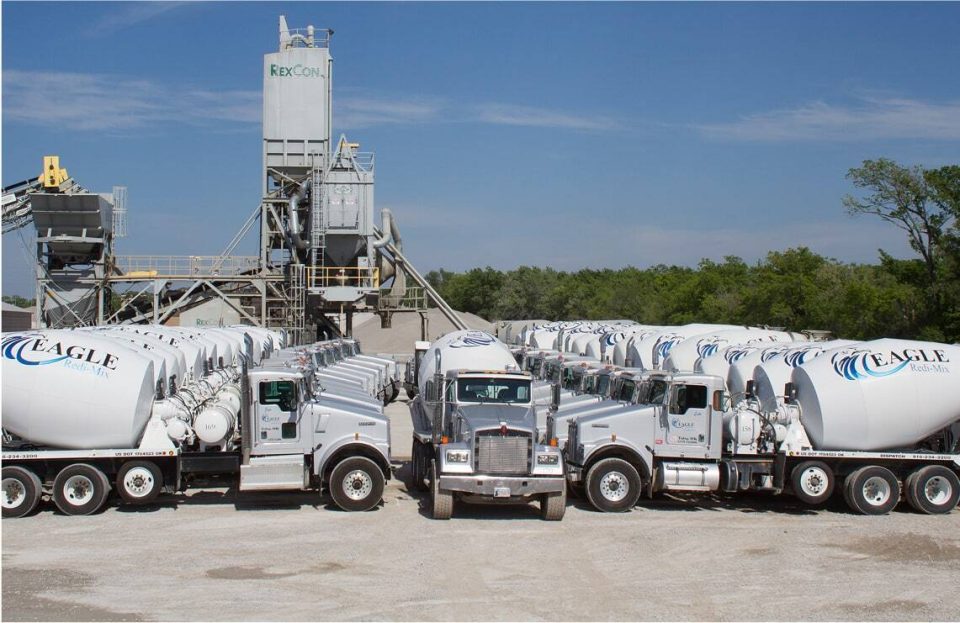
Ready-mix concrete is one of the most local businesses in the economy. Once water meets cement inside the drum of a mixer truck, the material starts to set, so each load has to be poured within a few hours of leaving the plant. That limits how far a single producer can deliver. As a result, the industry across much of the U.S. is still made up of regional, often family-owned operators rather than big national brands.
That patchwork creates an opening for a strategy known as a roll-up: buy many smaller companies, keep the local managers in place, and add capital, technology and shared purchasing behind them. Suncrete, Inc. (NASDAQ: RMIX) is built around that idea. The Tulsa-based company delivers ready-mix concrete in Oklahoma, Arkansas, Texas and Louisiana, and sells other concrete products in Arkansas, Louisiana, Mississippi and Missouri. Its focus is the Sunbelt, the band of southern states where population growth has supported a long run of construction. The company began trading on Nasdaq on April 9th.
The scale of that buying showed up clearly in the third-quarter results released today. Revenue for the three months ended September 30th reached $141.0 million, up 163% from $53.5 million a year earlier and up 45% from $97.2 million in the second quarter. The amount of concrete the company produced and delivered rose 32% from the second quarter. Suncrete spent $172.6 million in cash on acquisitions during the first nine months of the year, which accounts for most of that growth. Organic growth, meaning growth from operations the company already owned, was about 10%, according to Chief Executive Officer Randall Edgar.
For a roll-up, the more telling number is profitability. Suncrete highlights its Supplemental Adjusted EBITDA, which roughly tracks operating earnings before interest, taxes, depreciation and certain other items, and also leaves out pay to affiliated consultants. It rose about 60% from the second quarter, to $23.3 million. As a share of revenue, it improved from 15.0% to 16.5%. That sequential gain matters because the company has said its margins were held back by higher material and operating costs at acquired plants while it aligned their concrete recipes and purchasing practices. Edgar pointed to progress in North Texas in particular.
The longer view is less flattering. A year ago, the same margin stood at 26.9%, so the business is earning noticeably less on each dollar of sales than it did before its latest wave of deals. Under standard accounting rules, the quarter came in close to break-even, with a loss of one cent per share.
Management also lowered its full-year outlook. Suncrete now expects 2026 revenue between $408.0 million and $434.0 million, compared with an earlier range of between $420 million and $480 million. Expected Supplemental Adjusted EBITDA fell to between $63.6 million and $67.6 million, down from a prior range of between $71 million and $96 million. The company said some project start dates have slipped into 2027 and that elevated interest rates are weighing on residential construction.
The balance sheet reflects the cost of all that expansion. At September 30th, Suncrete held $49.0 million in cash against roughly $259.2 million of debt. The stock has spent recent weeks trading at around $9 to $10 a share, well below its 52-week high of $25.50.
What happens next depends largely on whether integration keeps moving in the right direction. Edgar said he expects significant organic and acquisitive growth heading into 2027, and the third quarter offered some early evidence that acquired plants can earn more once they are folded in. The open questions are whether margins can climb back toward where they stood before the recent deals, how much additional borrowing future acquisitions will require, and how well Sunbelt construction holds up if rates stay high.
