
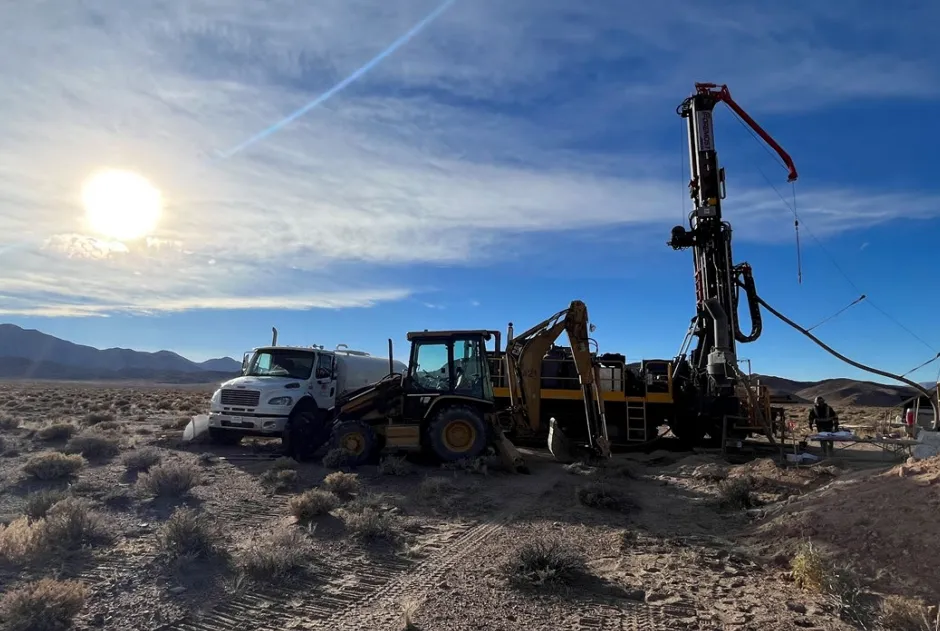
If you take a drive along the dusty highways north of Wells, Nevada, you might not guess you’re nearing the site of a project with ambitions that stretch across decades and continents. Yet this is exactly where Surge Battery Metals Inc. (TSXV: NILI, OTCQX: NILIF) wants to put Nevada on the map for the next generation of battery metals.
Earlier this week, Surge Battery Metals released its independent Preliminary Economic Assessment (PEA) for the Nevada North Lithium Project, and the numbers are not shy. The company projects an after-tax net present value of $9.17 billion and an internal rate of return clocking in at 22.8%, with assumptions grounded in a lithium carbonate equivalent (LCE) price of $24,000 per tonne. With expectations of an average of 86,300 tonnes of LCE produced per year and a mine life that stretches to 42 years, this plan is anything but cautious.
The scope of development here is striking. The project will see a two-phase build-out, starting with a lithium plant designed to process 2.58 million tonnes of material a year in Phase 1, doubling to 5.15 million tonnes with Phase 2 kicking in by Year 4. It is a long road: the company expects peak production in Year 6, touching 109,100 tonnes of LCE for that year alone, a sign that the plan is meant to build up momentum before settling into a steady rhythm.
The capital outlay, as you would imagine, is formidable. Surge projects spending $2.97 billion to get the first phase up and running, with another $2.35 billion allocated to Phase 2. Add in $1.51 billion in sustaining capital, and the total cost comes to a hefty $5.32 billion. As for profitability, Surge anticipates an average annual after-tax cash flow of $1.06 billion, with a payback period of just under five years. Even for those used to large mining projects, these are ambitious figures that stand out.
This assessment is built around robust data, thanks in part to independent reviews by respected consulting firms. M3 Engineering & Technology Corp. and Independent Mining Consultants, both with decades of experience in the field, helped shape the PEA. Surge leans heavily on the depth and breadth of their expertise to reinforce both the science and the financial structurings behind the report, and the technical teams have scrutinized everything from process recovery data to mine scheduling to get the numbers right.
Underpinning these plans, the site’s geology tells its own story. The Nevada North Lithium Project is defined by a mineralized zone of lithium-rich clays extending for over 4,300 meters in strike length and a width of over 1,500 meters. Current resource models show a pit-constrained inferred resource of 8.65 million tonnes of lithium carbonate equivalent, grading at a promising 2,956 parts per million lithium at a cut-off of 1,250 ppm. While inferred resources are by nature less certain than proven reserves, the numbers nonetheless hint at the kind of scale attractive to battery makers and automakers with eyes on the electric future.
Situated in Elko County, the project’s proximity to northern Nevada’s mining infrastructure is a definite plus, with paved highways and regional rail access maturing local transportation options. Add in the area’s deep-seated mining workforce and years of regulatory experience in hard-rock permitting, and what might first sound like remote desert quickly becomes a logical hub for a long-life lithium project.
Of course, disclaimers have followed every announcement. The PEA is speculative by definition, relying on inferred rather than measured resources, and there’s no certainty that the full scope of the economics will unfold as planned. Lithium prices are notoriously volatile, and the market has been in rebalance since its last fevered peak. Still, CEO Greg Reimer appears undeterred, suggesting that as buyers in the United States look to “reshore” battery supply chains, the Nevada North Lithium Project will increasingly sit center stage for domestic EV ambitions.
As it stands, Surge Battery Metals is talking big and doing so at a time when the lithium market is starting to show signs of another upswing. Whether it can follow through on the vision remains to be seen, but there is no doubt that company executives, partners, and investors will be watching closely as shovels hit the ground and pours begin. For now, Nevada’s north is more than just desert; it could well be the place where North America’s battery future makes its stand.
