
U.S. crude oil for West Texas Intermediate futures has climbed to its highest point since June 2025, nearing $80 per barrel, a gain of more than 4.25% in trading today. This jump comes as tensions boil over in the Strait of Hormuz, a narrow waterway that serves as the main artery for much of the worlds oil supply.
The Strait of Hormuz sits between Iran and Oman, linking the Persian Gulf to the open Arabian Sea. Picture it as a bottleneck just 21 miles wide at its narrowest, where massive oil tankers must squeeze through to reach global markets. Every day, ships carrying about 20% of the worlds traded oil pass through here, along with a big chunk of liquefied natural gas from places like Qatar. Countries such as Saudi Arabia, Iraq, the United Arab Emirates, Kuwait, and Iran rely on this route to send their crude to refineries in Asia, Europe, and beyond. Without it, oil cannot easily reach buyers, and prices react fast.
This disruption ties directly to the escalating war between the U.S., Israel, and Iran, which began last week. U.S. and Israeli forces launched airstrikes on Iranian military sites, nuclear facilities, and leadership under Operation Epic Fury, killing Iran’s supreme leader Ali Khamenei. Iran hit back with missile and drone attacks on Israeli cities and U.S. bases in the Gulf region, including spots in the UAE, Qatar, and Bahrain. Hezbollah in Lebanon joined in with rockets on Israel, widening the conflict. In response, Iran’s Islamic Revolutionary Guard Corps warned ships to stay out, and by March 2, a senior official declared the strait closed, vowing to fire on any vessel that tried to pass.
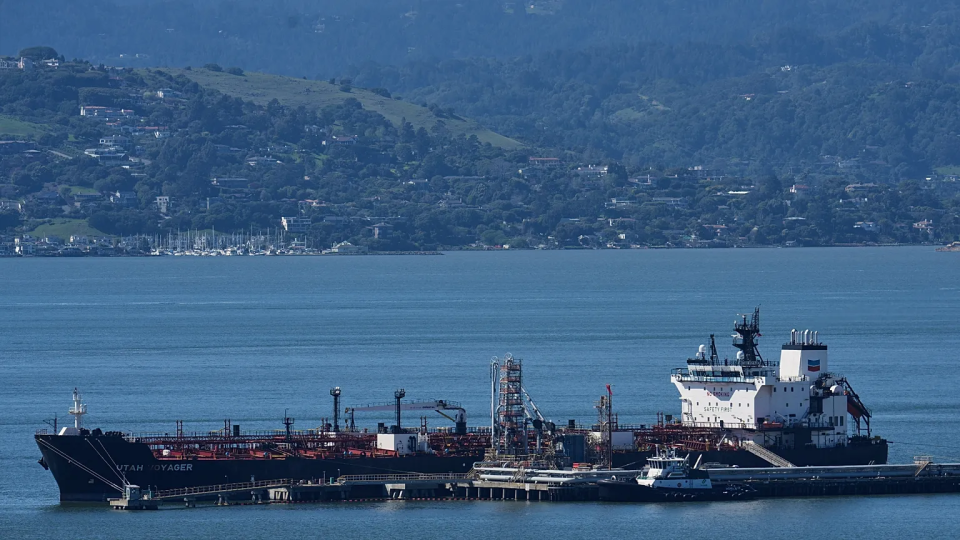
Tankers have come to a near-complete halt as a result. Over 150 vessels anchored outside the strait early on, and traffic dropped 70% before grinding toward zero. Major shipping lines like Maersk and Hapag-Lloyd suspended operations, citing safety risks. Insurance firms pulled coverage for the area as of today, making it too costly for crews to risk the trip. Ports face backups, with Iraq’s Rumaila oil field even pausing output due to full storage tanks. No tankers now broadcast their positions inside the strait, a sign of how empty the waters have become.
Iran stepped up the pressure with a claimed missile strike on an oil tanker in the Persian Gulf, as reported by state media. The Revolutionary Guard said it hit what they called an American tanker, though a British Navy update described a large explosion near a tanker at anchor in Iraqi waters. The ship’s master saw a small vessel speed away, but the crew stayed safe with no fire damage. Iran had already ordered the straits closure earlier in the week and repeated threats against passing tankers. These moves fit a pattern of using drones and fast boats to target shipping without a full naval blockade.
Few if any oil tankers now get through the Strait of Hormuz. Those that might try face IRGC patrols broadcasting warnings over radio, drone surveillance, and the risk of attack from small armed boats. Ship owners choose to wait rather than test the waters, stranding oil on the Gulf side. Some reports note no formal blockade exists, but the threats and recent incidents make passage impossible in practice. Rerouting around the strait adds thousands of miles and weeks to voyages, hiking costs further.
The wars continuing impact shows up clearest in oil prices. West Texas Intermediate nearing $80 marks a sharp response to fears of prolonged shortages. Brent crude, the global benchmark, surged as well amid worries that prices could hit $100 if the strait stays choked. Businesses feel this through higher fuel costs at every step, from trucking goods to flying passengers. Refineries scramble for alternatives, but stockpiles in places like Singapore and Malaysia offer only short-term relief. Asia’s energy importers, especially China which takes 35% of Gulf oil, brace for the hardest hit.
Energy markets always hang on supply nerves, and Hormuz proves why. A single chokepoint holds so much power over daily commerce. With tankers backed up and prices climbing, companies worldwide adjust budgets and hunt for hedges. The conflict shows no quick end, leaving oil flows in limbo and business plans up in the air.
