
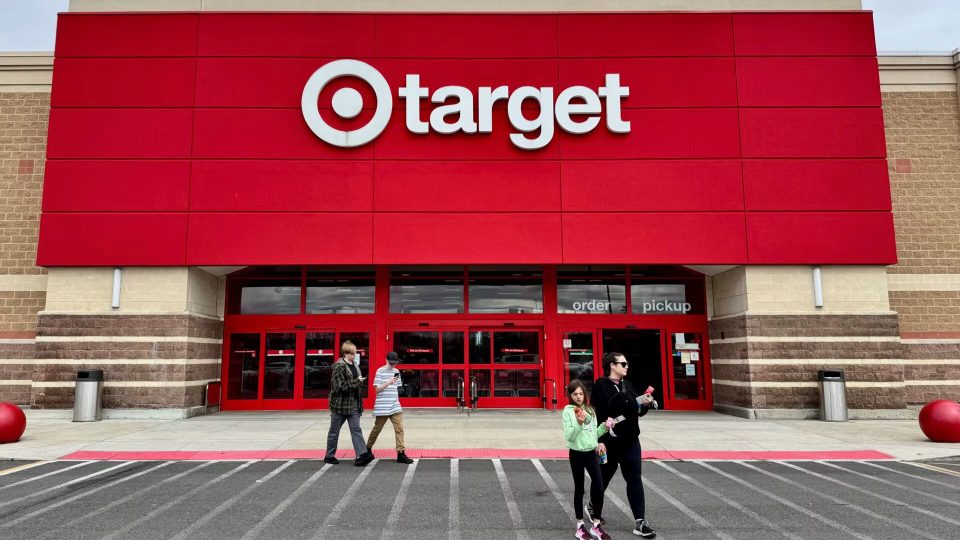
Target Corporation (NYSE: TGT) stands out these days. While many brick-and-mortar retailers shut down locations to cut costs, this Minneapolis company just laid out plans to add 300 new stores by 2035. That move comes right as it hits a big mark with its 2,000th store opening later this month in Fuquay-Varina, North Carolina. The company expects to launch more than 30 new spots in 2026 alone, part of a steady build over the next decade.finance.
Think about the landscape right now. Retailers face pressure from online shopping and thin margins, so chains often close underperforming stores to focus on e-commerce or slim down operations. Target takes a different path. It sees value in keeping a strong physical presence that works hand in hand with its digital side. For instance, services like same-day pickup and delivery make up about two-thirds of its online sales, all tied to those local stores. This blend keeps customers coming back, whether they shop in person or through an app.
Leaders at Target point to clear lessons from guests. People want convenient access to trendy items at good prices, and a nearby store delivers that better than shipping alone. The company plans to back this growth with around $5 billion in capital spending for 2026. That cash goes toward new builds, more than 130 full remodels, tech upgrades, and supply chain tweaks. On top of that, an extra $1 billion in operating funds will refresh store layouts, boost staff training, and roll out tools like AI for smoother shopping. CEO Michael Fiddelke calls it a “new chapter” based on what works for their crowd: style, value, and easy experiences.corporate.
What sets Target apart from peers? Many competitors trim stores to survive economic squeezes or shifts to pure online models. Walmart (NYSE: WMT) and Kohl’s Corporation (NYSE: KSS) have closed dozens of locations in recent years to rethink their mix. Macy’s (NYSE: M) keeps shrinking its footprint too, down to under 500 stores from over 700 a decade ago. Target flips the script. It argues that modern stores with open designs, bigger food sections, and quick fulfillment draw steady traffic. The new Fuquay-Varina spot, for example, features a food area 30% larger than average, plus 24 Drive Up lanes for contactless pickup.
This strategy builds on recent tests. Target opened a handful of forward-looking prototypes last year, blending retail with services that speed up daily routines. Guests respond well when stores feel fresh and tech-savvy. By 2026, seven new ones launch in March alone, from California to Texas. Next-day delivery expands to 20 more metro areas too, covering 60% of the U.S. population. Such steps show confidence in physical retail’s role, even as e-commerce grows.
Target draws from its own playbook here. After sales dips in prior years, it doubled down on what clicks: curated products, friendly service, and seamless options across channels. Remodels update aisles for better flow, while added payroll means more staff on the floor. Technology ties it together, from personalized recommendations to faster checkouts. Peers often chase cost cuts first, but Target invests upfront for loyalty. That approach paid off before, and now it scales up.
The proof lies in execution. As closures hit other chains, Target’s network grows to serve more neighborhoods directly. Stores become hubs for quick needs, pulling in families who value time as much as deals. This focus on real-world convenience, paired with digital smarts, explains the divergence. Target meets people where they live and shop, turning potential weakness into strength. Retail evolves, but locations still matter for brands like this. Target’s path forward rests on that truth, with fresh builds and upgrades leading the way.
