
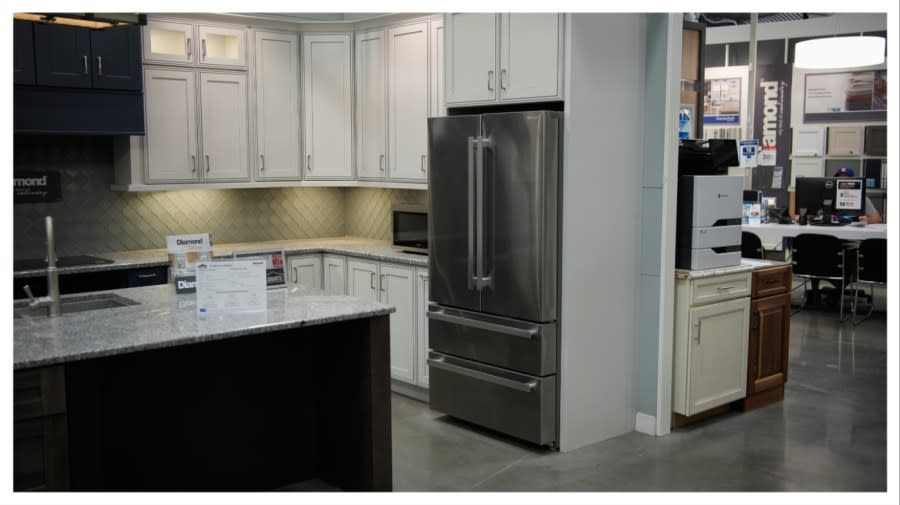
Hours before the close of 2025, President Donald J. Trump signed a proclamation delaying new tariff increases on upholstered furniture, kitchen cabinets, and vanities. The decision means that existing import tariffs on these household products will remain in place at 25% for at least another year, with no additional rate hikes until January 1, 2027. This action came just as the higher duties were due to take effect on January 1, 2026.
The White House explained the postponement as a step to allow more time for productive negotiations with trade partners on issues like trade reciprocity and national security concerns related to wood product imports. The proclamation specifically notes that the U.S. continues to engage in talks to address these matters before escalating costs further. It frames the delay as a measured adjustment to support ongoing diplomacy while keeping the current 25% tariff level intact from the September 2025 order.
Back in September 2025, Trump had directed 25% tariffs on these items under Section 232 of the Trade Expansion Act, citing threats to national security from overreliance on foreign timber, lumber, and derivative products like furniture components. Those initial tariffs took effect in October, with planned escalations to 50% for kitchen cabinets and vanities and 30% for upholstered furniture set for the new year. The recent order halts that progression, providing stability for importers and manufacturers reliant on these goods.
The current 25% rate applies to certain upholstered wooden products, kitchen cabinets, and vanities imported into the U.S., primarily from countries like China and Vietnam. This level stems from the administration’s push to protect domestic wood industries amid foreign subsidies and unfair practices that have hurt American competitiveness. While the delay offers breathing room, the underlying tariffs still add costs that ripple through retail pricing and supply chains.
Businesses in the home furnishings sector have faced ongoing uncertainty from these policy shifts, compounded by a sluggish U.S. housing market and inflation pressures. Reports indicate that earlier tariffs contributed to higher prices for consumers and challenges for retailers, with some shifting sourcing strategies to mitigate impacts. The one-year extension maintains predictability, allowing time for domestic producers to build capacity without immediate escalation.
This move fits into the Trump administration’s pattern of using tariffs to reshape trade relationships, building on actions for steel, aluminum, and other sectors. The White House has signaled that reviews will continue, with potential for further adjustments based on negotiation outcomes. For now, the decision underscores a balance between enforcement and practical timing in trade policy.
The existing tariffs at 25% will shape business planning through 2026, giving the furniture and cabinetry trade a clear near-term path amid persistent global tensions.
