
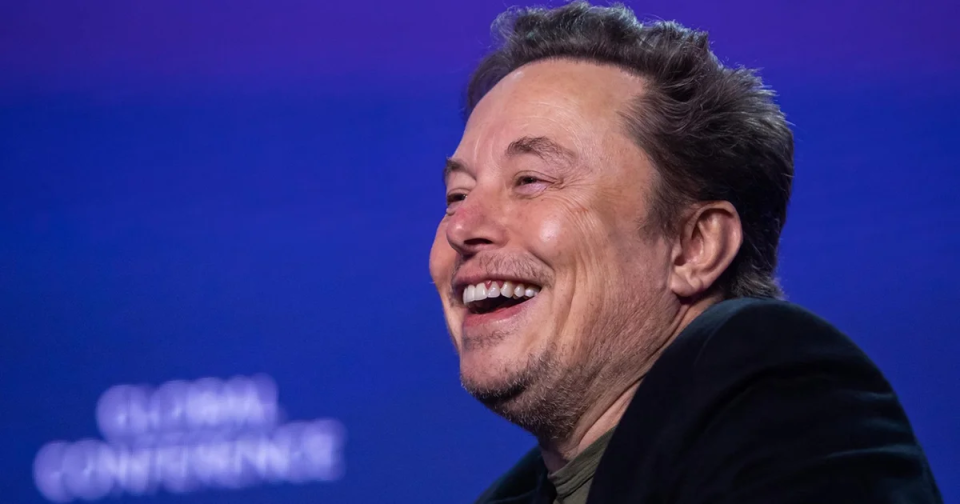
Tesla Inc. (NASDAQ: TSLA) CEO Elon Musk is once again at the center of a heated debate over his proposed compensation plan, which could reach an unprecedented $1 trillion if approved by shareholders. The package, designed as an extension of Musk’s previous equity awards, will be put to a vote at the upcoming shareholder meeting scheduled for November 6th. Despite the board’s strong backing, significant opposition is emerging from institutional investors and proxy advisory firms, setting the stage for a contentious decision.
Musk’s 2025 compensation proposal builds on the framework of his 2018 pay package, which was notable for its innovative structure tying pay strictly to performance milestones. The earlier award, which aimed to grow Tesla’s market value by $600 billion, ultimately faced legal challenges and was rescinded by a Delaware Chancery Court due to shareholders not being fully informed at the time of the grant. Learning from that experience, Tesla’s board structured the new plan with even more ambitious targets, pushing the company’s market capitalization target from about $1 trillion at the time of the grant to a staggering $8.5 trillion. The plan is broken down into 12 tranches of restricted stock, each tied to the achievement of specific market cap and operational goals. The plan also includes provisions requiring Musk to remain employed with Tesla for up to a decade before shares fully vest.
The opposition primarily arises from influential proxy advisory firms like Institutional Shareholder Services (ISS), large institutional investors, and labor unions. ISS, which advises many shareholders on how to vote, has voiced concern that this package grants Musk “extraordinarily high pay opportunities” with limited flexibility for Tesla’s board to adjust compensation in the future. The firm stresses the challenges of justifying such a record-breaking payout and the risks posed by the concentration of voting power that could reach 25% if Musk achieves all milestones.
Labor groups also protest the sheer scale of the compensation, arguing that the payout is disproportionate compared to the broader workforce’s pay levels. They view the plan as a symbol of growing inequality in corporate America, especially as worker wages and conditions are subjects of intense public scrutiny.
Tesla’s board, led by Chair Robyn Denholm, has mounted a robust defense of the plan. Denholm has publicly urged shareholders to approve the package, warning that failure to do so may jeopardize Tesla’s future if Musk opts to resign. The board highlights Musk’s pivotal role in advancing Tesla’s position in electric vehicles, artificial intelligence, and robotics, emphasizing the importance of aligning his incentives with long-term company performance. The CEO’s pay is entirely performance-based, with no guaranteed salary or bonuses, which the board argues aligns Musk’s interests closely with those of shareholders.
Yet even within Tesla’s governance circle, there is caution. Denholm has acknowledged that it remains uncertain whether the compensation plan will win shareholder approval. The board is aware that while Musk’s leadership has been transformative, the scale of this pay package has propelled stark divisions among investors.
Musk himself has weighed in, warning shareholders that declining the pay plan could lead to his departure. Such a move would be catastrophic given his outsized influence on Tesla’s strategic direction. The CEO’s appeal frames the plan as critical not just for Tesla’s growth ambitions but also for securing his long-term commitment to the company amid growing competitive pressures and technological challenges.
Despite the backlash, some analysts argue that the package could still deliver value to shareholders if Tesla meets even some of the high performance thresholds. The plan’s design allows for partial payouts if milestones are partially met and Tesla’s stock performs well. However, the potential dilution from such a large equity grant is a concern for existing investors, who would see their voting power and shareholding percentages affected, possibly permanently.
The outcome of the shareholder vote will be a critical moment for Tesla and its governance narrative. It may set a precedent not only in CEO compensation practices but also in balancing visionary leadership incentives with shareholder accountability in an era of soaring executive pay packages.
Shareholders will have the final say on whether Elon Musk’s compensation plan passes. The vote could reveal how much confidence investors truly have in Musk’s ability to deliver on these extraordinarily high ambitions while navigating the complexities of Tesla’s evolving business and industry landscape.
