
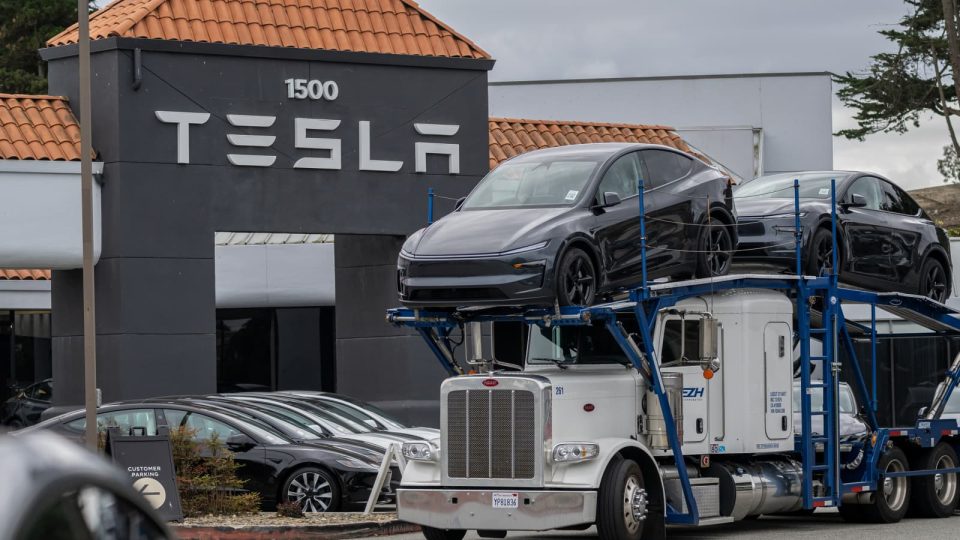
In the first three months of 2026, Tesla built 408,386 vehicles across its factories. It delivered 358,023 to buyers worldwide, missing analyst forecasts that averaged 365,645 according to the company’s own tally from late March. Production outpaced deliveries by roughly 50,000 units, creating some inventory buildup.
Model 3 sedans and Model Y crossovers dominated, totaling 341,893 units or nearly all output. These workhorses have defined Tesla’s volume for years, representing 97% of 2025 deliveries when full year sales dipped to 1.64 million from 1.79 million in 2024. The angular Cybertruck contributed with about 38,500 deliveries as ramps continue from its 2023 debut. Plans call for scaling the all-electric Semi truck this year, promising 500 miles per charge.
A notable update came in January when Tesla halted Model S and Model X assembly. The Fremont plant lines switched to Optimus robot production, part of CEO Elon Musk’s push toward AI and autonomy like the Cybercab. Musk shared on X that S and X orders ended, with leftover inventory, and teased a farewell event for the models he admires. Vehicle sales remain revenue king, but diversification looms large.
This lineup captures Tesla’s vehicle range, from everyday models to emerging trucks.
Tesla deployed 8.8 gigawatt-hours of storage in Q1, products like Powerwall for residences and Megapack for grids and data centers. That trailed the record 14.2 GWh from Q4 2025 but underscores steady demand for battery backups amid rising power needs.
Global events added a twist. U.S. and Israeli strikes on Iran in late February sparked reprisals targeting Strait of Hormuz shipping, driving oil prices up sharply. Fuel costs soared, boosting used EV sales as alternatives to gas. This offset headwinds like the September 2025 end of the $7,500 U.S. EV tax credit and fiercer competition. Deliveries beat Q1 2025’s 336,681 by 6%, a recovery sign. Musk’s political stances drew backlash, but oil dynamics countered it. EVs now rival 70% of Iran’s oil export volumes globally.
Tesla shares slid 15% in the quarter, echoing prior year patterns before later gains. Earnings on April 22 will dive into margins and chains.
Higher oil from Hormuz keeps EVs appealing, aiding Tesla’s rebound efforts. With robots energizing factories and storage expanding, the company eyes growth beyond cars alone. Q1 paints a picture of adaptation in turbulent times.
