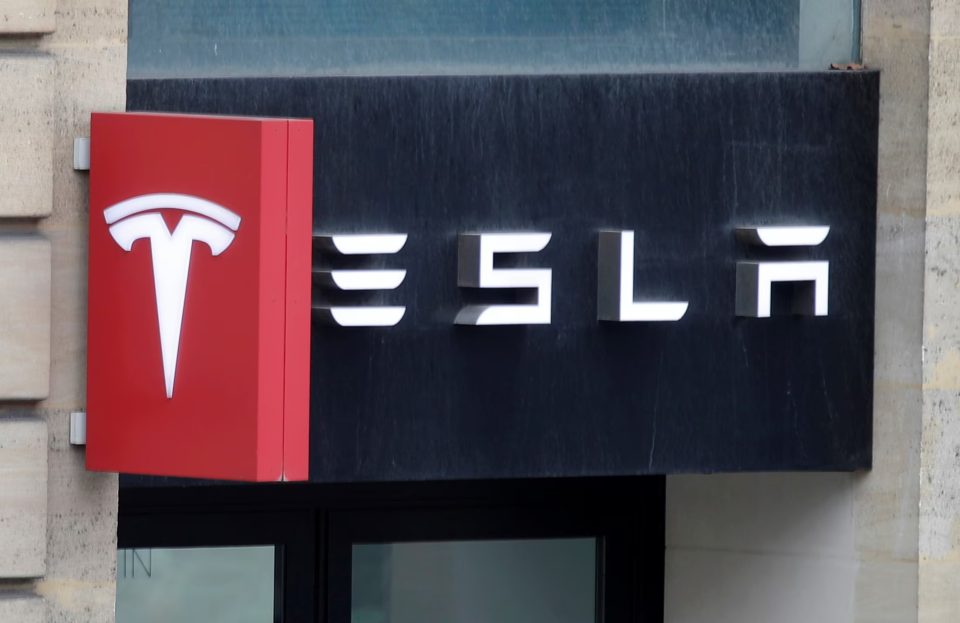
Tesla faces fresh scrutiny as a federal judge in San Francisco has given the go-ahead for a class action suit from Tesla owners, allowing them to challenge claims about the self-driving capabilities of their electric vehicles. This legal development, announced on yesterday, targets the company’s statements going as far back as 2016. Tesla (Nasdaq: TSLA) and CEO Elon Musk are now in the spotlight over promises made about their autonomous technology, a narrative that’s been as much a part of Tesla’s identity as its cars themselves.
For years, Musk has vocalized ambitious targets for full self-driving (FSD), saying time and again that the technology would be ready soon. The judge’s decision could force a closer look at whether Tesla pressed the boundary between optimism and exaggeration, both in marketing and Musk’s often theatrical pronouncements. It’s not the first time Tesla has faced pushback. Regulators have occasionally warned the company about overstatement, but this class action marks the first time a group of consumers is officially allowed to try and demonstrate harm caused by these claims.
The timing of this lawsuit comes when Tesla is grappling with slowing demand for electric vehicles. The enthusiasm that buoyed sales in previous years has cooled, as more competitors enter the market with lower-priced alternatives that consumers increasingly find “good enough.” This shift is putting pressure on Tesla’s margins, making the company’s bet on leading in artificial intelligence and self-driving technology even more significant for its brand and future growth.
Elon Musk remains one of the most influential figures in tech and business globally, with his leadership of Tesla shaping much of the conversation about the future of cars. Recently, Musk has put significant emphasis on repositioning Tesla as not just an EV company but one at the vanguard of autonomous driving and AI. This lawsuit brings the challenge of backing up that vision with reality. While Tesla’s FSD beta has rolled out new features over the years, many experts argue it’s still far from delivering a car that truly operates on its own without any driver intervention.
The credibility of Musk and Tesla’s AI ambitions could hinge on how this lawsuit plays out. Musk is notorious for setting audacious goals and timelines, sometimes moving markets, other times missing deadlines. If Tesla is found to have oversold its technology, not only could there be financial repercussions in the form of damages awarded to plaintiffs, but consumer trust in future Tesla innovations could be undermined. At a time when automakers across the board are hustling to claim their stake in an increasingly software-driven business, perceptions matter as much as product.
What is perhaps most interesting about this development is that it aligns with a broader skepticism around transformative tech claims. Investors are well aware that, in previous cycles, optimism about AI and autonomy has often outpaced actual delivery. Now, with official court approval for owners to band together and take Tesla to task, the outcome could serve as a bellwether for how the public and regulators treat promises made by tech giants. This isn’t just a Tesla story, it’s a moment that could shape accountability standards in the automotive and tech sectors for years to come.
For Tesla, there’s more than legal exposure at stake. The narrative of innovation has been central to its high-flying valuation. If courts rule that expectations were inflated, there may be ripple effects for other products and future launches. Already, investors have taken notice. Tesla shares have been volatile in recent months as the company’s sales growth faltered and regulatory scrutiny intensified. This lawsuit adds another layer of uncertainty, though it’s also an opportunity for Tesla to clarify its position and reconnect with customers who feel misled.
In short, the judge’s ruling opens the door for a public reckoning with Tesla’s self-driving ambitions, a reminder that tech optimism can, and should, face checks from both the law and those who buy in. As the case unfolds, both Wall Street and Main Street will be watching closely to see if the company that helped make electric cars cool can deliver on the bold vision that Elon Musk has promised, or if the road to autonomy is longer than fans and investors hoped.
