
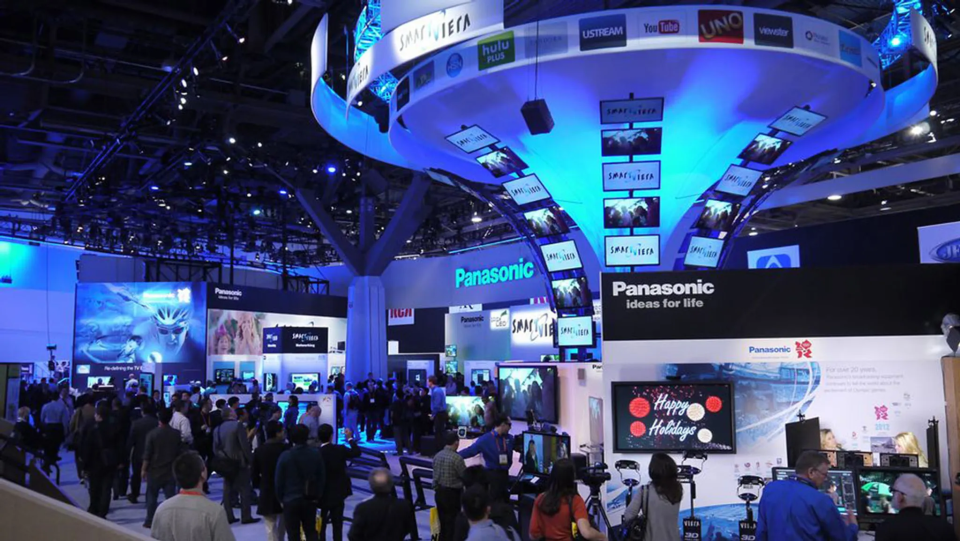
Every January, business travelers, researchers, and technology enthusiasts gather in Las Vegas for one of the most influential events in the world: the Consumer Electronics Show, commonly known as CES. The 2026 edition runs from January 7th to 10th, filling convention halls and meeting rooms across the city with more than 3,500 exhibitors and tens of thousands of visitors from around the globe. For many companies, CES represents the first major stage of the year to unveil products, share visions, and connect with partners who might help turn prototypes into global trends.
Unlike niche industry gatherings, CES is designed to bridge almost every corner of the technology economy, from household devices to enterprise-grade infrastructure. Its roots go back to 1967, when fewer than 200 exhibitors showed off radios and televisions. Today, that same spirit of invention fuels a showcase of artificial intelligence, robotics, sustainable energy systems, and next-generation computing. Walk through any exhibition hall and you can move between electric vehicles, digital health platforms, and home assistants that respond more naturally than ever before.
Artificial intelligence dominates much of the conversation this year. CES 2026 hosts discussions about how generative and embedded AI tools are reshaping creative work, healthcare, and data management. Many sessions explore the tension between innovation and public trust, especially as companies integrate AI into consumer devices like speakers and smartphones. Visitors encounter not only flashy demonstrations but also serious talks about regulation, ethics, and data transparency. These exchanges often influence how policymakers and corporations approach technology governance throughout the year.
Automotive technology now occupies a prominent place at CES, rivaling traditional car shows in impact. Automakers and startups alike are displaying vehicles that merge connectivity, automation, and sustainability. Electric mobility continues to expand, with new battery chemistries and charging systems on display alongside concept cars that blur the line between entertainment systems and transportation platforms. Inside these vehicles, digital dashboards illustrate a convergence between consumer tech and automotive design that defines how people may experience mobility in the near future.
Digital health is another major pillar of this year’s event. From wearable monitors that measure blood sugar without a needle to sensors that track sleep and mental wellbeing, companies are focusing on practical tools designed for everyday life. Hospitals and healthcare providers also use CES to scout technologies that might improve patient outcomes or reduce administrative burdens. The emphasis on accessibility and affordability signals a maturing market in which health technology is becoming integrated into ordinary routines rather than reserved for specialists.
Beyond the product showcases, CES is a massive networking hub. Investors, startups, and industry executives meet in planned sessions and spontaneous hallway conversations that often lead to acquisitions, partnerships, or long-term collaborations. For small innovators, participating in CES can open doors that might otherwise remain closed. The event’s global media attention helps even early-stage companies find audiences and attract funding interest, shaping product lifecycles before they reach the consumer shelf.
What makes CES especially valuable for business professionals is not only the product announcements, but also the chance to read long-term signals about where markets are heading. From AI to sustainability, each year reveals early hints of the technologies that may enter mainstream conversations months later. The practical takeaway for anyone following CES is that innovation does not just belong to engineers; it influences investment choices, supply chains, and regulatory frameworks across the entire economy.
Looking ahead, what happens in Las Vegas this week will ripple far beyond the Strip. The technologies revealed here will guide discussions in boardrooms, research labs, and policy hearings throughout 2026. CES continues to serve as a collective imagination exercise for the global economy, offering a snapshot of where creativity, commerce, and curiosity intersect. For anyone trying to understand the next phase of digital transformation, it remains one of the most insightful places to look.
