
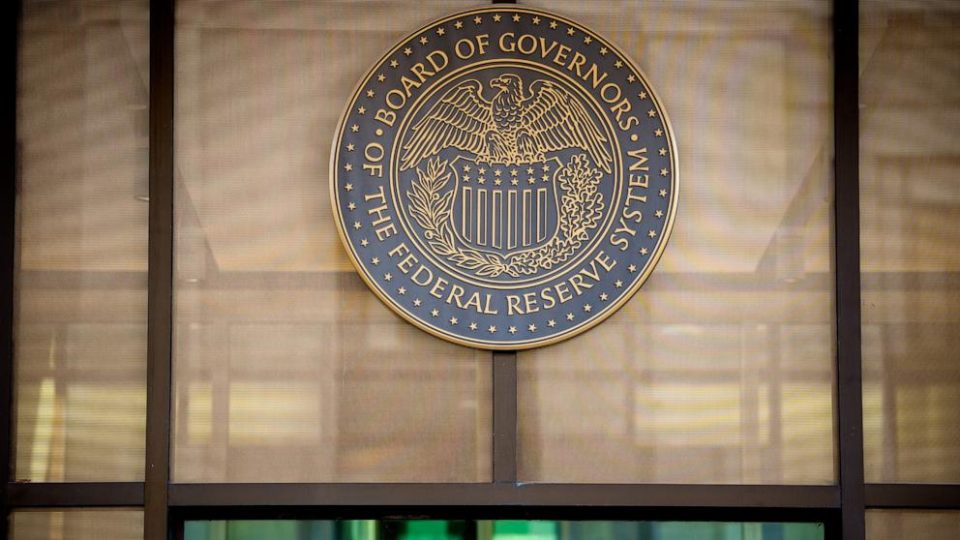
The Federal Reserve took another measured step yesterday with its third interest rate cut of the year. This quarter percentage point reduction brought the federal funds rate to a range of 3.5% to 3.75%, the lowest level since 2022. Officials made clear that future moves will hinge strictly on incoming economic data, a stance that underscores their commitment to both maximum employment and the 2% inflation target.
Back in 2022, the Fed launched an aggressive tightening campaign to combat inflation that had surged after the pandemic. Rates climbed rapidly from near zero to over 5% by mid 2023 as the central bank sought to cool demand and bring prices under control. That phase marked a sharp reversal from years of accommodative policy, with eleven hikes in just sixteen months. By early 2025, however, signs of softening labor markets and easing inflation prompted a pivot. September and October brought the first two cuts of 0.25% each, setting the stage for yesterday’s action. This progression reflects a gradual shift rather than a rush to loosen, as officials weigh persistent price pressures against emerging employment risks.
The Federal Open Market Committee voted 9 to 3 to lower rates, a split not seen since 2019. Dissenters, including Kansas City Fed President Jeff Schmid and Chicago Fed President Austan Goolsbee, preferred to hold steady, citing concerns over inflation still running about 1% above target. In the official statement, the committee noted it would “carefully assess incoming data, the evolving outlook, and the balance of risks” before considering further adjustments. Chair Jerome Powell echoed this during his press conference, describing the economy as facing “significant downside risks” in labor markets alongside tariff induced inflationary forces. Core inflation, as measured by the Personal Consumption Expenditures index, stood at 2.8% for September, with fresher data delayed by a government shutdown.
Divisions run deeper than the vote suggests. Of nineteen participants in the latest projections, seven see no cuts needed in 2026, while views range from zero to as many as six additional reductions. This scatter reflects uncertainty over unemployment, now at 4.4%, and GDP growth forecasts upgraded to 2.3% for next year. President Trump has publicly urged deeper cuts to spur borrowing and growth, yet Fed officials resist absent clear data support. Powell emphasized independence, noting the committee remains “strongly committed” to its dual mandate despite external pressures. Such tensions complicate alignment but reinforce the data driven approach that has defined recent policy.
Recent indicators paint a mixed picture. Job gains have slowed this year, with unemployment edging higher, while economic activity expands at a moderate pace. Forecasts now show inflation dipping to 2.25% by end 2026, down from prior estimates, alongside a slight unemployment drop to 4.4%. The Fed also plans to resume Treasury purchases at $40 billion weekly starting soon, aiming to bolster bank reserves amid funding strains. These steps signal readiness to support liquidity without aggressive rate easing. Upcoming November jobs data and inflation readings will carry extra weight, as officials await timely information post shutdown.
Officials project just one more cut in 2026, a more restrained path than earlier this year. This outlook tempers expectations amid debates over tariffs, immigration shifts, and fiscal cuts. Businesses and households should prepare for a period of steady but not rapid easing, with policy attuned to evolving risks.
