
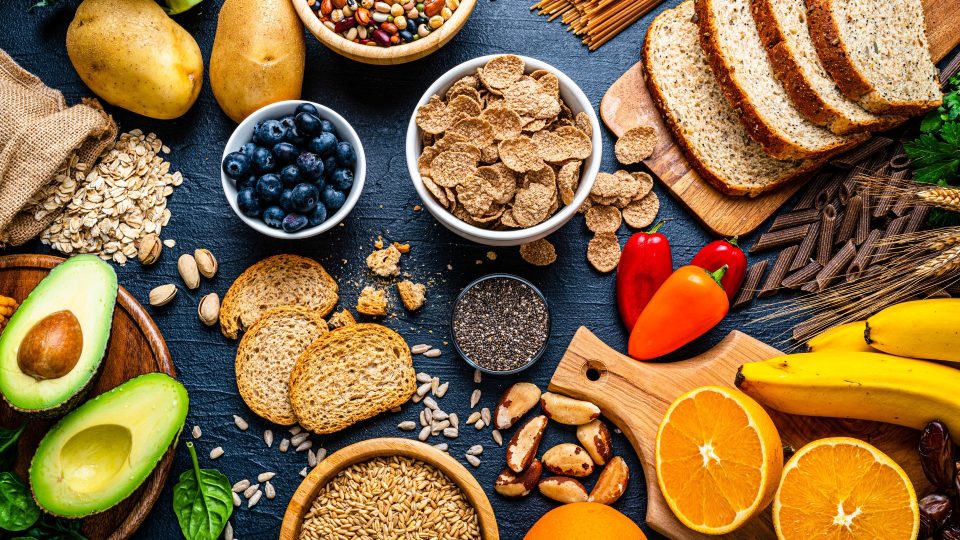
Fiber matters more these days as people pay closer attention to what keeps their digestion running smoothly. You have probably noticed it popping up in conversations or feeds, where the idea of loading up on fiber from real foods like beans, oats, and berries gains traction. This shift comes from a simple realization: many folks fall short on the 25 to 30 grams recommended daily, often getting just half that amount.
Social media plays a big part in making fiber a topic people discuss openly. Terms like “fibermaxxing” capture the push to eat more fiber through whole foods rather than relying solely on pills or powders. Thousands of posts show recipes blending chickpeas into smoothies or oats into overnight bowls, turning what used to feel like a chore into something approachable. This online buzz reflects broader changes, as consumers link better gut health to steady energy, fewer digestive issues, and even mood stability.
Established players in food and supplements see opportunity here and adjust their lines accordingly. General Mills, Inc. (NYSE: GIS) leads with products like Cheerios, which pack soluble fiber from oats to help lower cholesterol over time. The company reports steady sales growth in high-fiber cereals, as shoppers seek breakfast options that fit this trend without much effort. PepsiCo, Inc. (NASDAQ: PEP), through its Quaker brand, pushes oatmeal packets and bars loaded with beta-glucan fiber, appealing to busy mornings.
Newer entrants bring fresh angles too. Olipop is a soda maker that crafts low-sugar drinks with prebiotic fibers from chicory root and cassava, mimicking the fizz of traditional colas while adding 9 grams per can. Good Culture elevates cottage cheese with added fiber blends to hit 6 grams per serving, targeting snackers who want protein and gut support in one go. These brands thrive by making fiber feel fun and familiar, not medicinal.
Numbers show real movement in this space. The U.S. fiber supplements market hit about $4.4 billion in 2024 and heads toward $5.7 billion by 2030, growing at 4.6% yearly, driven by demand for powders and tablets that fit into routines. Broader dietary fiber sales, including fortified foods, point to $9.6 billion globally in 2025, with North America leading due to health awareness and plant-based shifts. Companies innovate by weaving fibers into snacks, yogurts, and even meat alternatives, as research from firms like Euromonitor highlights rising gut health priorities among millennials and Gen Z.
Kellogg Company fortifies its Special K and Fiber One bars with inulin and psyllium, capturing those aiming for 5 grams or more per piece. Meanwhile, private labels from retailers like Walmart expand affordable options, blending fibers into granolas and gummies. This mix keeps the trend accessible across price points.
Food giants invest in research to source fibers from peas, flax, and algae, creating clean-label products free of artificial additives. Bloomberg notes how CPG firms allocate budgets to gut microbiome studies, linking fiber intake to reduced inflammation and better immunity. McKinsey reports point to a 9% yearly jump in functional food sales, as brands partner with influencers to demo fiber-rich meals on platforms like TikTok. Supply chains adapt too, with U.S. farms ramping up lentil and chia production to meet demand.
Challenges persist, like taste barriers with some fibers causing bloating if ramped up too fast. Smart companies counter this by starting low and pairing with flavors like vanilla or chocolate. The result shows in shelf space: fiber calls out on more packaging, from energy bars to plant milks.
Consumer habits evolve as trials convince skeptics. Once people feel the regularity and lightness from consistent intake, loyalty follows. Brands that nail convenience, like single-serve pouches or ready-to-mix shakes, build repeat business. This trend reshapes aisles, blending old staples with next-gen twists for lasting gut focus.
