
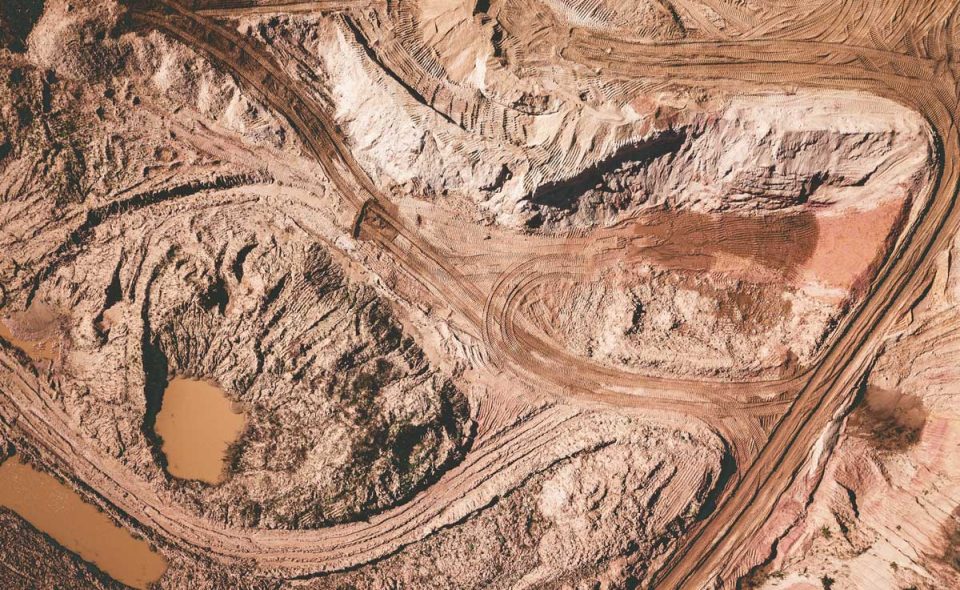
The Group of Seven, commonly known as the G7, is an alliance of advanced economies that includes the United States, Canada, Japan, Germany, France, the United Kingdom, and Italy. These nations will gather in Washington on 12 January to address one of the least discussed yet most consequential issues in modern trade: the global supply and control of rare earth elements. These minerals, which include neodymium, dysprosium, and lanthanum, play a crucial role in manufacturing everything from electric vehicles to advanced defense systems. Their availability shapes economic competitiveness, industrial policy, and even national security.
For decades, China has maintained a near-total hold on rare earth processing. Although other nations extract the raw materials, more than 70% of global refining takes place within Chinese borders. This dominance allows Beijing to influence export prices and supply decisions, a fact that has long unsettled Western policymakers. As the global economy shifts toward clean technology and digital infrastructure, the stakes have grown even higher.
The upcoming G7 meeting will focus on establishing shared frameworks to fund exploration, develop refining capacity, and coordinate research into alternative materials. Officials familiar with the agenda have suggested that the talks will also consider creating a resource-sharing mechanism, enabling member countries to stabilize supplies in the event of disruption. While previous discussions have been largely technical, this gathering carries a stronger sense of urgency.
Japan’s experience offers a cautionary tale. When diplomatic tensions with China flared in 2010, temporary export restrictions on rare earths sent shockwaves through global supply chains. That episode sparked Tokyo’s decision to invest heavily in overseas mining projects, particularly in Australia and Vietnam. The result was a gradual but limited diversification, which many in the G7 now see as a model, albeit one that took more than a decade to yield results.
The United States, Canada, and the European Union have all announced new funding for rare earth initiatives. Washington, through the U.S. Department of Energy, recently expanded its Critical Materials Strategy, which promotes domestic refining and recycling. Ottawa, meanwhile, has targeted northern mining regions for accelerated exploration support, while European governments are considering subsidies for magnet production to reduce industrial vulnerability. These moves align with the G7’s broader goal: to build a resilient network of partners that can compete in an area where China’s technological experience remains unmatched.
There are economic implications as well. Diversifying supply chains involves significant upfront costs, from developing new mines to building refining facilities that meet environmental standards. Analysts caution that this process will not be completed overnight. Investment has increased, but demand from electric vehicle manufacturers and renewable infrastructure projects continues to grow faster than supply. As one policy expert noted, the challenge is not just finding rare earths but processing them efficiently and cleanly.
The meeting in Washington marks an inflection point. It signals the G7’s recognition that critical minerals are as important to future security as oil was to the 20th century. If these discussions lead to joint financing programs or coordinated supply agreements, they could reshape how nations approach industrial cooperation. Yet even shared intent must reckon with commercial realities. China’s established infrastructure gives it a formidable cost advantage, and emerging producers often depend on Chinese technology for refining. In practice, breaking this dependency will require sustained political will and financial commitment over many years.
While the public may overlook the technical details of magnet materials or ore separation, the decisions made at this finance ministers’ meeting could influence global manufacturing and energy strategies for decades. Policy coordination among the G7 members will not eliminate competition, but it may signal a collective step toward greater independence in one of the world’s quietest yet most strategic industries.
