
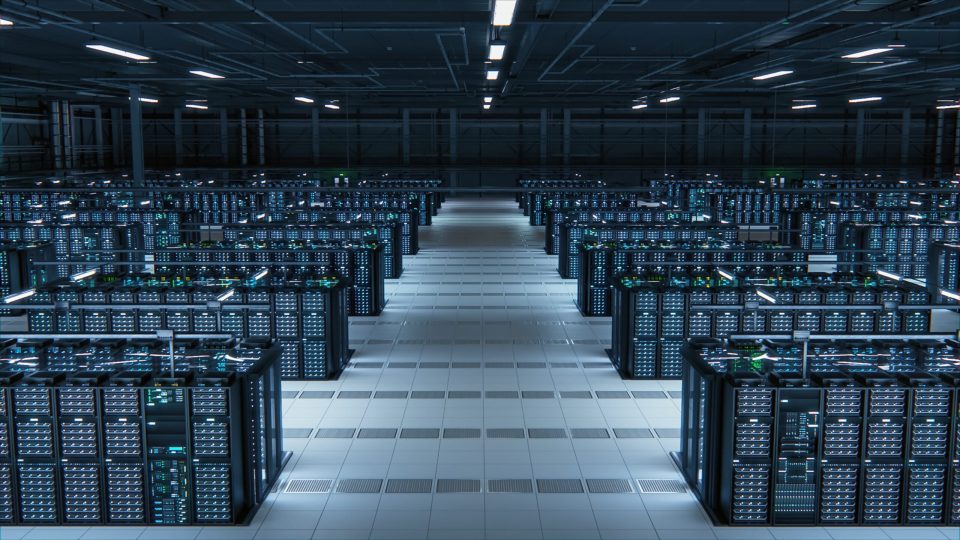
Data centers have become one of the most energy hungry parts of the technology world. As artificial intelligence spreads into everyday products, the facilities that run those systems need far more electricity than many older buildings were ever designed to use. That pressure is forcing companies to think less about convenience and more about certainty, because an AI model cannot wait for a utility upgrade that may take years.
The recent talks involving Microsoft Corporation (NASDAQ: MSFT), Chevron Corporation (NYSE: CVX), and Engine No. 1 are a useful example of that shift. Reuters reported that the three parties entered into an exclusivity agreement for power generation and supply, while Bloomberg said the deal could support a natural gas fired power plant in West Texas with a projected cost of about $7 billion and an initial output of 2,500 megawatts.
What stands out is not only the size of the project, but the logic behind it. Instead of depending entirely on the grid, developers are looking at power as something that can be built alongside the data center itself. That approach can help reduce delays, improve reliability, and give operators more control over the fuel and technology choices behind the facility.
Natural gas has become a common part of that conversation. It is available in the U.S., it can be deployed faster than many alternatives, and it can provide steady output for heavy computing loads. Reuters reported last year that Chevron had already been advancing plans to develop U.S. data centers with power generation, including sites that would rely on natural gas and, in some cases, carbon capture or renewable energy components.
Other companies are pursuing their own versions of the same idea. Meta is reportedly planning several natural gas plants to support a large Louisiana data center, while projects such as GW Ranch in Texas point to a growing appetite for off grid solutions that combine generation with the campus itself. These projects suggest that the market is moving toward a model where electricity is not just purchased, but designed into the facility from the start.
There is also no single answer to the power problem. Some operators are pairing gas with carbon capture to limit emissions. Others are building microgrids that mix renewables, batteries, and backup fuel sources so a site can keep running even when the broader grid is stressed. Nuclear power remains part of the longer term discussion too, especially for companies that want around the clock supply without relying entirely on fossil fuels.
The broader lesson is that data center growth is now shaping energy strategy, not just the other way around. The Microsoft Chevron example shows how quickly these arrangements are becoming more inventive, and how willing companies are to build around the limits of the grid rather than wait for it to change. For investors, engineers, and policy makers, that is a sign that data center power is becoming its own major business line.
