
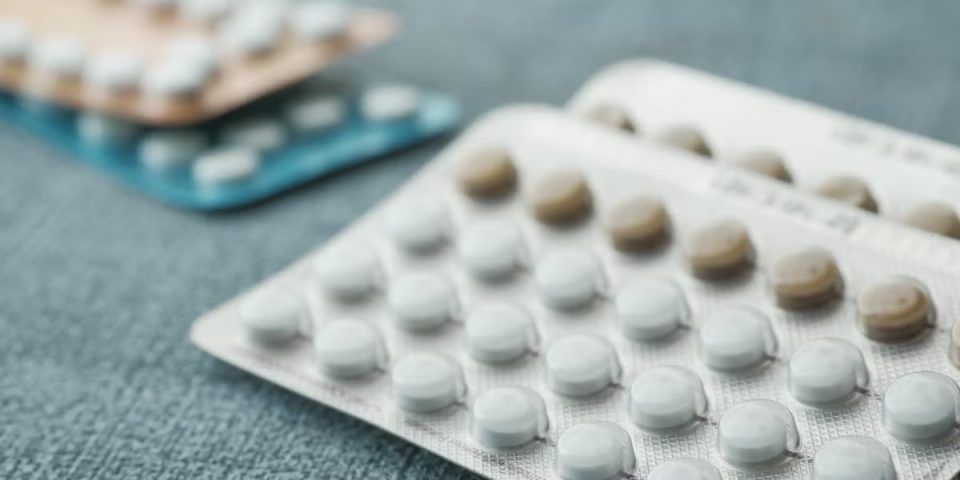
Novo Nordisk A/S (NYSE: NVO, CSE: NOVO-B) starts selling the first oral GLP-1 drug for weight loss in the U.S. today. This Wegovy pill gives adults with obesity a daily tablet choice alongside diet and exercise. Regulators approved it two weeks ago.
GLP-1 means glucagon-like peptide-1, a hormone your body uses to manage blood sugar and hunger. Medications like semaglutide in Wegovy copy this hormone to slow stomach emptying and tell the brain you feel full. So far these drugs came as weekly shots, helping many shed pounds but turning off others due to needles or past shortages. The pill delivers the same semaglutide, taken daily before eating, 30 minutes ahead of food or other pills.
Think of it like moving from clunky desktop computers to sleek laptops in business: easier access pulls in more everyday users. For weight loss seekers scared of injections, this opens the door wider.
Cash costs sit at $149 monthly for the 1.5 mg starter dose and 4 mg until mid-April 2026, then $199 for 4 mg, with 9 mg and 25 mg doses at $299. That beats injectable Wegovy’s usual $349 without coverage and far undercuts Eli Lilly’s Zepbound near $1,000. With insurance or Novo savings cards, some pay just $25 a month.
You find it at over 70,000 spots like CVS or Costco, or online through Ro, LifeMD, Weight Watchers, GoodRx, and NovoCare. No more waiting for shot supply fixes; this rollout targets quick starts for cash-paying patients first.
Novo Nordisk needed this win. Shares jumped almost 10% on approval buzz after a rough stretch against Eli Lilly’s gains and ongoing shortages. Analysts call it a must-have move in the GLP-1 fight, where Lilly grabbed share with its own shots. Launching first in pills lets Novo reclaim ground in a market eyeing $100 billion by decade’s end.
Lower prices mean more volume over high margins per user, easing fights with insurers who balk at $10,000 yearly injection tabs. Expect patient counts to swell as affordability meets convenience; self-pay folks now join without needles. Lilly watches its own pill options, but Novo’s early strike builds loyalty and data fast.
Surveys back strong interest in oral forms over shots. In diabetes studies using similar GLP-1s, 62% to 81% of patients picked pills when results matched, often ranking delivery method above side effects. One look at over 4,600 people found orals beat injections outright, even daily versus weekly. Endocrinologists report 80% of shot users would switch to daily capsules.
While most data comes from diabetes care, not obesity alone, patterns suggest the same here: needle fears drive choices. Novo banks on this, making entry simple for the hesitant. Fresh obesity-specific surveys may follow, but early signs point to uptake.
Competition sharpens the edge. Eli Lilly pushes Zepbound hard, yet pills sidestep injection drawbacks that slow some conversions. Novo grows market share by tapping underserved groups, turning preference into revenue as volumes rise. Barriers drop, pulling in users who skipped shots, and that scales the business.
