
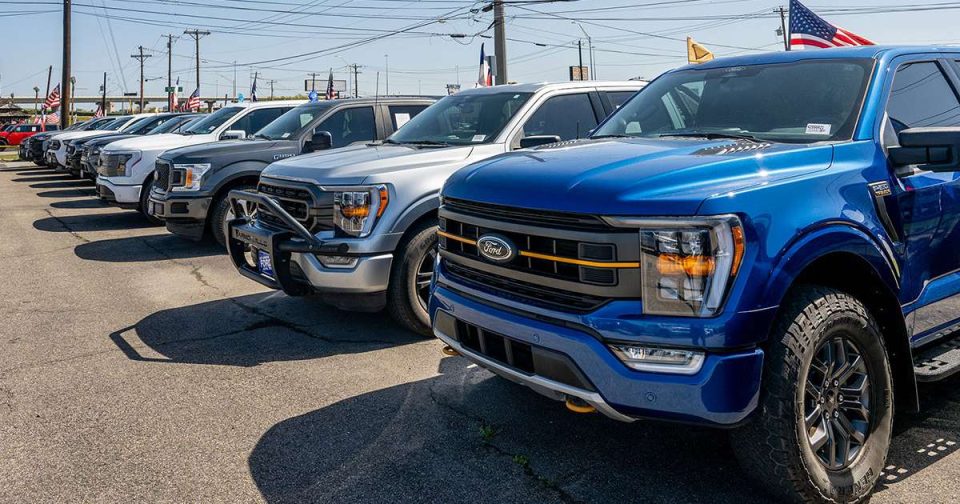
In early October 2025, a significant fire broke out at the Novelis aluminum plant in Oswego, New York, causing a profound disruption not only to Novelis but also to one of its largest customers, the Ford Motor Company (NYSE: F). Novelis, a global leader in rolled aluminum products and a unit of the Hindalco Group, plays a vital role in supplying aluminum used extensively in automotive manufacturing. The New York facility, critical to Ford’s production, sustained major damage, raising immediate concerns about how this interruption would ripple across Ford’s manufacturing operations and the wider automotive supply chain.
Supply chain interruptions like this fire illustrate how deeply interconnected and sensitive modern automotive production truly is. For Ford, the plant supplies aluminum essential to building the body of its highly profitable F-150 pickup trucks. Over the past decade, Ford shifted the F-150 to an aluminum-intensive design to achieve weight and fuel efficiency improvements. This strategic change, while beneficial in normal circumstances, now creates a vulnerability since the company relies heavily on Novelis as a key aluminum source.
The fire forced Ford to reconsider its production plans slated to resume in December 2025. Analyst estimates suggest a possible 20% drop in F-Series production in the final quarter of the year, which could translate to tens of thousands of units impacted. The financial implications are notable, with Ford anticipating up to an $800 million reduction in earnings before interest and taxes for the year due to this supply constraint.
More broadly, this situation highlights several fundamental aspects of supply chain risk within the auto industry. The automotive supply chain is complex and increasingly globalized, but this decentralization does not necessarily mean flexibility. Having a dominant supplier for critical materials can generate efficiency under normal conditions but turns into a single point of failure when disruptions occur. Ford’s reliance on Novelis fits this pattern, showing how concentrated sourcing can pose risks in times of crisis.
In response to the disruption, Ford is actively exploring alternative aluminum suppliers and adjusting its production schedules. Securing sufficient material quantities is complicated by U.S. import tariffs, including a 50% Section 232 duty on semi-fabricated aluminum, intended to protect domestic producers but now posing added cost challenges if overseas sourcing is needed. The automaker’s supply chain resilience is being tested as it balances short-term adjustments with longer-term strategies.
Ford’s responses are part of a broader industry trend where automakers are reassessing supplier networks, reducing dependencies, and diversifying sourcing options. This includes growing investments in domestic manufacturing capabilities, compliance with regional trade agreements like USMCA, and leveraging technology including AI to predict and mitigate supply chain risks before they escalate.
The case of Novelis and Ford also sheds light on how supply chain disruptions no longer affect one company in isolation but trigger cascading effects throughout the industry. Other automakers that source aluminum from Novelis are similarly assessing risk exposures. Meanwhile, suppliers, logistics providers, and downstream customers adjust rapidly to the new reality, reflecting how integrated these systems have become.
While Ford’s immediate challenge is to manage production interruptions and limit financial damage, the incident underscores the importance of supply chain transparency and flexibility. Diversification that spreads risk over multiple suppliers or regions can prevent localized shocks from escalating. Automakers are now increasingly investing in technologies that provide greater visibility and predictive capabilities across supplier networks.
This disruption illustrates a key lesson for the automotive sector: supply chain resilience is no longer optional. It requires ongoing assessment, strategic investment, and adaptive operational planning. For Ford and its peers, the industry’s future will likely involve recalibrating supply chains to be more robust against unexpected events while balancing efficiency and cost competitiveness.
Ford’s ability to mitigate the current aluminum shortage and resume production as planned depends on securing alternative supplies and adjusting manufacturing processes. The rebuilding timeline for Novelis’s Oswego plant remains uncertain, which adds to the complexity. However, industry watchers expect this event to accelerate changes in supply chain management, pushing automakers to reduce single-source dependencies and explore innovative material sourcing and recycling solutions.
This fire at a critical supplier is a stark reminder not just of how quickly disruptions can escalate, but also of the intricate dependencies underlying the production of vehicles widely regarded as staples of the U.S. automotive market.
