
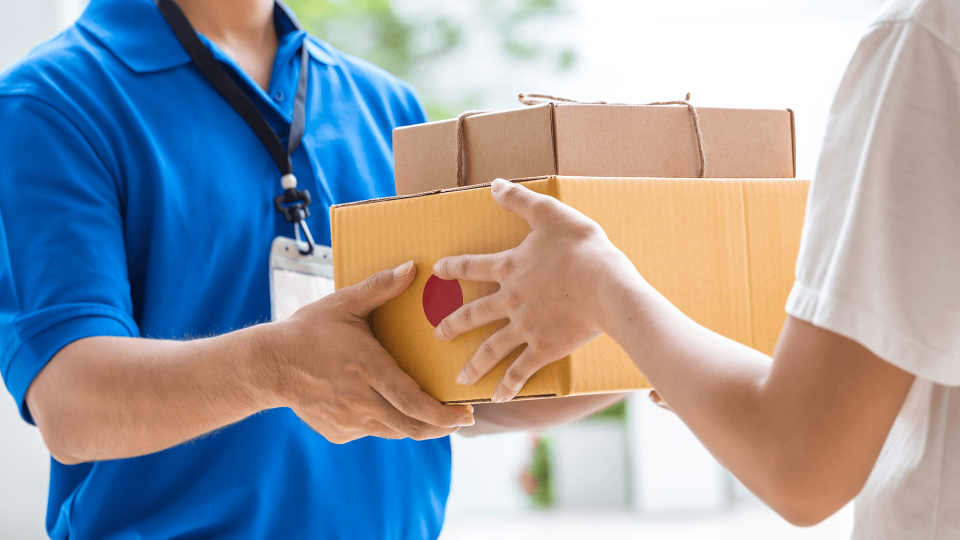
If you ordered something online a decade ago, waiting several days for it to arrive was normal. Now, for many shoppers in the U.S., the expectation is more like tomorrow, or even a few hours before the end of the day. Amazon (NASDAQ: AMZN) has helped push this shift, with same-day and one-hour delivery windows now available in hundreds of cities and towns and three-hour options in more than 2,000 communities across the country. FedEx (NYSE: FDX) is also joining this acceleration, launching a same-day program called FedEx SameDay Local in partnership with OneRail, a last-mile delivery software company that uses routing and tracking tools to connect retailers with a network of thousands of carriers and millions of drivers. Retailers can now offer more precise delivery windows, including two-hour appointments and end-of-day options, while still relying on existing fulfillment centers and local store networks. Walmart (NYSE: WMT) and Target (NYSE: TGT) have followed a similar path, expanding same-day and next-day options to mirror and, in some cases, directly challenge Amazon’s Prime-driven pace.
What makes this evolution stand out is less about the technology itself and more about what it does to expectations. As one-hour delivery tests move from a few experimental zones into broader U.S. markets, the idea of waiting more than a day for a non-specialty item starts to feel like a drawback rather than a convenience. Companies that previously focused on cutting costs by batching deliveries are now reconfiguring pick-and-pack workflows, reserving blocks of time for ultra-fast orders, and even creating dedicated lanes within warehouses so that a 60-minute window can be honored without derailing the rest of the day’s volume.
Yet not all of this acceleration is friction free. One-hour delivery in the U.S. typically comes with a premium fee, around $10 for Prime members and closer to $20 for non-Prime shoppers, which can add up quickly for frequent orders. Analysts note that this pricing captures the extra cost of splitting loads, running more frequent trips, and covering the risk of missed windows, all of which affect profit margins even for large players. For smaller retailers, the burden can be heavier; many rely on platforms like OneRail to plug into shared carrier networks, but they still must decide how much to subsidize shipping and how much to pass through to customers.
Beyond the economics, there are operational and human trade-offs. Faster delivery windows mean more trucks rolling out on shorter routes, which can reduce congestion in some scenarios but also concentrates activity in specific neighborhoods and at peak hours. Studies of e-commerce logistics suggest that while consolidated delivery can lower emissions per item compared with individual car trips, the proliferation of ultra-fast services tends to increase total truck miles and packaging waste, especially when customers choose speed over consolidation. At the same time, couriers and warehouse workers are under pressure to meet tighter timelines, a dynamic that labor advocates say can strain safety and well-being if monitoring and rest periods are not properly managed.
Globally, the same pattern is emerging, even if the pace and scale differ. In Europe and parts of Asia, regulators and city planners have begun asking whether ever-shorter delivery promises are compatible with air-quality goals and congestion policies, leading some cities to cap delivery volumes or require cleaner-fuel vehicles for same-day services. In some markets, hybrid models, such as “click-and-collect” or neighborhood pickup points, are being promoted as a way to preserve speed while reducing the number of individual drops per route.
For consumers, the short-term appeal is obvious: the ability to get what you need delivered quickly can simplify life, reduce unplanned trips to the store, and reduce the mental load of planning ahead. Behind the scenes, however, the push toward ever faster delivery forces companies to balance customer expectations against cost, employee well-being, and long-term sustainability. As the threshold for what counts as “fast enough” continues to slide from days to hours, the real question may not be what can be delivered in under an hour, but whether the entire system can keep up without fraying the economic and environmental margins that underpin it.
