
The United States is taking another serious look at nuclear energy. The goal is to expand clean, reliable power to keep up with growing demands, especially from some of the fastest-growing sectors like artificial intelligence and cloud computing. Recently, President Trump signed several executive orders aimed at boosting nuclear capacity, aiming to quadruple output by 2050. The plan includes speeding up the licensing process, supporting domestic uranium production, and placing new reactors on federal and military sites. It’s an ambitious push to make nuclear a bigger part of the energy mix again.
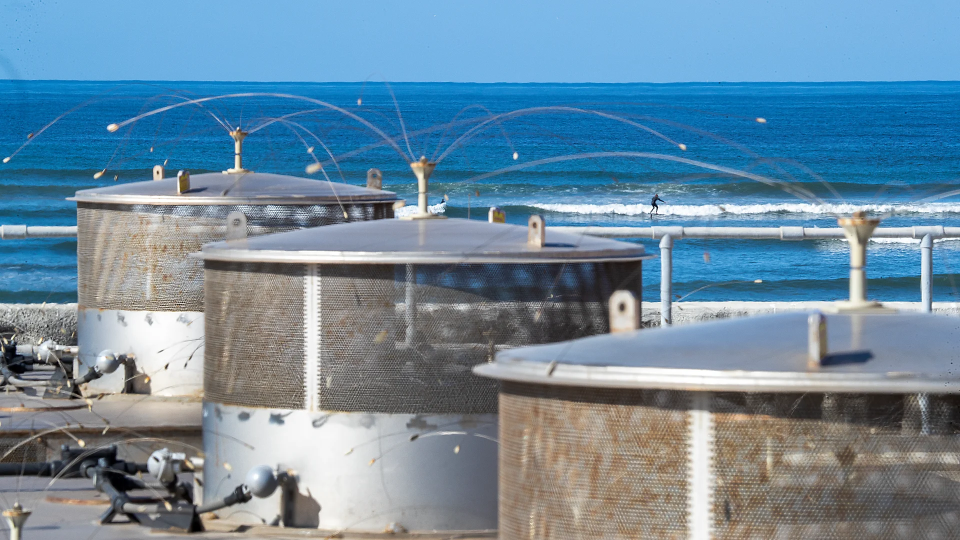
But there’s a catch, this resurgence comes with a familiar headache: what to do with the waste. Nuclear power plants generate radioactive waste that needs extremely careful handling, and for decades, the U.S. has struggled to find a long-term solution. Right now, most used nuclear fuel is stored on-site at power plants, either in pools filled with water or in dry cask containers. These methods keep the waste safe for now, but they’re really just temporary setups while the search for a permanent solution drags on.
The biggest stumbling block? A permanent underground repository for nuclear waste still doesn’t exist here. The Yucca Mountain site in Nevada was supposed to be the answer. Decades ago, it was designated as the nation’s main disposal site, but local pushback and political battles have stalled its operation indefinitely. This has forced utilities to store their waste longer than expected, which has cost taxpayers billions in legal settlements. Without a centralized site, the waste is effectively piling up at dozens of locations across the country, making for an uncertain future.
Experts often point to a mix of paths forward. Some say it’s time for national leaders to break the political deadlock and commit to advancing geological disposal projects, ensuring communities near those sites are fully informed and involved. Others look to technology, recycling or reprocessing the spent fuel could reduce its volume and toxicity, making it easier to handle.
Dr. Allison Macfarlane, a former chair of the U.S. Nuclear Regulatory Commission, puts it plainly: “Solving the nuclear waste problem isn’t just about the science. It requires good governance and ongoing conversations with the people who would live near disposal sites.” She emphasizes that public trust is critical to making any permanent disposal plan work.
Groups like the Union of Concerned Scientists also stress a broad strategy that combines safer interim storage methods with investing in new reactor designs that produce less waste and lower environmental risks over time.
On the government side, there’s a patchwork of efforts, regulators are funding research, updating licensing procedures, and supporting advanced nuclear technologies. But challenges remain. Regulatory agencies often face staffing shortages, and the overlap of policies between federal and state authorities sometimes leads to slow progress and confusion. Plus, local resistance to siting new facilities leads to lawsuits and delays, adding yet another layer of complication.
So here’s where things stand: the U.S. wants to lean heavily into nuclear power again to meet future energy needs. But until the nuclear waste problem gets a clear, practical solution, the industry and policymakers will keep hitting walls. Temporary storage facilities will have to hold the line for now as the search continues for a long-term plan that everyone can accept. The challenge is big and complex, technical, environmental, political, and social, but finding that solution will be key to whether nuclear can really play the role its supporters hope for in America’s energy future.
