
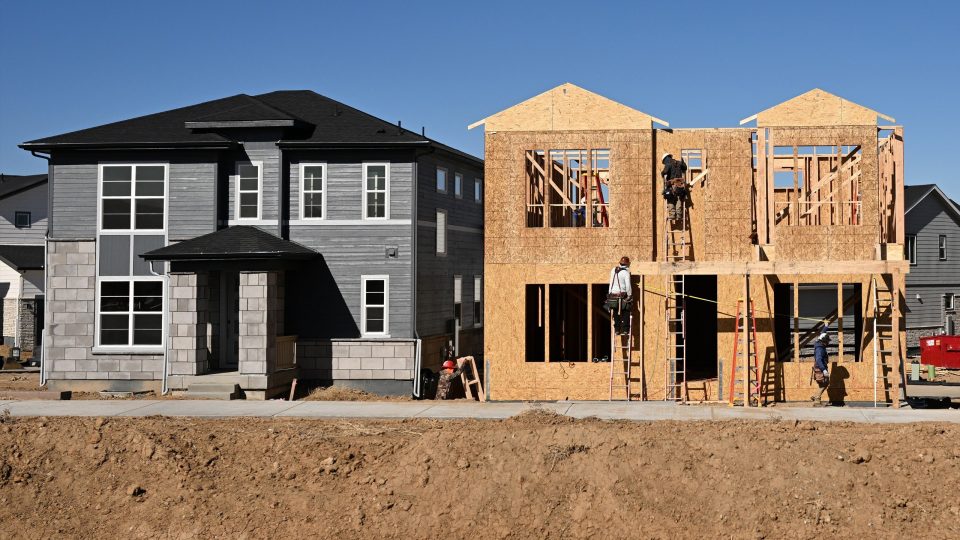
For more than a decade, Japanese home builders kept a low profile in the U.S. housing market. They made small purchases of private American construction firms, staying out of the spotlight. That approach has changed. Since 2020, these companies have announced or completed deals for 23 U.S. single-family home builders. That number is more than double the count from 2013 to 2019.
This surge does not stop at single-family homes. Japanese firms have also picked up multifamily developers and suppliers of construction materials. Analysts now estimate these builders control about 6% of the U.S. single-family home construction market. John Burns, chief executive of John Burns Research and Consulting, put it this way: “It started small. But Japanese corporations tend to play the game with a very long mindset.”
To grasp why this matters, consider the U.S. housing scene. Demand for new homes stays strong as millennials and Gen Z buyers enter the market. Yet builders face hurdles like high interest rates, labor shortages, and rising material costs. Japanese companies bring strengths that help them navigate these issues. Many specialize in prefabricated construction, where large parts of a house come ready-made from factories. This method cuts build times and waste, which appeals in a market short on skilled workers.
Take Daiwa House Industry Co. (TSE:1925). The firm expanded through its U.S. arm, Stanley Martin Homes. In early 2026, it bought the homebuilding business of United Homes Group (NASDAQ: UHG) for $221 million. This deal took United Homes private and boosted Daiwa’s footprint in the Southeast. Daiwa now operates in key growth areas, using its factory-built techniques to speed up projects.
Sumitomo Forestry Co. (TSE:1911) made waves too. In February this year, it announced a strategic combination with Tri Pointe Homes, Inc. (NYSE: TPH). The move aims to merge Sumitomo’s wood-frame expertise with Tri Pointe’s land holdings and design know-how. Together, they plan to build more efficient homes across the Sun Belt.
Sekisui House, Ltd. (TSE:1928) started earlier. In 2024, it acquired M.D.C. Holdings, Inc., the parent of Richmond American Homes, for $4.9 billion. This purchase gave Sekisui a strong base in the West and Midwest. The company has since rolled out modular building methods, completing homes in weeks rather than months.
These deals follow a pattern. Japanese builders often target regional players with solid reputations but limited scale. They add their own technology, like advanced framing or energy-efficient designs, to improve margins. Prefab components, common in Japan due to earthquake risks, reduce on-site labor by up to 30%. In the U.S., where weather delays and union rules slow projects, this edge stands out.
The motivation runs deeper than technology. Japan’s home market offers low growth. Strict zoning and an aging population limit new builds there. The U.S., by contrast, needs millions of homes to close the supply gap. Japanese firms see steady returns from America’s expanding suburbs and remote-work migration. Low interest rates in Japan also make funding these buys cheaper than for U.S. rivals.
Not everyone welcomes the shift. Some U.S. builders worry about foreign control over land and supply chains. Regulators watch for impacts on competition. Still, the deals clear antitrust reviews, and Japanese owners keep local teams in place. Homebuyers may benefit most. More prefab options could lower prices by 10-15% over time, as production scales up.
Deals keep coming. In recent months, firms like Hajime Construction and Wright Homes joined the list through Japanese buyers. By mid-2026, that 6% market share could climb higher. Japanese builders view housing as a marathon, not a sprint. Their patient approach, honed over decades at home, now reshapes communities from Virginia to Colorado. Local workers learn new skills, and families move into homes built faster and smarter. This cross-Pacific partnership shows how global capital fills gaps in vital markets.
