
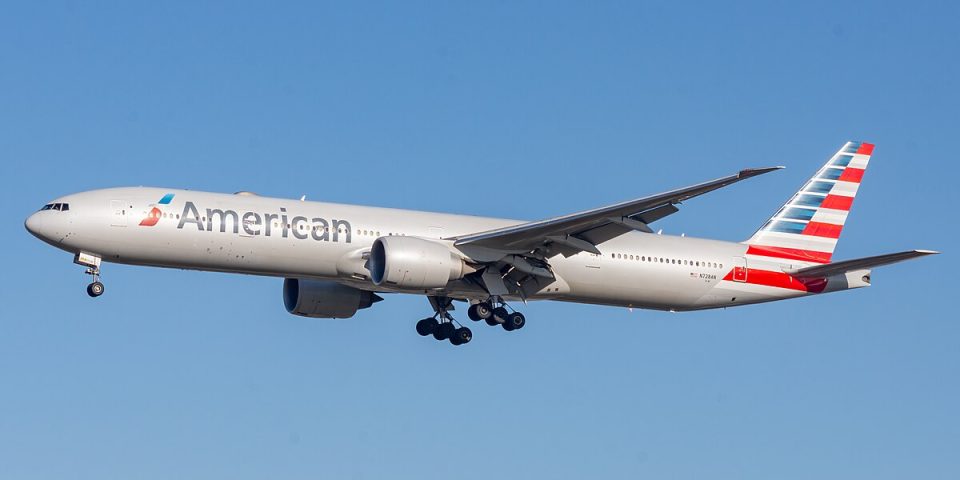
Settling into an airplane seat used to mean losing touch with the online world, at least unless you paid extra for spotty Wi-Fi. Today, that is changing fast for flyers on U.S. airlines. American Airlines Group Inc. (NASDAQ: AAL) just took a big step by announcing free high-speed Wi-Fi for its loyalty members on almost every flight by spring 2026, thanks to a deal with AT&T. This move fits into a larger pattern where carriers compete to make internet access a basic part of the ride, especially to keep loyal customers happy.
A decade ago, in-flight internet felt like a luxury add-on. Airlines charged $5 to $30 per flight for Wi-Fi, depending on speed and flight length, and speeds often crawled along at dial-up levels. Passengers tolerated it for emails or basic browsing, but video streaming or video calls proved frustrating. Delta Air Lines kicked off a shift in 2021 by testing free Wi-Fi for SkyMiles members on a few routes, proving the idea could work without losing money. United Airlines followed with its own free service for top-tier MileagePlus flyers by 2023, and JetBlue made Wi-Fi free for everyone on its planes starting in 2014. These early efforts showed airlines that free access drew more repeat business than paywalls did. Over time, hardware upgrades from providers like Viasat and Intelsat boosted speeds enough to handle Netflix or Zoom without constant buffering.
American Airlines leads with scale in this rollout. By spring, AAdvantage members will connect for free on domestic and short international flights equipped with AT&T-backed service, covering more planes than any rival right now. Basic economy passengers still pay around $10 for Wi-Fi, but loyalty perks make it free for millions of members. This setup encourages sign-ups for the program, which already boasts over 130 million people. The partnership with AT&T means sponsors cover much of the cost, turning Wi-Fi into a marketing tool rather than a pure expense. Travelers notice right away: check a gate update, reply to work emails, or scroll social media without extra fees.
Delta now gives free Wi-Fi to all SkyMiles members on most domestic routes, with plans to expand globally by late 2026. United matches that for its elite flyers and buys ad space to offset costs. Alaska Airlines provides free texting for all and full Wi-Fi for its top loyalty tier, while Southwest lets premium members stream for free. JetBlue stands out by offering it to everyone, no strings attached. Across the board, these options mean about 75% of U.S. domestic flights have some free Wi-Fi tier in early 2026, up from under 20% five years ago. Flyers pick airlines partly based on connectivity now, especially business travelers who log 2.5 hours of average work time per long flight.
For the average person, free Wi-Fi turns flights into productive or relaxing extensions of home. Families stream movies together instead of buying individual screen rentals. Remote workers handle quick tasks without roaming charges. Frequent flyers rack up points just by flying, tying their habits closer to one carrier. Costs stay low for airlines because satellite tech dropped data prices 50% since 2020, and ad deals fill gaps. Passengers report higher satisfaction scores on routes with reliable free service, with Net Promoter Scores jumping 15% on average. No one waits in frustration for a login page that demands payment anymore.
This trend reshapes choices at booking. Tools like Google Flights now flag free Wi-Fi as a filter, alongside legroom or direct routes. Loyalty programs grow faster when internet access serves as the hook, pulling in casual travelers who value convenience. Airlines experiment with sponsored portals where users see ads for 15 minutes of free time, extending to full flights for members. Speeds hit 100Mbps on new setups, enough for group FaceTime or 4K video. Smaller carriers like Frontier still charge, but pressure mounts as majors set the pace. Travelers win with seamless access that matches ground expectations.
Free Wi-Fi cements itself as a core flight feature, much like complimentary water or safety briefings. American Airlines sets a high bar by blanketing its fleet so quickly, pushing rivals to match or beat it. Flyers book with confidence, knowing their devices stay powered up and connected from gate to gate. This quiet upgrade makes air travel feel less like a blackout zone and more like the wired world below.
