
Autonomous taxis, or robotaxis, operate without a human driver behind the wheel. They rely on sensors, cameras, and software to handle everything from navigation to passenger pickups. After years of development, this industry now enters a phase of real-world growth as companies extend their reach into new cities and neighborhoods. Amazon (NASDAQ: AMZN) provides a clear case through its Zoox unit, which continues to broaden operations.
Zoox vehicles stand out with their boxy design and lack of traditional controls like steering wheels or pedals. The company began offering free rides last year in select areas of Las Vegas and San Francisco. By late March 2026, it had served 350,000 riders, with about 500,000 on its waitlist. Recent updates expand coverage in San Francisco four times over to include Marina, North Beach, Chinatown, Pacific Heights, and the Embarcadero waterfront. In Las Vegas, service will soon reach event venues like the Sphere and T-Mobile Arena, along with Harry Reid International Airport.
Plans go further with testing in Austin and Miami later this year. Initial rides limit to Zoox staff, families, and friends in small zones, followed by public access through the Explorer waitlist program. The company already gathers data in Atlanta and Los Angeles using adapted Toyota Highlanders. Soon, 100 robotaxis will operate publicly across these spots as scaling continues. A fresh partnership with Uber (NYSE: UBER) adds reach. Uber app users in Las Vegas can book Zoox rides starting summer 2026, a move Uber repeats with other providers to adapt to changing transport demands.
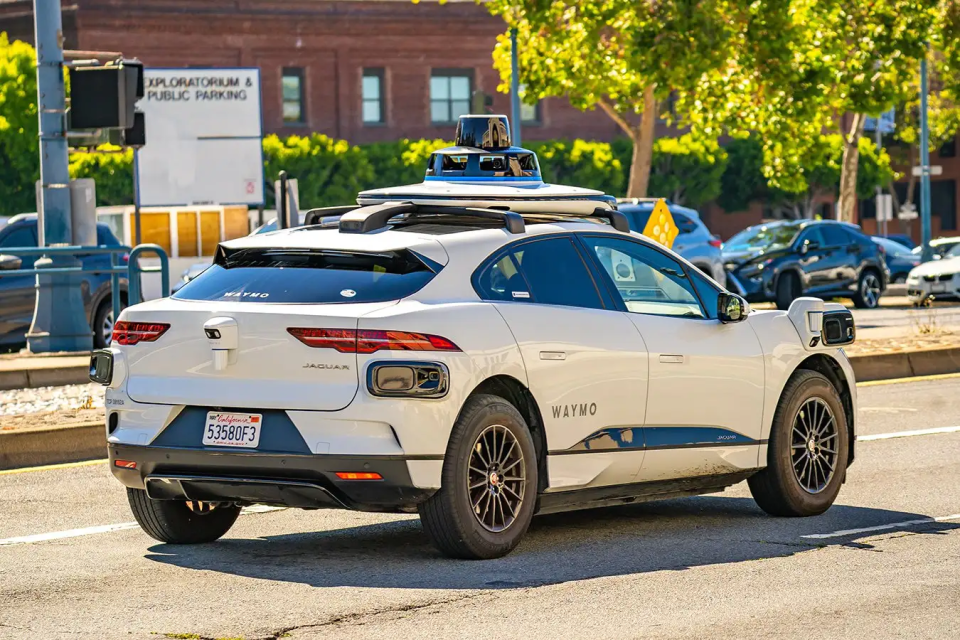
Alphabet (NASDAQ: GOOGL) runs Waymo, the top U.S. player, which offers about 400,000 paid rides each week across several metro areas and operates commercially in ten cities. Waymo plans entry into London and Tokyo this year, building on safety records that show fewer crashes than human drivers. Its fleet grows toward 10,000 vehicles to hit one million weekly rides by late 2026. Tesla tests its robotaxi concept in Austin with eye on wider rollout. Baidu’s Apollo Go logs thousands of daily trips in Chinese cities like Wuhan, turning profitable per vehicle. Cruise focuses on urban data after past setbacks.
Every company faces regulatory steps. Zoox seeks National Highway Traffic Safety Administration approval for up to 2,500 commercial driverless vehicles. Paid rides hinge on this green light, alongside ramping up vehicle output to match interest. Zoox CEO Aicha Evans calls it a 12-year grind, warning that mass adoption takes time.
Uber ties help test distribution channels. Zoox learns from the setup but keeps its app as the go-to booking tool for now, without detailing partner shares. Such links show how ride-hailing firms weave in autonomous options as expenses fall.
Zoox logs nearly 2 million autonomous miles, tweaking for shorter waits and better rides. Waymo stacks safety stats for credibility, while Baidu cuts costs with local hardware. Cities must adjust signals and maps to fit these fleets. Each expansion tests public comfort and proves the tech for daily life.
