
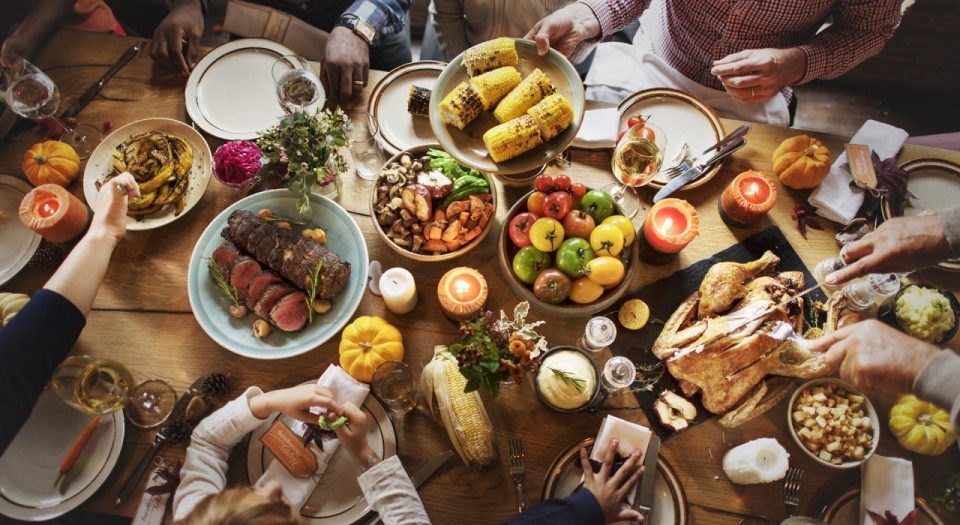
Today, U.S. stock markets stand still for Thanksgiving. The New York Stock Exchange and Nasdaq shut down completely, giving traders a full day away from screens. Tomorrow brings a shorter session, with both exchanges closing at 1:00 p.m. Eastern Time rather than the usual 4:00 p.m. This rhythm feels routine now, but it ties into a holiday with deep roots and a few twists along the way.
Think back to the early days. European settlers in Plymouth Colony gathered with Native Americans in 1621 for a three-day feast, marking a harsh winter’s end with shared food like venison and corn. That event lingered in stories, but it took centuries to become a national tradition. By the 19th century, magazines pushed for regular observances, painting pictures of family tables groaning under turkey and pies. Sarah Josepha Hale, editor of Godey’s Lady’s Book, wrote letters to presidents for years, urging a fixed day of thanks.
Abraham Lincoln finally made it official in 1863. Amid the Civil War, he set aside the last Thursday in November as a day for gratitude, hoping to unify a divided nation. People embraced it slowly at first. Families traveled by train for dinners, and communities held parades. Newspapers printed recipes and sermons, turning it into a cultural anchor. By the early 20th century, Thanksgiving blended harvest thanks with football games and early holiday shopping hints.
Markets followed suit over time. The New York Stock Exchange has closed every Thanksgiving since at least 1885, listed among standard holidays alongside Christmas. Early closures on the Friday after started in the 1990s, with records showing 1:00 p.m. shutdowns by 1993. Before that, full days operated, but volume dropped as traders headed home early. This pause reflects how deeply the holiday embeds in American life, pulling even Wall Street into family routines.
Not everyone agreed on the timing, though. In 1939, President Franklin D. Roosevelt tried shifting it a week earlier to stretch the Christmas shopping season during the Great Depression. Retailers cheered the extra week, but 23 states stuck to the old date, creating two Thanksgivings and chaos with football schedules and turkey supplies. Critics called it “Franksgiving,” and polls showed public backlash. Roosevelt backed off by 1941, and Congress locked in the fourth Thursday in November by 1941’s end. That compromise settled things, avoiding future calendar fights.
The change attempt highlights Thanksgiving’s economic side. Merchants saw dollar signs in more shopping days, but tradition won out. Today, the half-day Friday nods to Black Friday frenzy without full disruption. Trading volume dips about 7% early in the week as people travel, yet markets often end positive, averaging small gains. This blend of pause and pulse shows how culture shapes finance.
Over decades, the holiday evolved beyond pilgrims’ hats. Postwar booms brought TV broadcasts of parades and Norman Rockwell paintings of ideal meals. Immigrants added their flavors, from Korean side dishes to Mexican mole on turkey. Schools teach simplified origin stories, while adults debate politics over pie. Markets, meanwhile, treat it as sacred downtime, with bonds and futures also quiet.
One quirk remains: the date slides around the calendar. As the fourth Thursday, it falls between November 22 and 28, shifting weekdays yearly. No major pushes to fix it have stuck since Franksgiving. The setup works, balancing rest with commerce.
As families gather today, markets wait, ready for Monday’s full stride.
