
A new chapter in the tariff refund fight opened this week as Court of International Trade Judge Richard Eaton ordered U.S. Customs and Border Protection (CBP) to begin refunding duties collected under the International Emergency Economic Powers Act (IEEPA). These tariffs, introduced during President Trump’s administration, applied to imports from countries such as Canada, China, and Mexico at rates ranging from 10% to 35%, citing national security and economic concerns.
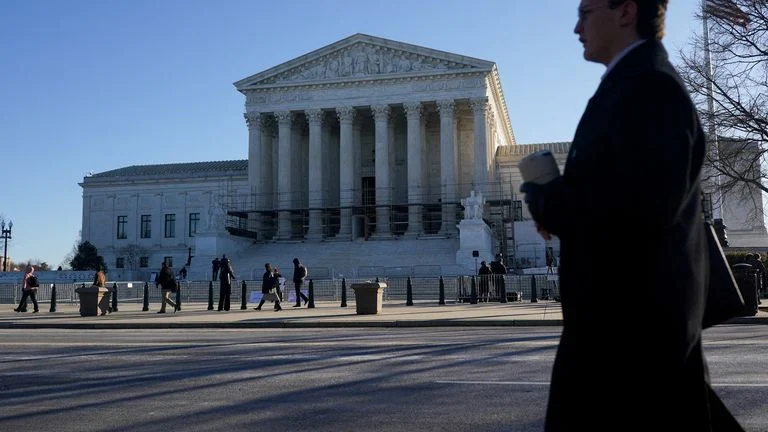
Their legal foundation collapsed on February 20, 2026, when the Supreme Court ruled 6–3 that IEEPA does not authorize the president to impose import taxes. Judge Eaton’s order now compels CBP to adjust unliquidated entries, shipments still awaiting duty calculations, and reliquidate others wherever feasible. Importers across industries, from manufacturing to energy, are seeking billions in refunds as the court voids those excess charges and instructs the agency to repay promptly.
CBP, however, says compliance is not possible at this stage. The agency told Judge Eaton that its systems cannot handle the expected flood of refunds. Millions of entries from the past year require review, recalculation, and repayment, and Customs’ infrastructure was designed to collect duties, not reverse them quickly.
At the heart of the problem is the Automated Commercial Environment (ACE), the system that processes trade data. ACE lacks features for large-scale reliquidations based on a court order, and any upgrade would require extensive software changes, testing, and database coordination across payment and entry records. With new shipments processed daily, CBP warns that rushing the fixes could trigger accounting errors, lawsuits, and trade disruptions.
The agency already halted new IEEPA collections on February 24, 2026, following the Supreme Court’s decision and subsequent executive orders. Yet processing refunds poses a much larger logistical challenge. Customs officials fear that accelerating the rollout could interfere with ongoing audits and liquidation procedures essential for orderly trade operations.
For importers, the stakes are high. Companies that paid tariffs of up to 35% on Canadian steel or 10% on Chinese electronics have been waiting months for relief. Many filed protests years ago. Now, they face a new wave of uncertainty: Will Customs appeal, or will it take months to upgrade its systems? Smaller importers with limited legal or accounting support are hit particularly hard as cash remains tied up.
Meanwhile, new tariffs continue reshaping supply chains. Although IEEPA duties have ended, a separate 10% global tariff under Section 122 of the Trade Act of 1974 began in February and could last up to 150 days. With refund delays and ongoing costs, companies are reevaluating supplier networks, adjusting pricing, and lobbying trade groups for predictability. Trade analysts expect further appeals to the Federal Circuit, which recently sent the refund issue back for detailed implementation review.
CBP’s challenges highlight an enduring problem: federal trade systems often lag behind policy shifts. Upgrading ACE to manage such refunds could take quarters and cost millions, diverting resources from security and modernization priorities. Future tariff programs, experts suggest, should include built-in refund mechanisms to prevent similar gridlock.
For businesses, key takeaways include diversifying suppliers, modeling duty exposure in advance, and tracking regulatory updates through Customs bulletins. The case also illustrates how policy tools, IEEPA, Section 232, and Section 301, can overlap and complicate trade execution.
Even with a legal victory, importers still wait for cash returns. Many firms paid under protest, anticipating litigation, but now face delays driven by outdated technology. Large corporations are pushing for faster relief, while smaller ones join class actions. Once again, trade policy meets real-world limits in the tension between law, logistics, and legacy systems.
