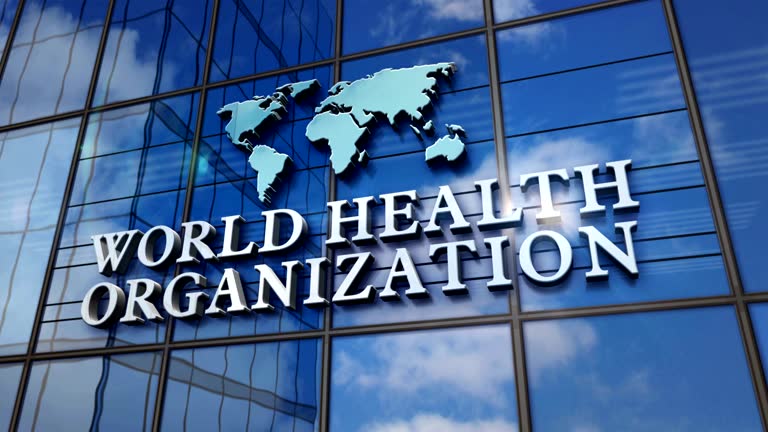
The United States has now fully withdrawn from the World Health Organization (WHO). This step came exactly one year after President Trump signed an executive order on his first day back in office in January 2025. The U.S. Department of Health and Human Services (HHS) confirmed the move yesterday, marking the end of nearly eight decades of membership.
Trump first tried to pull the U.S. out of the WHO during his initial term in office. Back then, he pointed to the agency’s handling of the COVID-19 pandemic as a key issue. Critics in his administration argued that the WHO delayed declaring a global emergency and seemed too close to certain foreign governments, like China. When he returned to the presidency in 2025, Trump acted quickly with that executive order. He called for halting all U.S. funding and recalling American staff from WHO projects. The order also pushed for looking at other health groups to join instead. Legal rules from the 1948 agreement that brought the U.S. into the WHO required a one-year heads-up and payment of any owed money.
Public records show Trump saw the WHO as inefficient and overly political. He often highlighted how the U.S. paid about 18% of the agency’s budget, the largest share by far, without enough say in return. During COVID, the WHO faced blame for slow warnings and travel policy disputes, which Trump felt hurt U.S. interests. His team described the contributions as unfairly heavy, especially after what they called the agency’s failures in managing outbreaks. By leaving, the administration aimed to save taxpayer money and regain control over health policy without what they viewed as meddling from an international body. This fit a broader pattern of Trump favoring U.S.-first approaches over multilateral groups.
The U.S. still owes the WHO around $260 million in dues for recent years. Legal experts note the agency has few ways to collect, as the U.S. State Department has said no further payments will happen. This gap hits the WHO hard. It already plans to cut 25% of its staff by mid-2026 and shrink operations across the board. Without U.S. funds, programs for disease tracking, vaccines, and outbreak response face big shortfalls. The WHO’s board will discuss the exit in February, but the loss of its top donor creates real pressure.
This withdrawal changes how the world handles health crises. The U.S. no longer sits on WHO committees that set flu vaccine formulas or track global viruses like influenza. Other nations may step up funding, but none match the U.S. scale, shifting power toward countries like China, already a major player. Businesses in pharmaceuticals and biotech lose direct access to WHO data networks, which could slow vaccine development or delay alerts on new threats. Global supply chains for medical goods might fragment as countries build separate systems. Trade in health products could see new barriers without unified standards.
For everyday Americans, the shift means relying more on domestic health agencies like the CDC. Taxpayers save on dues, potentially freeing up $500 million a year in regular contributions, though indirect costs from weaker global monitoring could rise. U.S. scientists and drug makers now navigate without WHO platforms, risking gaps in early pandemic warnings or flu strain data. Public health experts warn of slower responses to outbreaks, as seen in critiques from groups like the Infectious Diseases Society of America. Yet the administration argues this lets the U.S. focus resources where they matter most, avoiding what it calls a flawed organization. Pharma firms might pivot to bilateral deals with other nations, altering investment flows.
The move underscores a larger rethink of U.S. roles in global bodies. It prioritizes national control over shared efforts, with ripple effects on health security and international business ties for years to come.
