
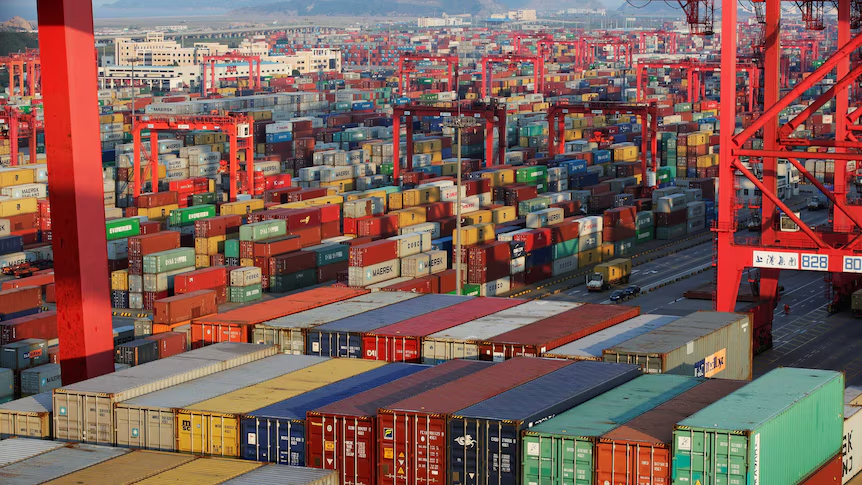
Canada and the U.S. maintain one of the world’s tightest economic partnerships. Trade flows across their shared border have grown steadily since the 1980s, despite occasional disputes over lumber and dairy. The current flare up revolves around Canada’s pursuit of a trade agreement with China. U.S. President Donald Trump has threatened that he would impose a 100% tariff on every Canadian good entering the U.S. should Canada finalize such a deal.
This warning echoes past frictions that trace back through decades of negotiations. The 2020 USMCA agreement, which updated the old NAFTA, sought to lock in smooth supply chains across North America. Even so, underlying strains persisted into Trump’s return to the White House in January 2025. Just weeks back, he raised the prospect of 25% tariffs on Canadian autos and steel. Mark Carney, ex Bank of England governor and influential Canadian figure, responded firmly. He said Canada would prevail in any trade showdown thanks to the deep integration of the two economies.
China introduces the newest layer. Canada first eyed broader commercial links with Beijing around 2017. Those early ambitions faded amid geopolitical hurdles. By 2025, Ottawa turned to narrower pacts covering critical minerals and agriculture. China imports Canadian canola and lumber while exporting electronics. Lower tariffs from a deal would quicken that exchange. From Washington’s view, this looks like Canada tilting toward America’s chief rival.
Companies on both sides sense the pressure immediately. Roughly 75% of Canada’s exports flow south to the U.S. Automotive parts crisscross the border under USMCA protections. A 100% tariff would instantly double prices on vehicles, steel slabs, and lumber shipments. American buyers depend on Canadian aluminum and crude oil as well. Consumers would see higher tags on cars, beverages in cans, and fuel at the pump. Factories in Ontario and Michigan alike might idle lines as orders falter.
Bilateral trade surpassed $1 trillion in the past year. That figure outpaces U.S. commerce with the European Union. Aerospace and pharmaceutical outfits thrive on frictionless movement. Boeing, for one, draws key parts from Canadian plants. New barriers would snarl production schedules overnight.
For Canada, China beckons as a diversification play. It purchases potash and pork exports, albeit in smaller quantities than the U.S. A pact could slash duties on electric vehicles and rare earth elements vital for batteries. U.S. policymakers fear this setup might funnel Chinese imports into North America via Canada, evading domestic restrictions. Trump has long applied heavy levies on Chinese steel and tech components.
Ottawa’s politicians confront stark trade offs. Prime Minister Carney aims to lessen reliance on the U.S. market. China dangles prospects in renewables and crops. Yet jeopardizing the primary destination weighs heavier. Analysts project a broad trade rupture could trim Canada’s GDP by 2% within the first year. Midwest U.S. agriculture and manufacturing would take hits too.
Carney delivered a measured counterpoint. He pointed to Canada’s leverage through oil pipelines feeding U.S. refineries and ports shipping grain from the heartland. The partnership endures for solid reasons, he emphasized.
Trump favors sharp rhetoric to steer outcomes. Threats against Mexico in his prior term prompted fast compromises. Public opinion leans toward preserving U.S. connections. Organizations such as the Canadian Chamber of Commerce advocate discreet discussions over loud confrontations.
This episode underscores the resilience of North American commercial webs. One nation’s outreach to a distant partner reverberates close by. Decision makers recognize the deepest cuts fall inward.
