
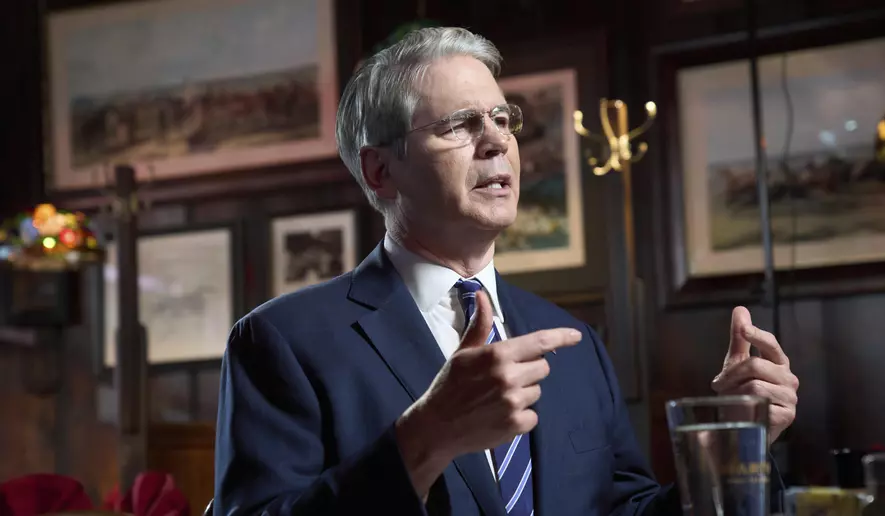
The Trump administration has narrowed its search for the next chair of the Federal Reserve to five candidates as the current chair, Jerome Powell, nears the end of his term in May 2026. Treasury Secretary Scott Bessent confirmed the shortlist aboard Air Force One, where he indicated a second round of interviews will take place, with a final recommendation expected shortly after Thanksgiving. President Trump anticipates making a decision before the end of this year, advancing one of the most consequential personnel choices for the U.S. economy.
The five candidates up for the position include Federal Reserve governors Christopher Waller and Michelle Bowman; former Fed governor Kevin Warsh; White House economic adviser Kevin Hassett; and Rick Rieder, senior managing director at asset manager BlackRock. These individuals span a range of backgrounds, encompassing current Federal Reserve governance, previous Fed experience, economic advisory roles in the White House, and the private sector.
Christopher Waller and Michelle Bowman are currently serving on the Fed’s Board of Governors, a seven-member body that, alongside regional Federal Reserve presidents, shapes monetary policy. Waller and Bowman represent appointments made during the Trump administration. Kevin Warsh brings experience from his time as one of the youngest Fed governors ever, serving from 2006 until 2011 during the George W. Bush administration. Kevin Hassett, who currently chairs the White House National Economic Council, is closely connected to Trump, having served as a top adviser in both Trump terms and maintaining a longstanding loyalty that could influence the president’s choice. Rick Rieder, with years in asset management at BlackRock, offers private sector financial expertise.
The decision arises amid a backdrop of criticism from Trump toward Powell, who has been publicly chastised for not cutting interest rates rapidly enough to support economic growth. Trump has called Powell “not at all smart,” citing frustrations over interest rate pauses and signaling his desire for a Fed chair more aligned with his economic objectives. Powell’s current term ends next May, but he has the option of remaining on the Federal Reserve’s Board of Governors until 2028, a scenario that could affect Trump’s influence over the Fed for years. This complex timing likely underpins the administration’s urgency for an end-of-year announcement, potentially allowing Trump to appoint a new governor who could then be elevated to chair once Powell’s term expires.
Treasury Secretary Bessent, tasked with vetting these candidates, previously published critiques of the Federal Reserve’s policies from the 2008 financial crisis through the pandemic era, reflecting broader discussions about the institution’s role and direction. The Federal Open Market Committee is set to announce its latest interest rate decision soon, widely expected to include a quarter-point cut amid easing inflation and a cooling labor market. The new Fed chair will face the challenge of steering monetary policy through ongoing economic uncertainties and political pressures regarded as intensified under the current administration.
The gravity of the Fed chair position cannot be overstated, as market participants and global economic actors closely watch the individual entrusted with setting interest rates and guiding monetary strategy. This role carries significant influence, where statements and policy shifts can move financial markets and impact the U.S. economy broadly. With five finalists from diverse backgrounds, the Trump administration’s forthcoming choice will clearly signal its approach to monetary governance in the coming years.
