
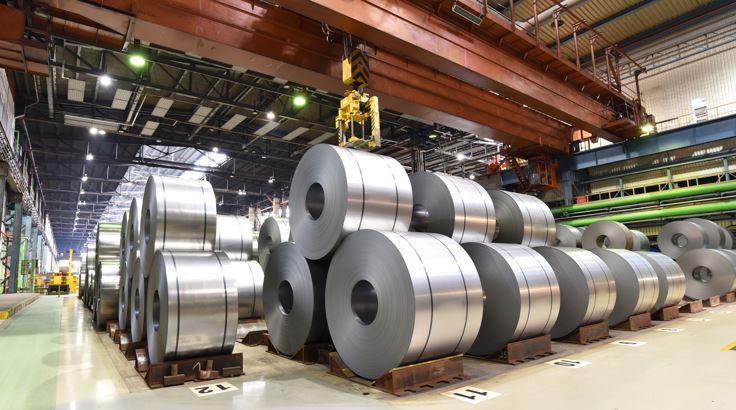
President Trump has significantly broadened the scope of his steel and aluminum tariffs by including 407 additional product categories subject to a 50% duty on their steel and aluminum content. This latest expansion, effective Monday, reflects the administration’s ongoing efforts to protect the U.S. steel and aluminum industries amid persistent global trade tensions.
The original tariffs under Section 232 of the Trade Expansion Act of 1962 targeted imports of steel and aluminum to protect national security interests, citing unfair trade practices and global overcapacity. Initially set at 25%, the tariffs were doubled to 50% earlier this year. With the latest move, the administration has extended the tariff net far beyond traditional steel and aluminum products to encompass a much broader array of goods.
Among the newly included items are wind turbines and their components, mobile cranes, bulldozers, railcars, compressors, pumps, furniture, and various automotive parts, including components used in electric vehicles. The scope even touches on household appliances such as refrigerators and washing machines, as well as motorcycles and truck trailers. This far-reaching list captures products that may not be commonly seen as steel or aluminum derivatives but contain enough metal content to fall under the tariff umbrella.
The U.S. Department of Commerce justified the expansion by highlighting its intent to close loopholes and prevent evasion of tariffs by reclassifying derivative products that previously slipped through. Jeffrey Kessler, the Under Secretary of Commerce for Industry and Security, said the added coverage “shuts down avenues for circumvention” and supports “the continued revitalization of the American steel and aluminum industries.”
While the tariffs apply only to the steel and aluminum portions of these goods, importers now face a significant increase in duties on a wide spectrum of products. This expansion has sparked concern among importers and manufacturers who warn it could lead to inflationary pressures. Jason Miller, a supply chain management professor at Michigan State University, noted that the tariffs affect about $320 billion worth of imports based on 2024 data. He warned this will add more cost-push inflation at a time when producer prices are already climbing.
Businesses reliant on these materials, including manufacturers of household goods, automotive parts, and heavy machinery, may be compelled to absorb higher costs or pass them along to consumers. This could also affect supply chains’ overall efficiency and competitiveness. The broader industrial impacts remain difficult to predict, though experts suggest the cost burdens could ripple across multiple sectors.
Notably, the tariffs now also target components crucial for electric vehicles, a sector often lamented for its reliance on specialized inputs that the U.S. domestic industry cannot fully supply. Some international auto manufacturers had petitioned against the inclusion of these parts, warning of potential supply shortages and higher expenses that could slow the transition to electric vehicles.
The tariffs differentiate between countries in some cases. For instance, steel and aluminum imports from the United Kingdom remain subject to a 25% tariff rather than the full 50%, reflecting ongoing negotiations related to trade deals aimed at facilitating U.S.-UK economic relations.
This latest expansion follows a series of aggressive tariff measures by the Trump administration aimed at boosting domestic steel and aluminum production. Earlier proclamations cut exemptions and cracked down on misclassification or evasion tactics. Private parties are also allowed to petition for the inclusion of additional products, contributing to the rapid growth of the tariffed list.
Amid mounting trade tensions and retaliatory measures from other countries, including Canada’s counter-tariffs, the global trade atmosphere remains fraught. U.S. trading partners have expressed concerns about the cascading effects of such tariffs on international supply chains and pricing dynamics.
