
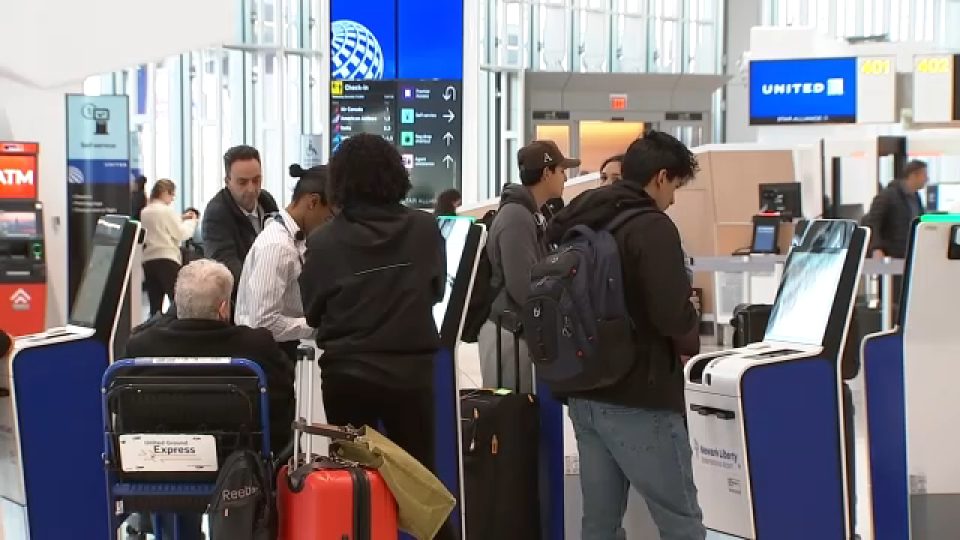
A partial U.S. government shutdown that began on February 14th has left the Department of Homeland Security without funding, and the effects are spilling into airports nationwide. Officers with the Transportation Security Administration (TSA), who screen passengers at more than 430 airports, must continue working without pay until Congress restores funding.
For the nation’s major carriers, American Airlines Group Inc. (NASDAQ: AAL), Delta Air Lines, Inc. (NYSE: DAL), Southwest Airlines Co. (NYSE: LUV), and United Airlines Holdings, Inc. (NASDAQ: UAL), the timing couldn’t be worse. Roughly 95% of TSA’s 60,000-member workforce is deemed essential, yet many now face missed rent, grocery, and childcare payments. Union representatives say most live paycheck to paycheck, adding to mounting stress as spring break travel surges.
Airports feel the strain immediately. At Houston’s William P. Hobby Airport, passengers were urged to arrive five hours early after wait times hit three hours. Hartsfield-Jackson Atlanta International and Louis Armstrong New Orleans International issued similar warnings. While staff try to manage crowds, they cannot replace missing TSA officers.
Reduced staffing means longer lines. During past shutdowns, such as last year’s extended one, unpaid officers began calling out after several weeks, leading to lane closures and flight delays. Although air traffic controllers remain funded and flights continue on schedule for now, security checkpoints have become the new chokepoint.
The ripple effect hits business travelers first, missed connections delay meetings, waste hours, and squeeze productivity. Airlines shuffle gates and crews to limit disruptions, but rising fuel and labor costs leave little flexibility. “The system is strained end-to-end,” said Chris Sununu, head of Airlines for America, urging Congress to resolve the impasse quickly.
The stalemate stems from budget disputes over immigration policy. Democrats want reforms written into DHS funding, while the White House favors separate negotiations. Though last summer’s funding boost helped temporarily, it’s now running out. Most DHS employees continue to work, and some divisions, like Border Patrol, have alternative funding sources. TSA officers do not, and while they’ll receive back pay under a 2019 law, immediate bills can’t wait.
The shutdown’s impact extends beyond airports. Travel drives local economies, hotels, restaurants, and retail near airports rely on steady passenger flow. Delays and cancellations hurt those sectors just as spring break season begins. During the last major shutdown, flight disruptions cost billions. Investors are again watching airline stocks closely; shares dipped as the latest funding lapse dragged on.
Staffing shortfalls add to the problem. TSA lost more than 1,100 officers late last year, a 25% increase in turnover. Replacing and training new hires takes months, leaving checkpoints understaffed during peak periods. The result: missed flights, rebookings, and overcrowded terminals.
Airports are experimenting with fixes, assigning extra staff to manage lines, opening limited-use lanes, and advising passengers to fly earlier or enroll in TSA PreCheck. Still, relief is temporary. Industry groups warn that if the shutdown continues, the situation could worsen quickly.
For now, airlines continue to serve millions each week, keeping passengers moving through an increasingly strained system. Reliable airport security remains essential to traveler confidence and business continuity. Until Congress acts, that system, like the passengers themselves, will continue to wait.
