
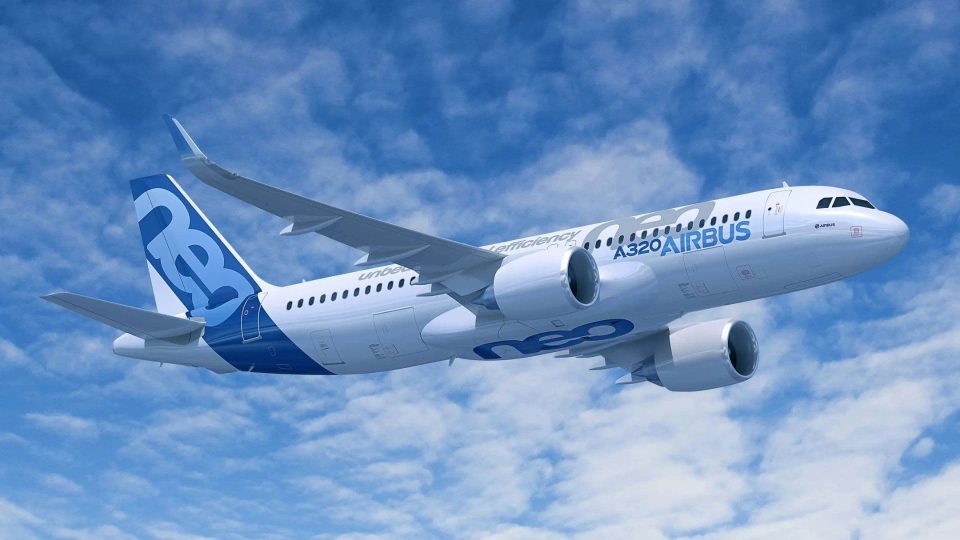
Picture this: a JetBlue flight from Cancun to Newark suddenly dips midair on October 30th, injuring passengers and forcing an emergency landing in Tampa. That jolt came from corrupted data in the elevator aileron computer, or ELAC, which handles a plane’s pitch and roll. Airbus SE (PARIS: AIR) dug into the incident and found intense solar radiation could flip bits in unshielded memory, risking uncommanded movements that stress the airframe. The company flagged about 6,000 A320 family aircraft worldwide running vulnerable L104 software, half its in-service fleet, and sent an Alert Operators Transmission on the end of last week urging immediate action. European regulators at EASA issued an emergency directive effective Saturday, with the U.S. Federal Aviation Administration close behind.
U.S. airlines, leaning hard on the workhorse A320, jumped into overdrive. American Airlines Group Inc. (NASDAQ: AAL) led with over 480 A320 variants, 340 needing fixes that sparked 300 initial cancellations during Thanksgiving rush. Delta Air Lines, Inc. (NYSE: DAL) tackled under 50 planes, JetBlue Airways Corporation (NASDAQ: JBLU) addressed its trigger aircraft, and United Airlines Holdings, Inc. (NASDAQ: UAL) handled just six. Budget carriers like Frontier Airlines and Spirit Airlines, all-in on A320s, checked fleets but kept disruptions low. Operators staggered inspections to dodge chaos, pulling planes at gates or hubs for tweaks before next flights.
The beauty of this fix lay in its speed and simplicity, turning potential disaster into a weekend sprint. For 85% of cases, technicians rolled back ELAC software to stable L103+, a job clocking two to three hours per plane with laptops and basic tools. The rest, around 900 jets, got hardware swaps for pre-upgraded units, sometimes via ferry flights to bases. American Airlines pledged most done by November 29, Delta mirrored that timeline, and by December 1, Airbus reported fewer than 100 aircraft pending globally. Teams worked overnight shifts, even through holidays, proving aviation maintenance can pivot fast when stakes are high.
What made the response click was coordination across airlines, makers, and regulators. Airbus shipped parts express, carriers like easyJet completed scores of updates by Saturday, and British Airways fixed its few affected jets without a single delay. Passengers saw delays, not mass cancellations, as operators prioritized return trips and rerouted crews. This event exposed how solar maximum cycles amplify risks on polar routes, where Earth’s magnetic shield weakens. Business implications rippled to cargo and schedules, but quick hands kept losses in check.
The whole saga wrapped faster than anyone feared, with over 5,900 planes flying again by Monday. Airlines showcased operational grit, validating A320 reliability post-fix while eyeing radiation-hardened upgrades ahead. U.S. carriers like American and Delta turned a solar scare into a masterclass in rapid recovery, ensuring passengers trust returns swiftly.
