
Trade deals between the United States and other countries keep moving forward under the Trump administration. These agreements aim to create balance by reducing tariffs and opening markets on both sides. Let us walk through how this process works in simple terms, using the recent deal with Indonesia as a clear example.
Countries often impose tariffs, which are taxes on imported goods, to protect their own industries. High tariffs make foreign products more expensive and less competitive. The U.S. has used this tool aggressively in recent years to push for fairer terms. Negotiators from both sides meet over multiple rounds to discuss what each country wants. They trade concessions, like lowering taxes on certain goods, in exchange for promises to buy more products or ease other rules. This back-and-forth can take months, but it leads to pacts that boost exports and jobs at home.
In the case of Indonesia, talks heated up after the U.S. threatened steep tariffs last year. Officials from Washington and Jakarta held seven rounds of discussions and made four trips to the U.S. capital. The goal was simple: find middle ground that helps both economies without one side losing too much. Indonesia, a major player in Southeast Asia with rich resources like palm oil and minerals, needed access to American buyers. The U.S., meanwhile, wanted its farmers, manufacturers, and tech firms to sell more freely there.
The deal, signed on yesterday, sets U.S. tariffs on most Indonesian goods at 19%, down from a threatened 32%. This rate applies broadly, but some items get breaks. For example, Indonesia now enjoys zero tariffs on exports like coffee, spices, rubber, chocolate, and possibly palm oil, its top product. In return, Indonesia agreed to drop tariffs on over 99% of U.S. imports across sectors like agriculture, healthcare, seafood, tech, cars, and chemicals. The White House noted this opens doors for more than $30 billion in American goods sales, including energy, aircraft, soybeans, beef, and cotton.
Washington also granted exemptions for certain Indonesian clothing and textiles made with U.S. cotton or man-made fibers. This quota system will be detailed later, but it ties directly to American inputs, creating a cycle of trade. Indonesia pledged to scrap non-tariff hurdles too, such as import licenses for food, local content rules, and checks on minerals. It will adopt U.S. standards for vehicle safety, emissions, drugs, and devices. Digital trade gets a lift as well, with no duties on electronic transmissions and fair play for U.S. payment firms.
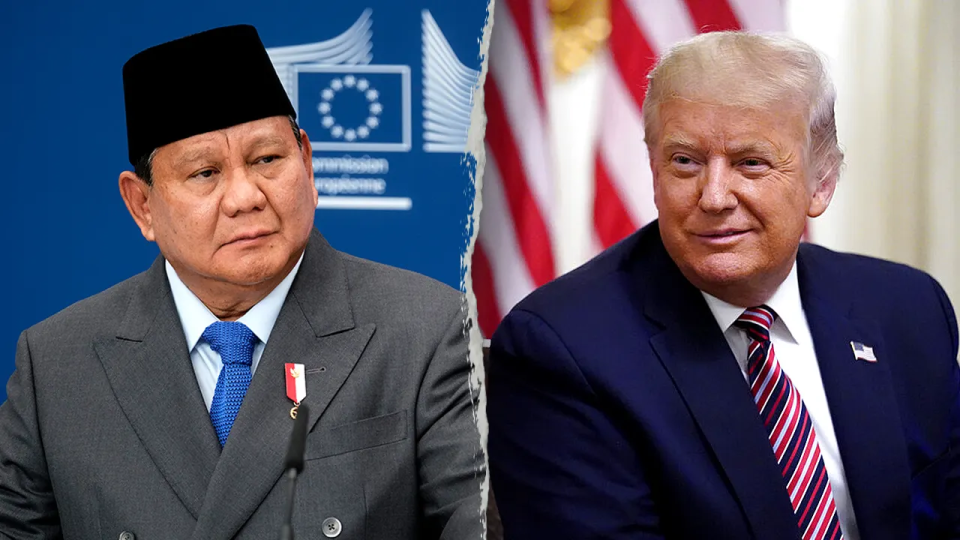
U.S. Trade Representative Jamieson Greer called it a step that “breaks down trade barriers” while serving American interests. Indonesia’s Coordinating Minister for Economic Affairs Airlangga Hartarto agreed, saying about 90% of Jakarta’s tariff asks were met. Both leaders, President Trump and President Prabowo Subianto, signed off during a Washington meeting, stressing mutual prosperity and supply chain strength.
This Indonesia pact fits a larger pattern. The U.S. has struck similar deals with Malaysia and Cambodia, locking in reduced tariffs after tough talks. The approach favors reciprocity: you lower ours, we lower yours, but at rates that favor U.S. leverage. Commercial side agreements sweeten it, like Indonesia’s buys of Boeing planes or U.S. energy. Critical minerals, key for green tech and defense, often feature prominently, as Indonesia holds vast reserves.
These pacts take effect after domestic approvals, usually within 90 days. They sidestep big multilateral talks, like those at the World Trade Organization, for quicker bilateral wins. Challenges remain, such as enforcing rules or handling transshipments from places like China. Yet the results show trade can shift fast when leaders prioritize it.
Future deals may target more Asian or Latin American partners, focusing on energy, tech, and agriculture. Businesses watching this space should track how quotas and standards evolve. For everyday readers, it means cheaper imports in some cases and more U.S. products abroad, rippling through prices and jobs. The Indonesia example proves patient negotiation pays off for balanced growth.
