
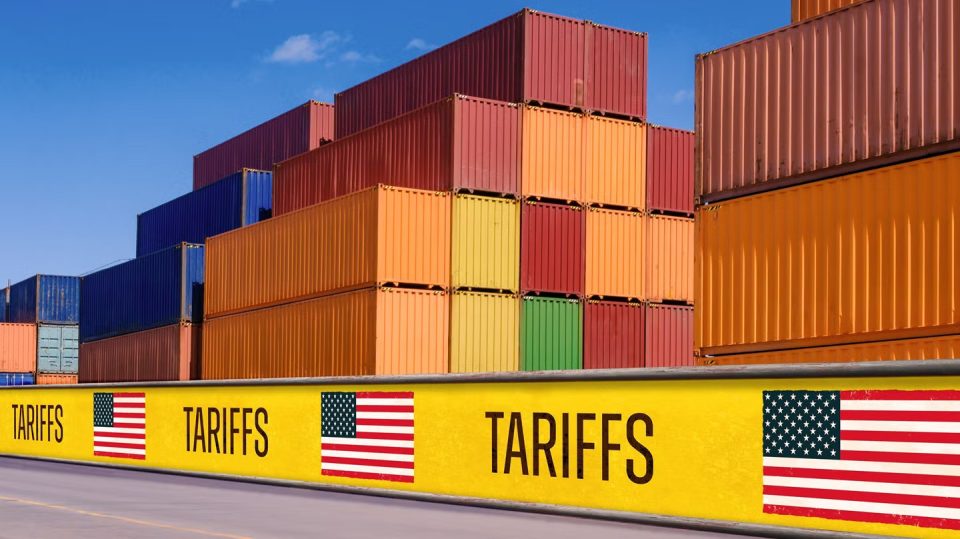
The flow of container imports into the United States has taken a significant hit in 2025, with volumes shrinking in recent months as the effects of ongoing tariff policies continue to reverberate through global trade. After a period of robust cargo movement earlier this year, signs of contraction have become increasingly evident, raising concerns about the broader implications for supply chains, retailers, and consumers alike.
Recent data reveal that U.S. container imports decreased by around 7.6% between July and August, with a year-over-year decline of approximately 3% in August. September’s numbers painted an even more striking picture with an 8.4% drop compared to the same month last year. This period also saw imports from key trading partners, including China, contract sharply, with Chinese shipments falling by nearly 23% year-over-year. These figures follow a July peak when many importers accelerated deliveries to avoid anticipated tariff hikes, a strategy that cushioned earlier months but now appears to have given way to a more pronounced downturn.
Tariffs imposed over the past year remain a central factor shaping these trends. While many of these taxes were implemented months ago, their full impact is only now intensifying as businesses recalibrate their operations and inventories. Experts forecast that container imports will decline by an estimated 17.5% in the final five months of 2025, compared with the previous year. Such a drop would mark one of the largest annual contractions in U.S. container traffic in more than six decades, underscoring how policy decisions can ripple through trade volumes over extended periods.
Port operations are feeling the pressure as well. Major U.S. seaports could see container throughput slip below 2 million twenty-foot equivalent units (TEUs) per month for the rest of the year, a level not observed since 2023. For the full 2025 calendar year, total container volumes are expected to reach roughly 24.1 million TEUs, down 5.6% from last year. The National Retail Federation highlights the growing burden tariffs place on supply chains, pointing to higher costs that are ultimately passed onto consumers and more fragile margins for smaller businesses. According to Jonathan Gold, NRF’s Vice President of Supply Chain and Customs Policy, the trade environment created by expanding tariffs contributes to uncertainty that complicates planning and investment decisions for many companies.
The decline in containerized imports also reflects broader economic shifts. Earlier peak-season activity that pulled shipments inward ahead of tariff changes, coupled with ongoing labor market tightness and inflationary pressures, has dampened consumer demand. Forecasts from firms such as Morgan Stanley predict slower growth in U.S. consumer spending in 2025 compared to the previous year, adding to caution among importers and distributors.
Industry voices note that the unpredictability generated by tariff uncertainty disrupts shipping schedules and supply chain management. Shipping alliances have reduced sailings to adjust capacity in response to fluctuating demand, which can tighten availability and push freight costs higher. Meanwhile, the export sectors of major suppliers to the U.S., including China, have faced sustained pressure as trade barriers affect volumes and sourcing strategies.
Although global container trade overall continues to set records, the experience of the U.S. market this year highlights the tangible consequences tariffs can have. They not only reshape trade flows but also introduce challenges for businesses and consumers navigating a complex and evolving economic landscape. The trajectory of U.S. container imports in the coming months will likely remain cautious, with tariff policies and related trade negotiations playing crucial roles in shaping outcomes.
The recent data serve as a reminder that trade policy decisions cast long shadows. As import volumes contract and businesses adjust, the ripple effects extend beyond ports to involve supply chains, retail shelves, and ultimately the costs paid by consumers.
