
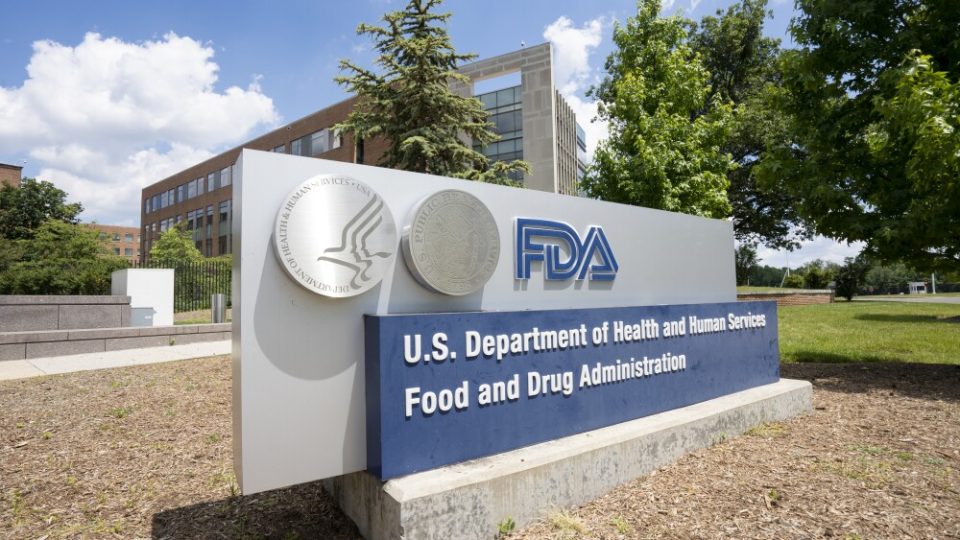
The U.S. Food and Drug Administration recently started its PreCheck pilot program. This move targets a key weak spot in the country’s medicine supply: too much production happens overseas. Right now, more than half of the drugs Americans use come from foreign factories, and only 11% of the active ingredients in those drugs get made in the U.S. That setup leaves the nation exposed to shortages, shipping delays, and even security risks if global tensions rise. PreCheck aims to fix this by making it easier to build and approve new manufacturing plants right here at home.
Drugs reach pharmacies through a long process. A company first designs a medicine and runs clinical tests. Once that works, they need a factory to make it at large scale. Normally, they wait until everything is ready before asking the FDA for a full review. That can mean years of back-and-forth, surprise inspections, and delays if something does not match up. PreCheck flips that script with a two-phase setup. In the first phase, called Facility Readiness, builders talk to the FDA early, often before the plant even opens. They share designs, get feedback on layouts and processes, and create a special Drug Master File that covers the site’s details. This file helps when they later submit plans for a specific drug. The second phase kicks in once they file for drug approval. Here, the FDA uses what they learned earlier to speed up meetings, fix issues fast, and inspect with less hassle. All this happens before the final green light on the product.
This program did not come out of nowhere. The FDA gathered input from drug makers at a public meeting back in September and through official comments. Companies pushed for exactly this kind of early chat and simpler paperwork. It also ties into a bigger push from Executive Order 14293, which calls for more homegrown production of vital medicines. To join, new factories must promise to make drugs there for at least three years after approval and hit timelines that match national needs, like filling shortages or using American ingredients where possible. The FDA picks participants based on factors such as what they plan to produce, how fast they can start, and if they bring fresh ideas to building or running plants. They will choose the first group and start work in 2026.
Now, consider the ripple effects on the U.S. pharmaceutical industry. Building factories stateside costs more upfront than using established spots overseas, but PreCheck lowers the risk. Companies get clear guidance from day one, so they avoid costly redesigns or rejected plans later. That could draw investment into new sites, especially for sterile injectables or drugs in short supply, which often face the tightest scrutiny. Over time, more local plants mean fewer disruptions from global events, like pandemics or trade fights. The industry might see a shift where contract manufacturers and mid-sized players lead the way, since the program welcomes those with solid experience or strong partners. Supply chains get tougher, with less reliance on far-off suppliers. Patients benefit too, as steadier access to medicines becomes the norm.
What about getting new drugs to market? PreCheck touches approvals in a practical way. Under today’s rules, the FDA reviews factory details only when a drug application lands on their desk. If the site fails inspection, the whole application stalls, sometimes by months. With PreCheck, that review starts early. Phase one clears most facility hurdles upfront, so when phase two arrives with the actual New Drug Application or similar filing, the focus shifts to the drug itself: safety data, trial results, and labeling. This could shave time off the typical 10 to 15 years from lab to shelf, especially for priority drugs. Approvals might flow faster for innovative therapies or generics needed now, without skimping on safety checks. Developers still need solid science, but they face fewer manufacturing surprises. For the industry, this means quicker returns on research dollars and an edge in crowded markets.
PreCheck opens a door for builders who align with what the country needs most. It rewards speed, domestic sourcing, and focus on critical drugs, while keeping oversight tight. Pharma firms weighing U.S. expansion now have a real incentive to act. As more plants come online, the sector edges toward self-reliance, and new medicines reach those who need them sooner.
