
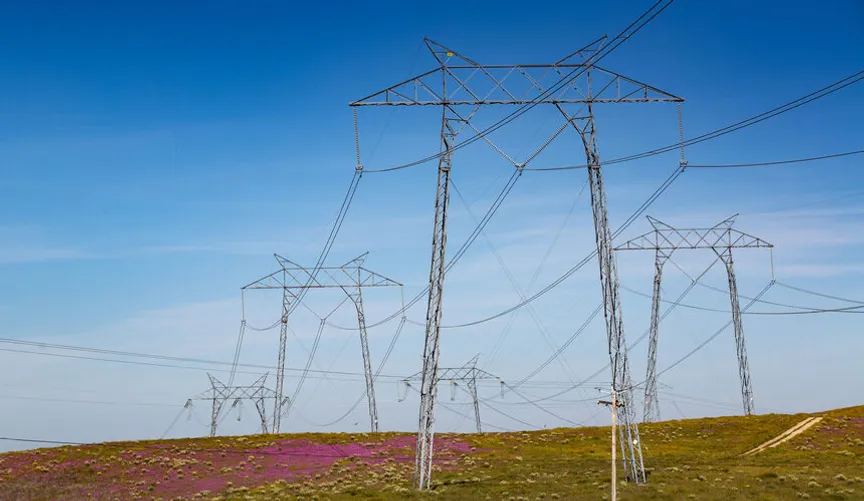
Utilities across the U.S. are lining up some of the largest investments in their history. A recent study from PowerLines, a nonprofit focused on utility reform, shows that investor-owned utilities plan to spend at least $1.4 trillion on capital projects through 2030. This marks a more than 20% jump from plans outlined just a year ago.
That kind of money goes toward building new power lines, upgrading old ones, and adding generation capacity. About half of the total targets grid improvements, while 30% focuses on new power plants. The rest covers other needs like system reliability. PowerLines based this on reviewing earnings calls from 51 major utilities. Those conversations revealed how companies are responding to fast-growing electricity needs.
Artificial intelligence sits at the heart of this spending wave. Data centers that run AI models guzzle electricity, often around the clock. More than 30 utilities mentioned data centers as a key driver in their plans. Demand from these facilities could push data center electricity use to 9% of total U.S. consumption by 2030, up from 4% in 2023.
Utilities expect peak loads to double in some areas by the end of the decade. This comes alongside other pressures like electric vehicles, factory electrification, and harsher weather that damages lines. AI stands out because it requires steady, massive power that existing grids struggle to deliver. Companies now sign long-term contracts with data center operators to lock in that growth.
Duke Energy Corporation (NYSE: DUK) leads with one of the biggest plans. The company raised its five-year budget to $103 billion through 2030, with heavy focus on grid work and new generation. Around 65% goes to infrastructure that handles rising loads, including from data centers.
Southern Company (NYSE: SO) follows closely, boosting its spending to $81 billion over the same period. This covers 10 gigawatts of new power plants and grid hardening. The utility ties much of this to load growth in its Southern states territory.
American Electric Power Company, Inc. (NASDAQ: AEP) projects $72 billion in capex, up 33% from prior estimates. It anticipates 65 gigawatts of peak demand by 2030, with data centers claiming a big share. Transmission projects, like high-voltage lines, form a core part of its strategy.
These investments do not come cheap. Utilities recover costs through rate hikes approved by state regulators. Residential bills have climbed about 40% since 2021 in many areas. PowerLines warns that customers could face more increases, with residential users bearing nearly half the burden in some forecasts.
Regulators and policymakers watch closely. Groups like PowerLines urge utilities to squeeze more from existing systems first, like better efficiency or demand management. Still, the scale of AI growth leaves little choice but to build. The U.S. South, home to many data centers, accounts for about half the planned spending.
These companies show how regional leaders adapt. Their moves reflect a broader shift as utilities balance reliability with rising costs. Data center deals provide revenue stability, but execution will test the grid’s future.
This building frenzy sets the stage for how America powers its tech-driven economy. Utilities must deliver without overwhelming everyday users. The next few years will reveal if these trillions turn into a stronger, more capable network.
