
Electric vehicles promise cleaner streets and less dependence on fossil fuels, but they come with a big catch: where do all those cars plug in? Across the U.S., the push for EVs has outpaced the buildout of charging stations. Drivers often hunt for spots that are either too slow, too far apart, or plain unavailable, especially on long trips or in busy urban zones. Experts point out that the country needs tens of thousands more fast chargers to match the growing number of EVs on the road. Right now, public stations number around 60,000 in the U.S., with many clustered near highways or affluent areas, leaving rural spots and dense cities underserved. This gap slows adoption. People hesitate to switch when recharging feels like a chore. Federal programs aim to add 500,000 stations by 2030, yet progress lags due to high costs, grid limits, and local red tape. In places like California and Texas, blackouts and overloaded power lines add another layer of worry. Without reliable plugs everywhere, EVs stay a niche choice rather than everyday transport.
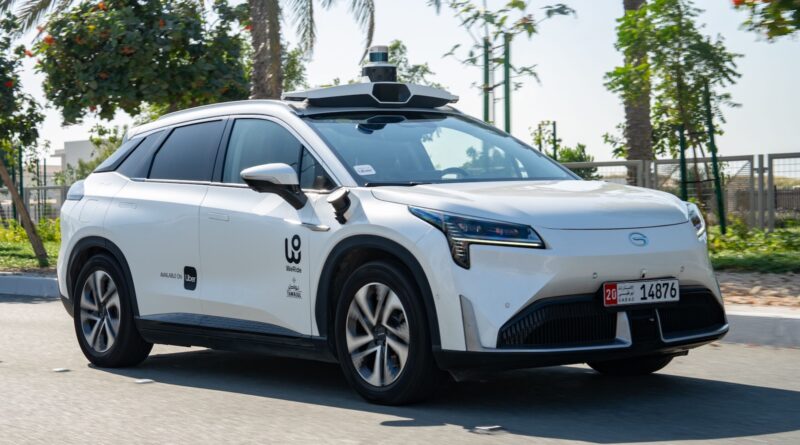
That shortage hits ride-hailing services hard. Companies like Uber Technologies Inc. (NYSE: UBER) rely on quick turnarounds. A driver waiting 30 minutes to charge cuts into earnings and frustrates riders. Autonomous vehicles, or robotaxis, make this issue even sharper. These self-driving cars run nonstop, racking up miles that demand frequent, high-speed top-ups. Robotaxis work like regular taxis but without a human at the wheel. Sensors, cameras, and AI let them navigate, pick up passengers, and drop them off on their own. Alphabet Inc. (NASDAQ: GOOGL, NASDAQ: GOOG) launched the first big robotaxi tests years ago through its Waymo unit, proving the tech in cities like Phoenix. Now others join in, betting driverless fleets will slash costs by 50% or more over time.money.
Uber enters this race with a hands-on approach to charging. The company just announced plans to invest over $100 million in fast-charging hubs tailored for autonomous vehicles. These stations focus on direct current fast chargers that juice up a car in under 30 minutes, perfect for high-use fleets. Uber picks three starting markets: the San Francisco Bay Area, Los Angeles, and Dallas. Each spot ties into robotaxi launches with partners. In the Bay Area, expect Lucid and Nuro vehicles to hit Uber’s app soon, building on tests already underway. Dallas offers open roads for scaling up, while Los Angeles brings dense traffic and tech-savvy users. The funds cover land, gear, grid hookups, and setup costs. A company spokesperson noted this owns some chargers outright, which boosts efficiency and keeps vehicles moving longer.
Take Los Angeles first. Uber already handles Waymo’s fleet there indirectly, managing cleaning and checks through partners. New hubs will sit near depots and pit stops, easing the flow for self-drivers. LA drivers today gripe about crowded public chargers, especially renters without home outlets. Uber’s move could add hundreds of plugs via deals with firms like EVgo, guaranteeing use to speed rollout. Picture robotaxis zipping from LAX to Hollywood, recharging in minutes between fares. This builds on Uber’s local EV push, where surveys show charging access trumps price worries.
The Bay Area tells a similar story. San Francisco streets already host Waymo rides, though on their own app. Uber plans Volkswagen autonomous vans alongside Lucid and Nuro models. Hubs here tackle hilly terrain and traffic snarls, placing chargers at fleet bases. With blackouts a risk in California, Uber eyes grid-tied setups that ease peak loads. Dallas rounds it out. Texas booms with EV growth, but chargers lag outside Austin. Uber’s Dallas hubs support broader robotaxi tests, drawing from partnerships in nearby Austin. All three markets let Uber learn fast: site selection, partner coordination, and daily ops.
This fits Uber’s bigger play. The firm partners with over 20 autonomy developers worldwide, from freight to taxis. It runs robotaxis in Austin, Atlanta, and abroad in Dubai. Investments in Lucid, Nuro, and others include fleet buys for its platform. Deals with charger operators span New York to Paris, promising over 1,000 new spots globally. Uber shifted EV perks last year after finding drivers prioritize plugs over bonuses. Now, it bets infrastructure wins the long game.finance.
Challenges remain. Wall Street questions if robotaxis kill human drivers’ jobs. Regulators slow approvals. Competitors like Tesla loom with their own fleets. Still, Uber positions as the operations pro, handling the messy parts like charging and maintenance. As EVs multiply toward 10 million U.S. units soon, stations like these fill a void. Cities gain quieter, cleaner rides. Drivers get reliable work. Robotaxis might just turn sci-fi into routine.
