
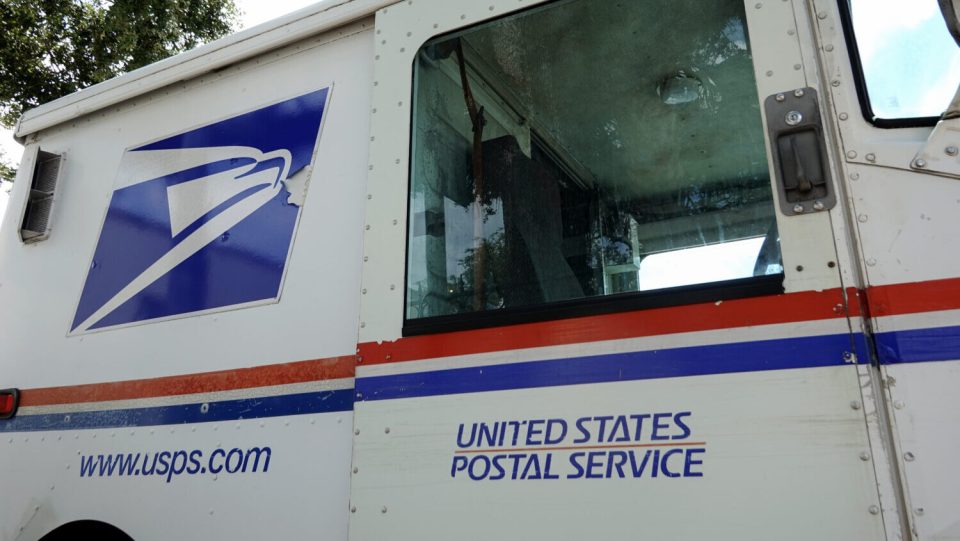
Few institutions feel the rhythm of the calendar more sharply than the United States Postal Service. Each December, post offices everywhere brace for their busiest season as millions of cards, gifts, and online orders flow through sorting centers that operate around the clock. The rush is both a test of endurance and a reminder of the Postal Service’s crucial role in connecting a country that still depends on physical delivery even in a digital age.
The U.S. Postal Service, or USPS, estimates that the 2025 holiday period will bring in more than 11 billion mail pieces and packages between Thanksgiving and New Year’s Eve, similar to last year’s tally . This is an extraordinary logistical challenge, especially for a self-funded government agency that must serve every address in the nation regardless of distance or density. While private carriers can adjust routes or fees based on profitability, USPS cannot. That universal service obligation is both its public duty and its economic constraint.
By late 2025, USPS remained under financial pressure. Although operating revenue for the fiscal year ended September 30, 2025, is expected to exceed $79 billion, analysts project another net loss, likely around $3 billion to $4 billion, continuing a twelve-year stretch of red ink. A mix of inflation, labor expenses, and declining mail volumes have eroded gains from package growth. First-Class Mail, historically its most profitable segment, continues to fall as more bills and correspondence move fully online.
The agency’s “Delivering for America” plan, launched in 2021, sought to steer the network toward long-term sustainability by modernizing operations, consolidating facilities, and raising rates more frequently. Some measures have shown promise, especially in stabilizing service times and expanding automation capacity, yet profitability remains elusive. Management has recently suggested additional steps, including revising service standards and developing new revenue streams such as expanded shipping logistics for businesses.
At the heart of USPS’s dilemma lies its universal delivery mandate, a commitment that every home and business, from dense cities to remote rural roads, receive mail at least six days a week at uniform rates. This principle is central to the Postal Service’s mission but limits its flexibility to cut costs. Servicing routes that stretch across vast rural distances is expensive, especially when mail volumes have dropped sharply since the early 2000s. Still, public surveys consistently show strong support for maintaining national coverage, even if it means ongoing financial strain.
Among the Postal Service’s biggest partners is Amazon.com, Inc. (NASDAQ: AMZN). The e-commerce giant relies on USPS for what the industry calls “last mile” delivery, the final leg of a package’s journey to a customer’s doorstep. Though Amazon has built its own logistics fleet, USPS’s unparalleled coverage and existing route density make it the most cost-effective option for reaching every U.S. household, especially in rural or less populated regions. The relationship is symbiotic: USPS gains steady parcel volume, while Amazon gains nationwide reach without duplicating costly infrastructure.
Still, online retail brings volatility. Peak-season surges often stretch postal capacity, forcing temporary workforce expansions and overtime. Every year, the holiday demand underscores how tightly consumer habits and USPS finances are linked. When e-commerce grows, packages help offset shrinking letter mail. Yet the economics remain marginal because handling parcels is labor-intensive and more costly per unit than traditional mail.
Looking ahead, the Postal Service is considering gradual rate adjustments, equipment modernization, and continued efficiency improvements. The Postal Regulatory Commission has supported rate flexibility to help close the revenue gap, though consumer advocates caution that steady price hikes could push volume even lower. Meanwhile, the agency continues to automate its largest processing centers and retire aging vehicles to reduce maintenance costs. These moves may not restore profitability quickly, but they reflect an effort to balance fiscal responsibility with a public promise of service.
As 2025 closes, the U.S. Postal Service finds itself in a familiar position: indispensable yet under pressure. The holiday rush once again highlights both its operational skill and financial vulnerabilities. For now, Americans continue to trust that their cards and packages will arrive on time, carried by a system that remains one of the most extensive delivery networks in the world, still fulfilling a universal promise in an economy that increasingly measures value by speed and efficiency.
