
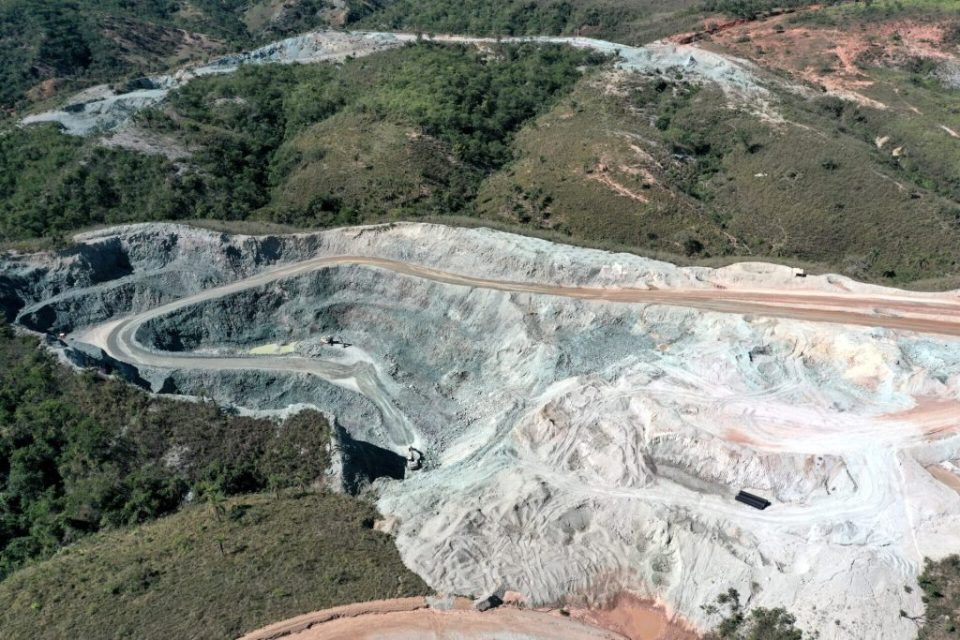
When it comes to rare earths, most headlines focus on mega projects in China or Australia, but a new project in Brazil is kicking off that could shift some of the attention south. On October 7, 2025, Verde AgriTech (TSX: NPK OTCQX: VNPKF) began drilling at a district scale clay-hosted rare earth discovery in the Alto Paranaíba region, Minas Gerais. This area is better known for potash than rare earth elements, but it could soon add a new chapter to Brazil’s mining story, courtesy of experienced hands and local infrastructure built up over the past fifteen years.
The drill campaign is ambitious: a second rig is being trucked in within days and a third will be mobilizing before month’s end. Verde isn’t easing into this. The aim is to quickly zero in on the highest-quality resources, confirm metallurgy, and plot the speediest feasible route to production. While that might sound like internal operational talk, it matters for a simple reason, building out rare earth resources is slow almost everywhere, and rapid progress can make a difference in a market still sensitive to supply security.
Why rare earths? These elements don’t make the news often, but they’re essential for electric vehicles, advanced wind turbines, and many electronics. The world is perpetually anxious about where they’re sourced, just ask the auto and renewable energy industries. Among the key elements being targeted at Alto Paranaíba are neodymium and praseodymium, the building blocks for magnets found in EV motors and turbines, and even some smartphones. The project’s early sampling showed promising numbers for these magnet-grade inputs, averaging almost a fifth of the total rare earths found in test samples, and the highest values spiked even higher.
But where does Verde’s drilling fit into the bigger picture? Unlike greenfield juniors, Verde has been active in this exact region for over a decade and a half, running two mines and building robust processing plants that support a local fertilizer business. What this brings isn’t just local know-how, but a head start. The same teams, labs, vehicles, and crucially, the upgrades to roads and power lines, are now being put into service for this rare earth initiative. CEO Cristiano Veloso put it succinctly: success here doesn’t come at the expense of Verde’s low-carbon fertilizer operations, given that much of the organizational infrastructure is already in place.
Another cornerstone for the project is the size and continuity of the resource. Verde recently revealed that its mineralized zone covers around 5,500 hectares, defined not just on paper, but confirmed by mapping, trench sampling, and early lab results. Of seventy-five samples analyzed, most logged strong readings, and more than two dozen exceeded what many in the industry consider high-grade marks for magnet rare earth content.
Every new resource needs a credible plan for advancement. At Verde, chevrons point to a board review set for mid-October, where the formal project name and key long-term milestones will be announced. Early metallurgical test work is already underway, aligning with what investors and downstream manufacturers look for in rare earth projects: evidence of ionic adsorption clays, a flowsheet that works, and timelines that investors can believe in.
There’s no guarantee that early excitement will turn into commercial barrels or tons. Brazil’s mining sector is known for both opportunities and regulatory complexities. But more companies are looking to countries beyond China and Australia to meet tomorrow’s rare earth demand, and Verde’s business model already includes a commitment to environmental stewardship and carbon capture alongside agricultural productivity.
