
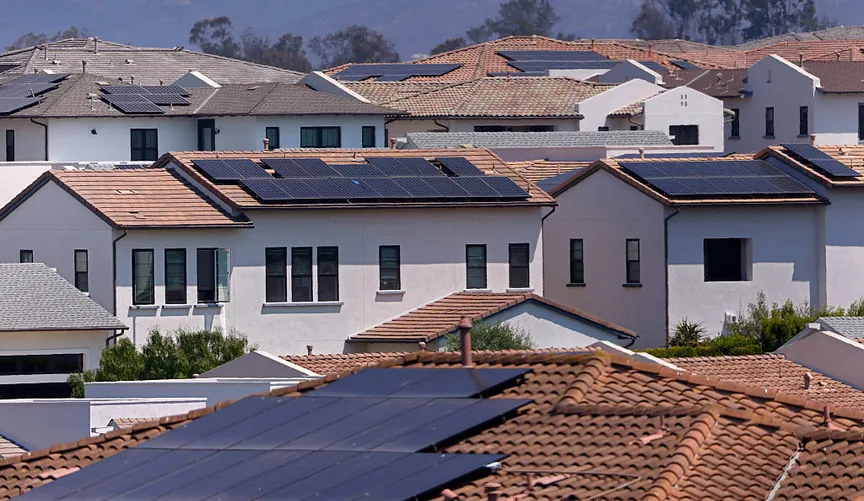
For a lot of California homeowners, the story is familiar: electric bills keep climbing, wildfires and heatwaves trigger more blackouts, and the grid feels stretched to the limit. A Los Angeles startup called Haven Energy Inc. thinks it has the fix, and investors are betting big on it.
The company just raised $40 million in new funding, an equity round led by Giant Ventures plus a debt facility from Turtle Hill. The deal also drew support from names like California Infrastructure Bank, Comcast Ventures, and Lerer Hippeau. It’s a strong show of confidence in a market where home energy is getting more unpredictable by the month.
Haven makes it simple for households to add solar panels and batteries without all the headaches. Founded by veterans from Casper and Bulb Energy, the company manages everything from permits to grid hookups. Its leasing model spreads the cost out over time, so homeowners can power up without massive upfront payments.
It’s also good news for local electricians. Through Haven’s Channel Partner Program, independent installers get access to tools for planning, procurement, and permitting. That makes it easier for small shops to offer battery systems to the thousands of Californians who already have rooftop solar.
The new funding helps Haven expand collaborations with utilities and community choice aggregators, regional groups that buy electricity and offer greener power options. These partnerships create virtual power plants (VPPs), where hundreds of home batteries link together to supply the grid during peak hours. It’s a win-win: homeowners earn credits or payments for sharing stored energy, and utilities avoid building costly new power plants.
One big example is Haven’s work with Clean Power Alliance, California’s largest CCA, which is rolling out its first VPP across hundreds of homes. For many families, the credits from that setup can cover most, if not all, of their battery leasing fees.
This shift comes as state policy pushes solar and storage in a new direction. The California Public Utilities Commission updated net metering rules, lowering payments for exported solar power but boosting incentives for on-site storage. Meanwhile, federal and state programs sweeten the deal, a 30% federal tax credit through 2032 and local rebates that can hit $1,000 per kilowatt-hour. No wonder home battery installations jumped 81% nationwide last year, with California leading at more than 40% of U.S. capacity.
Inside the company, growth has been fast. CEO Vinnie Campo, a former energy trader, and CPO Jeff Chapin, a product designer from IDEO, focus on reliability and simplicity. Their team has tripled in less than two years and doubled revenue quarter over quarter as interest surged.
Looking ahead, Haven is exploring even smarter energy networks. Think electric vehicles that double as backup batteries through vehicle-to-grid tech, or bigger VPPs that could trim grid costs by up to 30%. For homeowners, that means smaller bills, sometimes slashed by 50–90% and days of backup power during outages.
With California aiming for 100% clean energy by 2045, Haven sees every home battery as a small but vital building block. As prices for storage systems fall and demand response markets expand, the company’s vision of a decentralized, resilient power grid starts to feel less like a distant dream and more like the new normal, one home at a time.
