
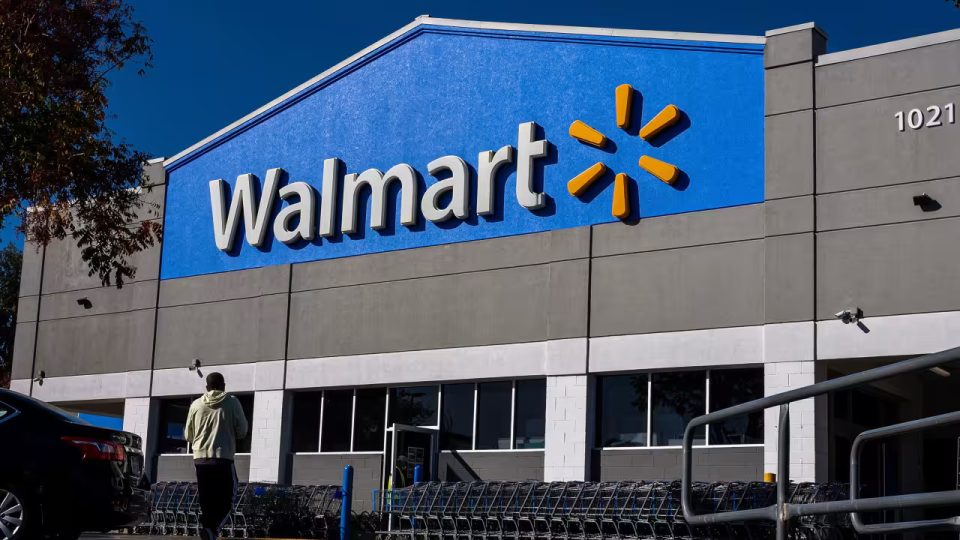
Walmart (NASDAQ: WMT) crossed a major threshold this week. Its market capitalization topped $1 trillion for the first time on Tuesday. This puts the biggest retailer in the U.S. into a group that few companies ever reach.
What makes this stand out is how rare it is for a non tech company to get there. Most firms with market values over $1 trillion come from technology. Think about giants like Apple, Microsoft, or Nvidia. They rely on software, chips, and digital services to drive huge growth. Walmart stands apart as a traditional retailer and grocer. Berkshire Hathaway counts as another exception with its insurance and investments. Saudi Aramco fits too with oil production. Beyond those, the list stays heavy on tech names. Walmart now sits around 12th on the global rankings of most valuable companies.
The stock climb tells a story of change at Walmart. Shares rose more than 24% over the past year. They gained over 11% just in 2026 so far. This beat the S&P 500 index, which saw close to 16% in the year and 2% this year. Strong performance came from customers who kept shopping even as prices rose elsewhere. Walmart draws in people looking for value, especially in groceries.
A big shift fuels this success: Walmart’s move into digital sales. Online shopping now makes up a larger slice of its business. The company built this through heavy investment in e commerce over years. During the pandemic, Walmart sped up its online efforts. It added same day pickup and delivery options that stuck around. Now, digital sales grow faster than stores alone could manage. Walmart+ membership helps too. This service offers free shipping and fuel discounts for a fee. It pulls in loyal shoppers who buy more across categories.
Acquiring new customers plays a key role. Walmart reaches beyond its usual crowd. Younger buyers turn to the app for quick orders. Partnerships boost this reach. For example, a tie up with OpenAI lets people shop through ChatGPT for items like clothes or packaged goods. This blends retail with AI tools in fresh ways. Such steps show Walmart adapting tech without losing its core as a physical store network.
Grocery strength adds steady ground. Food sales hold up in any economy. People need basics, and Walmart keeps prices low. This draws budget conscious families. The company runs over 10,000 stores worldwide. That scale lets it buy goods in bulk and pass savings on. Combine this with digital growth, and revenue climbs across channels.
Numbers back the momentum. Recent quarters show sales up double digits online. Overall revenue hit record highs last year. Profits grew as costs came under control. The market rewards this mix. Investors see Walmart as reliable when tech stocks wobble.
This milestone marks progress from humble starts. Sam Walton opened the first Walmart in 1962 in Arkansas. It grew into a coast to coast chain by the 1990s. The company went public in 1970. Market cap built slowly at first. By 2025, it neared $800 billion. The final push came from digital wins and steady traffic.
Reaching $1 trillion opens questions for the road ahead. Walmart faces rivals like Amazon in online space. Tariffs or supply shifts could hit costs. Still, its blend of stores and tech sets it apart. Investors watch if this growth sustains. Walmart proves retail can compete at the top.
Other retailers eye this path. Target and Costco gain online too. None match Walmart’s size yet. The trillion mark highlights how digital shifts change old rules. Traditional business adapts or falls back. Walmart leads that change for now.
