
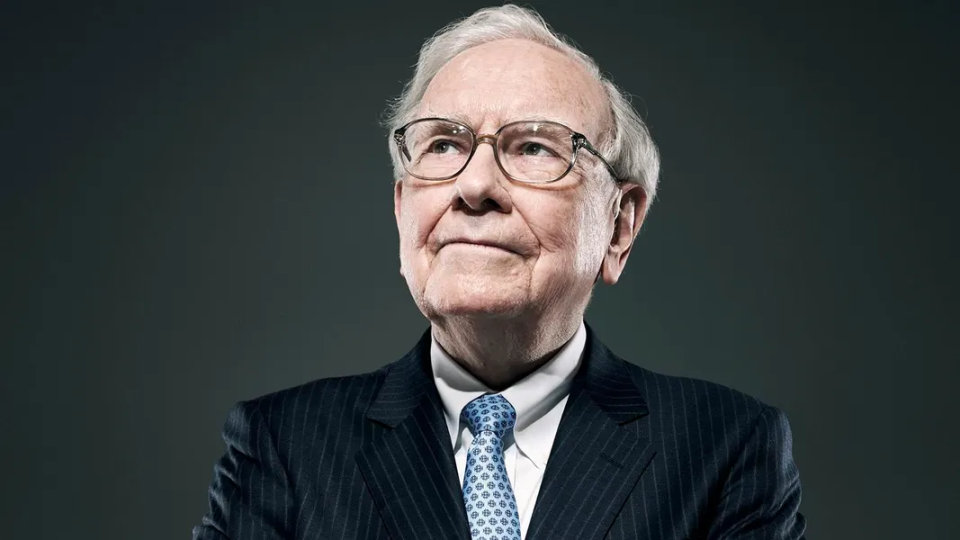
Warren Buffett, the investor many call the Oracle of Omaha, has spent decades building one of the world’s largest fortunes. At 95 years old, he recently shared plans for what happens to it after he is gone. His entire estate will flow into a new charitable foundation run by his three children: Susan, Howard and Peter Buffett. They spoke about this in a rare interview with CNBC’s Becky Quick, opening a window into their family approach to money and giving.
The setup comes with a clear rule. Buffett wants every dollar given away within 10 years of his death. This timeline sets his plan apart from many large foundations that spread donations over generations. His children agreed to the pace, saying it matches their father’s lifelong views on using wealth quickly for real impact. Susan focuses on social justice, Howard on food security and global conflicts, and Peter on arts and social change. Their priorities took shape around the family dinner table, where giving back was just part of life.
This move fits into a larger pattern among some billionaires. Over recent years, more ultra-wealthy individuals have pledged chunks of their fortunes to causes like health, education, and poverty relief. The Giving Pledge, started in 2010 by Buffett and Bill Gates, asks signers to commit at least 50% of their wealth to charity. Over 240 people have joined, including names like MacKenzie Scott and Michael Bloomberg. Their gifts often target systemic issues, from climate change to inequality, and total billions each year. Yet not every billionaire follows suit. Elon Musk, with a net worth over $700 billion, has donated relatively little through formal channels and skipped the Giving Pledge. Larry Ellison, Oracle’s founder, also stands out for keeping most of his wealth tied to business ventures rather than large scale philanthropy.
Buffett’s children trace their outlook to early lessons from their parents. Their mother, Susan Thompson Buffett, pushed for hands-on involvement in community work. She volunteered and taught her kids to see wealth as a tool for others, not just security. Howard recalls trips to soup kitchens, while Peter credits music programs that shaped his path. This household norm contrasts with the boardroom battles or market bets that define their father’s public story. Now, as stewards of tens of billions, they face the task of turning abstract dollars into concrete help, all before the decade mark.
The 10-year deadline adds urgency to their work. Foundations like the Gates Foundation operate on longer horizons, building endowments that last indefinitely. Buffett’s choice pushes for speed, aiming to tackle problems in his lifetime’s shadow. His kids see it as a challenge that keeps giving fresh and focused. They plan to blend their causes into a unified effort, avoiding silos that slow other groups. Howard’s farming expertise might fund hunger relief, Susan’s advocacy could lift marginalized voices, and Peter’s creativity might spark youth programs. Together, they aim to honor their father’s intent without losing their own voices.
Billionaires who hold back spark debate in business circles. Musk channels funds into his companies like SpaceX and Tesla, arguing they advance humanity more than traditional charity. He has given to causes like disaster relief, but totals stay small next to his fortune. Ellison invests in biotech and islands, with philanthropy often through his own foundation at a measured pace. Critics say this keeps control close, while supporters point to innovation over handouts. Buffett’s path, by contrast, bets on his children’s ability to execute fast and wide.
The Buffett plan raises questions for other tycoons. Family run foundations can amplify personal passions but risk overlap or bias. Buffett trusts his heirs’ track records: Susan with the Sherwood Foundation, Howard through his own group aiding Ukraine and Africa, Peter via NoVo and music initiatives. Their interview revealed no major rifts, just shared roots in a giving culture. As they prepare, the business world watches how this fortune shifts from stocks to streets.
This story blends one man’s exit strategy with broader shifts in wealth handling. Buffett’s direct approach may inspire copycats or critiques. His children now carry the load, turning family talks into global action within a tight window. The outcome could redefine how the richest handle their legacies.
