
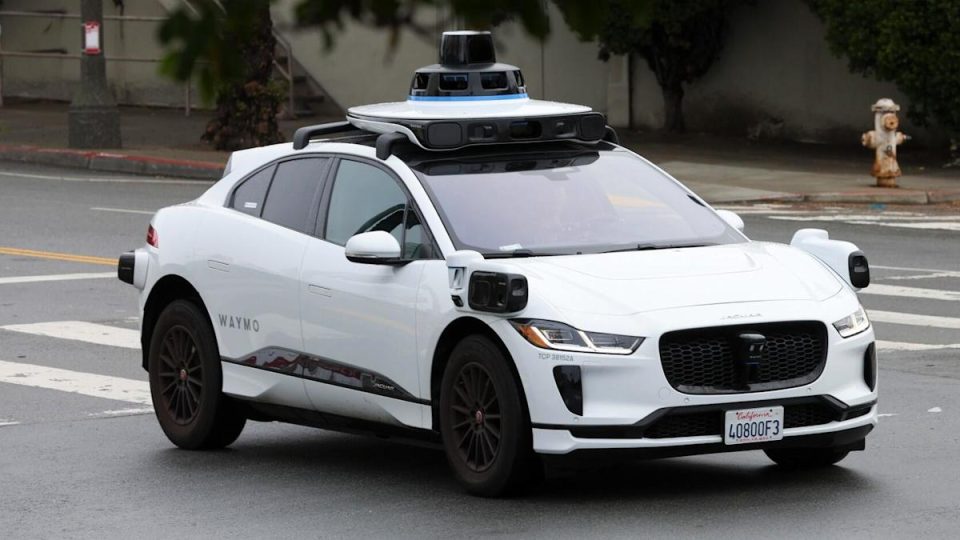
Waymo and Waze are testing a new role for autonomous vehicles, not as passenger shuttles alone, but as moving sensors that can help cities spot potholes sooner. The pilot begins in five metro areas, including the San Francisco Bay Area, Los Angeles, Phoenix, Austin, and Atlanta, where Waymo says it has already identified about 500 potholes.
The idea is simple. Waymo’s vehicles already gather road data as they drive, and that information can now flow into Waze for Cities, a free platform used by public agencies to manage traffic and road hazards. Cities and state transportation departments will be able to compare the company’s detections with reports from drivers, which may give maintenance teams a fuller picture than they get from 311 calls and manual inspections alone.
That matters because potholes are more than an annoyance. They can damage tires and suspensions, and they can also create crash risk for cyclists, pedestrians, and drivers. In places where road crews must choose which repairs to handle first, better data can affect how quickly dangerous streets get fixed and how fairly maintenance resources are spread across neighborhoods.
San Jose Mayor Matt Mahan said the city already uses object detection on city vehicles and sees value in Waymo’s collaboration as a way to identify potholes faster. Sarah Kaufman of New York University’s Rudin Center said the pilot reflects a broader responsibility for companies that use public streets, since they can also help improve those streets. Waze says its own users have long reported potholes, and Waymo’s input adds another layer of evidence to that process.
Waymo is not the only autonomous ride company expanding its footprint, but the pothole idea appears to be specific to Waymo and Waze for now. Zoox, owned by Amazon, is widening testing and service efforts in places such as Las Vegas, San Francisco, Dallas, Phoenix, Miami, Austin, Atlanta, and Los Angeles, yet the company has not announced a comparable pothole reporting program. Motional has said it is targeting commercial driverless service in 2026, with Las Vegas often cited in reporting around its plans, but again, there is no public sign that it is feeding road damage data to cities in the way Waymo is here.
If the pilot works, the effect could go beyond smoother rides. Cities could get faster alerts about road deterioration, Waze users could get warnings before they hit rough pavement, and autonomous fleets could become a kind of rolling infrastructure network. That is a useful shift in thinking, because the business value of self driving cars may not come only from moving people, but also from helping maintain the streets they travel on.
Waymo has also been expanding its ride service across more U.S. markets and continues to push into new cities, including future international plans, which makes data sharing more relevant as the fleet grows. In that sense, the pothole pilot is less a novelty than a small test of what happens when mobility companies start feeding city systems with usable, real time street intelligence.
