
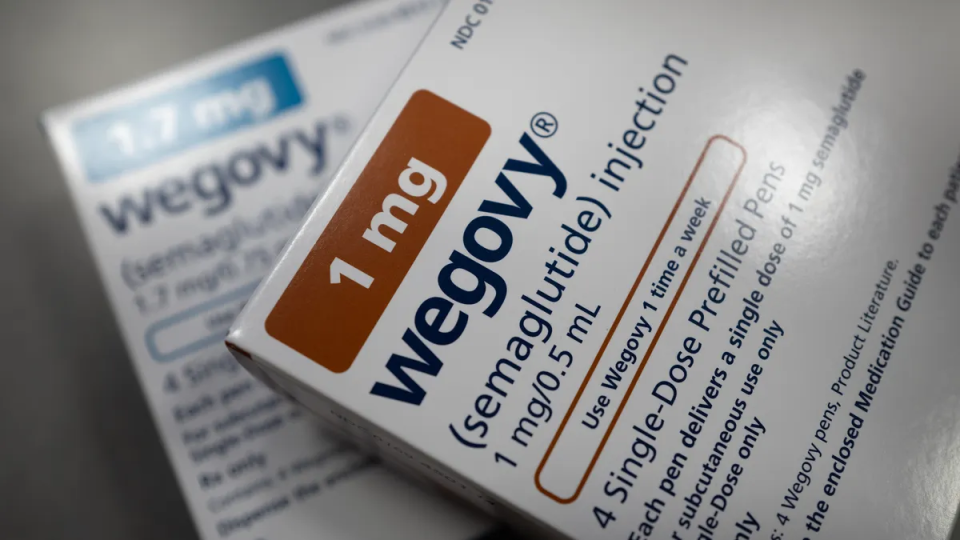
Novo Nordisk (NYSE: NVO) has made headlines lately with updates to its Wegovy lineup, including a new oral pill version and a higher-dose injection priced at $399 per month for cash-paying patients in the U.S. These moves come as the company navigates a booming market for obesity treatments. Let’s break this down step by step, starting with the basics of what Wegovy does and why these changes matter for patients and the business world.
GLP-1 drugs mimic a hormone your body releases after eating. This hormone tells your brain you feel full and slows digestion, which helps control blood sugar and cut appetite. Novo Nordisk developed semaglutide, the active ingredient in Wegovy, based on this mechanism. Originally approved for diabetes under the name Ozempic, Wegovy targets weight loss in adults with obesity or related conditions. Clinical trials show patients lose 15% to 20% of body weight over 68 weeks when paired with diet and exercise.
The original Wegovy comes as a weekly injection, with doses ramping up from 0.25 mg to 2.4 mg. People tolerate it well overall, though side effects like nausea occur in some cases. Eli Lilly (NYSE: LLY), Novo’s main rival, offers Zepbound with tirzepatide, which hits two hormones for potentially stronger results in trials.
Novo Nordisk recently launched an oral semaglutide pill for Wegovy, the first GLP-1 approved for weight loss in pill form. Unlike injections, patients take it daily on an empty stomach, which appeals to those afraid of needles or seeking convenience. Early data suggests it brings in new patients who skipped shots before, expanding the market rather than just shifting users from injectables. One study found 83% adherence after a year, higher than many chronic meds.
Still, questions linger on real-world use. Will the pill match injection results for sustained weight loss over years? Daily dosing might challenge some, and food interactions limit flexibility. Doctors see it as a game-changer for milder cases or maintenance.
Separately, Novo rolled out a higher-dose Wegovy injection at $399 monthly for self-pay patients, lower than many competing doses. This undercuts Eli Lilly’s options, which often top $1,000 without insurance. The price aims to boost access amid supply strains and rising demand. Cash-pay pricing matters since insurance covers vary, and many patients pay out-of-pocket.
This dose packs more semaglutide for faster or greater weight loss in some. Novo positions it for those needing extra help after standard doses. Early feedback points to good tolerance, but long-term data waits.
Eli Lilly fights back hard with Zepbound injections and recent oral approvals like Fundayo, another GLP-1 pill. FDA nods for these keep pressure on Novo. Both firms see the obesity market explode, projected to hit $100 billion by 2030 as more countries approve drugs and stigma fades.
Novo’s strategy focuses on variety: pills for entry, high-dose shots for tough cases. Lilly bets on dual-hormone tech for edge. Supply chains and manufacturing ramp-ups decide winners short-term.
Novo’s moves could grow the pie for everyone by pulling in needle-averse patients, but competition heats up. Watch adherence rates, head-to-head trials, and insurance shifts. If pills prove durable, expect more oral rivals. For businesses, this sector offers steady growth as obesity affects 40% of U.S. adults, driving pharma revenue.
Geopolitical factors like tariffs or raw material costs add risks. Investors eye Novo’s pipeline, including next-gen molecules. Patients gain options, but affordability and side effects shape adoption.
