
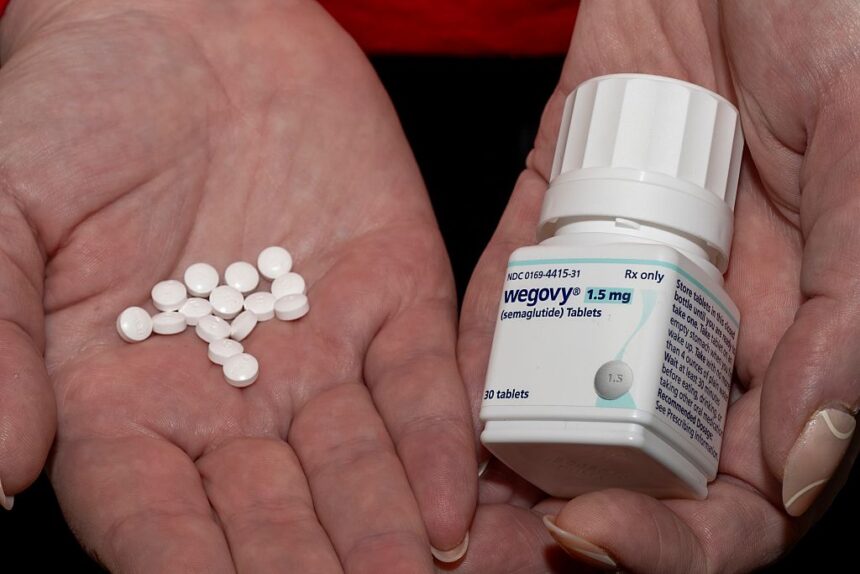
Novo Nordisk (NYSE: NVO) deals in diabetes and obesity medications. Wegovy stands out as one of its key products. This once-weekly injection helps adults and children aged 12 and older with obesity or overweight conditions tied to weight-related health issues. It mimics a hormone called GLP-1 to curb appetite and slow digestion. People often lose 15% or more of their body weight after a year on it when paired with diet and exercise changes.
The company launched its first oral version of Wegovy earlier this year. Approved by the FDA in late 2025, this pill matches the two highest doses of the injection: 7.2 milligrams and 10.8 milligrams. Patients take it once daily. It offers the same benefits without needles, which appeals to those who dislike injections. Now both formats fall under this new subscription setup.
Eligible patients pick from three, six, or 12-month plans. These cover the Wegovy injection in all doses or the pill’s high strengths. You sign up through partnered telehealth services such as Ro or Hims & Hers. They handle consultations, prescriptions, and shipments right to your door. No insurance needed; it’s for self-pay only.
Longer commitments mean lower monthly rates. For the pill, a three-month plan costs $289 per month. Switch to six months, and it drops to $269. The 12-month option brings it to $249. That setup lets users save up to $600 a year compared to buying single months at full price.
Injections follow a similar pattern with even bigger breaks. A 12-month plan can cut costs by up to $1,200 annually versus one-off purchases. Exact injection prices vary by dose and provider, but the structure rewards sticking around. Novo expects this to make treatment feel less like a budget surprise each month.
Cash prices for Wegovy have hovered high, often $1,300 to $1,500 monthly without coverage. Insurance helps some, but many face denials or high copays. About 40% of U.S. adults qualify for obesity drugs like this, yet access lags due to cost. Subscriptions aim to fix that by spreading expenses predictably.
Take a patient starting the pill. At $289 for three months, they pay upfront or in installments through the telehealth partner. Renewing longer locks in savings without re-enrolling each time. For injections, the $1,200 yearly cut could cover a full year’s supply at reduced rates. This lowers barriers for those skipping doses over price worries.finance.
Novo ties this to real-world needs. Supply shortages hit Wegovy early on, but production ramps up. Still, predictable pay helps patients stay consistent, which boosts results. Doctors note adherence drops when costs fluctuate.
Eli Lilly pushes Zepbound, another obesity contender. Its single-dose vials let patients extract up to three months’ worth, slashing costs to around $349 monthly for cash payers. Lilly also offers savings cards dropping copays to $25 with coverage. These tactics have grabbed market share.
Novo plays catch-up here. Wegovy’s subscriptions mirror that multi-dose efficiency but add pill flexibility. Lilly leads in some sales metrics, with Zepbound edging Wegovy in prescriptions last quarter. Yet Novo holds about 60% of the overall GLP-1 market, thanks to Ozempic overlap.
Both firms eye direct-to-consumer shifts. Telehealth partnerships expand reach beyond traditional pharmacies. As obesity treatments grow into a $100 billion market by 2030, patient access decides winners. Novo wants loyal subscribers to build volume over one-time buys.
Pharma companies test new models amid pricing scrutiny. Governments and payers question high list prices for these drugs. Subscriptions borrow from streaming services: commit long-term for value. This could stabilize revenue for Novo while drawing in price-sensitive users.
Competition sharpens innovation. Lilly’s vial packs forced Novo’s hand. Expect more tweaks, like bundled coaching or lower entry doses. Patients benefit most, with choices multiplying. If subscriptions boost Wegovy volumes 20-30%, Novo gains edge. Early signs show interest, with sign-ups live now. This program reshapes how obesity care reaches everyday people. It levels the field against rivals and underscores patient needs in drug pricing debates.
