
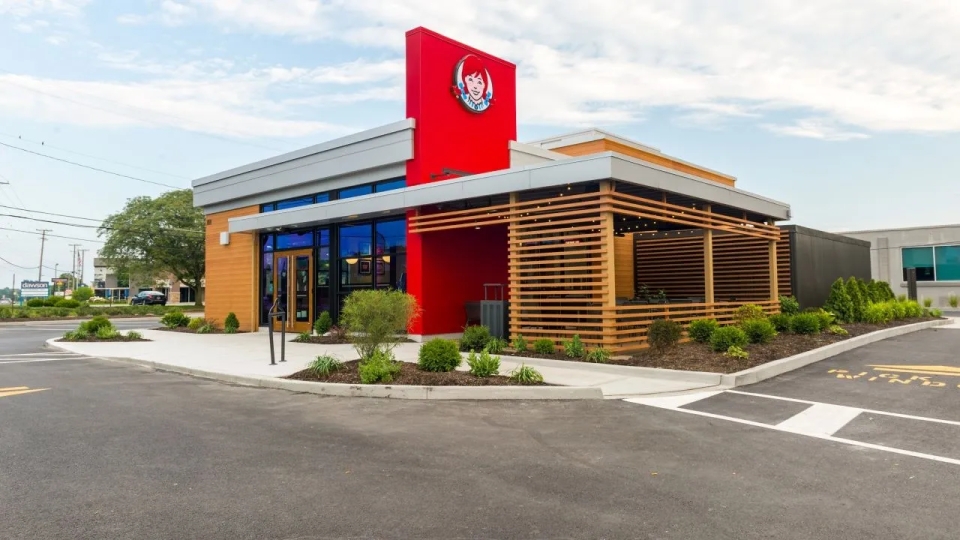
If you’ve noticed a Wendy’s (NASDAQ: WEN) nearby has quietly closed, you’re not imagining things. The burger chain is set to close between 200 and 350 of its U.S. restaurants. That’s a significant chunk, roughly a mid-single-digit percentage out of its 6,000 or so locations. This isn’t a random decision. Instead, it’s part of a larger effort by Wendy’s to turn things around and get back on track financially.
The closures are focusing on locations that just aren’t pulling their weight anymore. These are the restaurants that have been consistently underperforming, places where sales have been lagging, and they’ve become a drag on the whole network’s health. CEO Ken Cook, who stepped in on an interim basis, made it clear that this was about making tough choices to improve the overall business. These closures will start before the end of 2025 and carry on into 2026.
Wendy’s hasn’t released a detailed list of which specific stores will close, but the general idea is to trim the locations that simply can’t deliver the kind of traffic and sales needed to thrive. This means areas that have struggled to attract and keep customers will likely see cuts. By closing these weaker units, the company hopes franchisees can better focus their investment and operational energy on the stronger spots nearby, something that should help boost overall profits and customer experience.
This move is part of a bigger plan called Project Fresh. You might have heard about it, it’s Wendy’s roadmap to breathe new life into the brand. The company brought in Greg Creed, formerly at Taco Bell, to lead this transformation. The idea behind Project Fresh is to stop chasing sheer growth in location numbers and instead concentrate on making each restaurant as profitable and appealing as possible.
Project Fresh isn’t just about closing stores. It’s also about operational changes, menu updates, and marketing tweaks to realign the brand with what customers want today. The closures fit into what the company calls “system optimization,” which means keeping a close eye on each restaurant’s performance and making targeted improvements or cuts accordingly.
It’s worth pointing out that this isn’t the first time Wendy’s has trimmed its restaurant count. Back in 2024, they shut 140 spots as part of a similar effort to clean up the system and focus on more successful restaurants. These cuts are part of an ongoing strategy to sharpen the company’s competitive edge in a fast-food landscape that’s growing more crowded and challenging.
The pressures aren’t just Wendy’s own making. The fast-food sector faces rising costs for labor and ingredients, along with fluctuating consumer traffic. In the third quarter of 2025, Wendy’s reported a 4.7% drop in same-store sales in the U.S., while competitors like McDonald’s and Burger King managed slight gains. That’s a concerning trend for any brand but especially one committed to turning things around.
Despite these headwinds, Wendy’s has seen pockets of success. Its chicken tenders, affectionately called “Tendys,” have sparked enthusiasm and helped drive some positive momentum. The hope is that adding fresh products with mass appeal will help reverse the sales decline over time.
While all this is happening in the U.S., Wendy’s reported international sales growing by 8.6% in the same period. Internationally, the brand seems to be building strength, even as the domestic market demands a reset.
For franchisees, employees, and customers, these closures might feel sudden. But from Wendy’s corporate perspective, it’s about making a clear-eyed choice on where to invest and how to keep the brand relevant. The ultimate aim is a leaner, better-performing chain that can compete effectively, thrive financially, and provide a solid foundation for future growth.
