
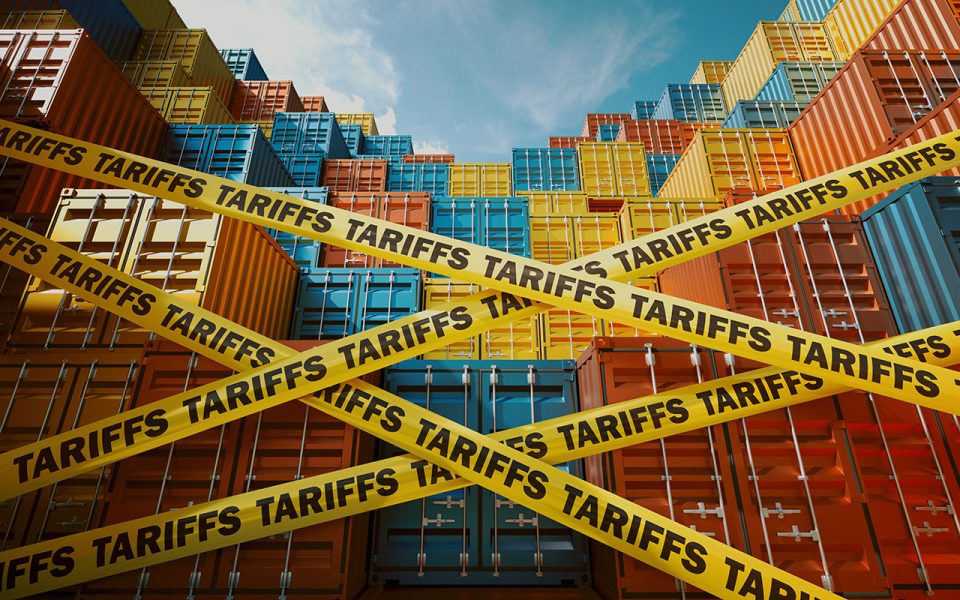
S&P Global (NYSE: SPGI) projects that the tariffs imposed by the U.S. Administration will impose a significant financial burden on global businesses in 2025, with costs estimated to exceed $1.2 trillion. This figure likely underestimates the true economic strain, as it is based on data contributed by approximately 15,000 sell-side analysts covering 9,000 companies worldwide. The tariffs act as a form of taxation on supply chains, increasing costs for businesses which then tend to pass these expenses on to consumers.
The ripple effect extends beyond direct tariffs, incorporating additional logistics challenges and freight cost increases that together deepen the financial pressure on corporations. This complex interplay channels wealth away from corporate profits and redistributes it to workers, suppliers, governments, and infrastructure investors according to S&P Global’s analysis. The broader consequence is a systemic shift in how value is allocated across the global economy, affecting not only companies but the entire supply chain ecosystem.
While the headline figure points to a trillion-dollar load on global business, the underlying components include various trade barriers that disrupt efficient commerce, forcing companies to adjust their operations and bear higher costs. The transfer of resources to governments occurs through tariffs acting as de facto taxes, while logistics delays and rising freight expenses exacerbate cost pressures.
Businesses facing these challenges may see slimmer profit margins and altered investment priorities as they adapt to a more expensive trading environment. Consumers can also expect to bear a share of these added costs, likely in the form of higher prices for goods that rely on international supply chains impacted by new trade barriers.
This analysis by S&P Global (SPGI) provides a measured yet detailed view of the broader economic consequences tariffs have beyond political discourse. The financial strain on companies is clear, underscoring how trade policies reverberate through the global economy, influencing corporate strategy and consumer costs alike.
