
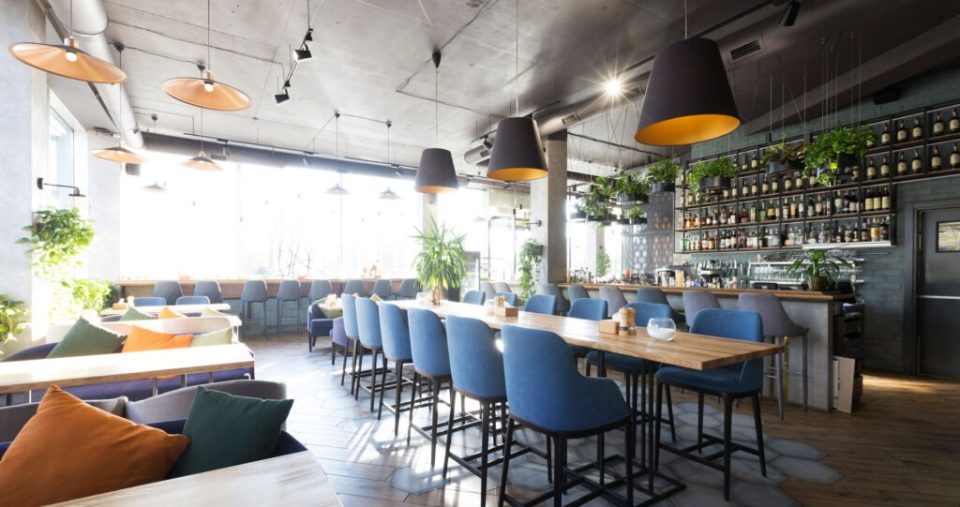
It was a strange year for the U.S. restaurant industry. Despite a stable job market and easing inflation, Americans ate out far less in 2025. According to data from Black Box Intelligence, restaurant traffic fell every month except July, a puzzling signal in an economy that was, by most measures, on solid footing.
For restaurant owners, this wasn’t merely a story of rising prices or economic fatigue. It reflected a deeper change in how people spend their leisure time and prioritize value. After years of rapid digital adoption and takeout convenience, many consumers quietly pulled back. Some cut discretionary spending entirely, while others traded dinners out for simpler, home-centered experiences.
Chains that once seemed untouchable began rethinking their operations. Starbucks (NASDAQ: SBUX) announced plans to close several underperforming stores in urban areas, citing shifts in commuting patterns and changing consumer routines. Wendy’s (NASDAQ: WEN) also adjusted by scaling back some dine-in formats, pivoting toward digital and drive-thru sales. Denny’s (NASDAQ: DENN) quietly exited select locations as late-night dining, a defining part of its brand, showed sharp declines compared to pre-pandemic years.
When viewed together, these closures tell a broader story. It wasn’t that Americans fell out of love with restaurants, but their habits evolved faster than many chains could adapt. Household budgets remained under pressure due to lingering inflation in essentials like housing, auto insurance, and groceries. A dinner for two that once felt like a small luxury began to compete with everything from rising utility bills to student loan repayments.
At the same time, new forms of entertainment chipped away at restaurant traffic. Streaming and gaming subscriptions offered inexpensive ways to relax at home. Grocery delivery apps made preparing meals less of a chore. For younger consumers in particular, eating out no longer served as the primary form of social connection it once was. The idea of “going out to eat” transformed into a more selective, occasional indulgence.
Smaller, independent restaurants faced the toughest squeeze. Many operated on razor-thin margins, relying on steady walk-in traffic to survive. As fewer customers came through the door, some shuttered altogether, unable to absorb higher labor and food costs. According to Restaurant Dive, more than 5,000 independent dining establishments closed in 2025, with full-service concepts facing the steepest declines in traffic.
Industry analysts suggest that some of this adjustment was inevitable. After pandemic-era volatility and rapid digital expansion, consumer behavior was always likely to find a new equilibrium. But the patterns emerging in 2025 hinted at more lasting change. Americans were rediscovering the personal and economic logic of home cooking, aided by technology that made meal planning easier and grocery prices slightly more stable.
For major chains, the pullback forced difficult but strategic decisions. Shrinking real estate footprints, reducing hours, and investing more heavily in mobile-order platforms became common strategies to balance declining foot traffic with rising online demand. Starbucks, for instance, emphasized its pickup-only stores and drive-thru models in suburban markets, where customers increasingly sought convenience over ambiance.
What remains uncertain heading into 2026 is whether the slowdown represents a temporary economic pause or a structural redefinition of dining culture. If inflation continues to ease and wages rise, consumers could return to restaurants in greater numbers. But if they have internalized new spending habits, the traditional restaurant model may need to be reinvented entirely, smaller, more flexible, and aligned with a digital-first lifestyle.
For now, the industry’s reality is clear: fewer diners walked through restaurant doors in 2025, and the cultural meaning of eating out quietly shifted. Restaurants are still a vital part of American life, but for many households, their place has changed, from a weekly ritual to an occasional reward, shaped as much by habit as by economics.
