
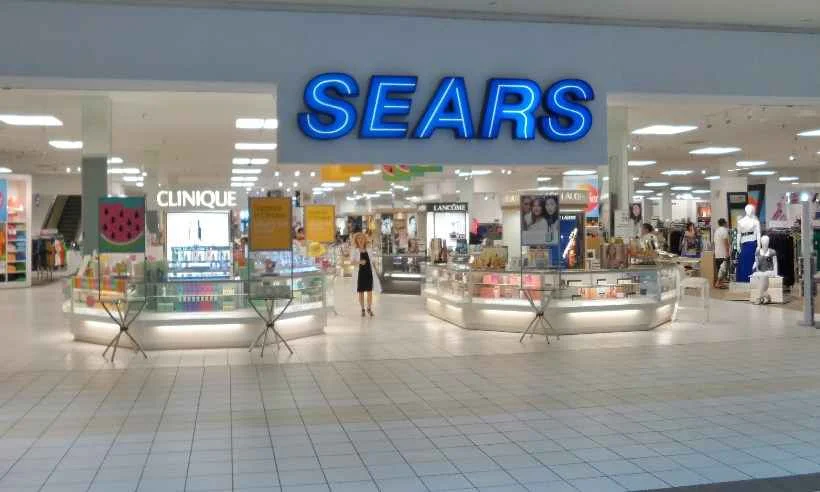
Sears, once a titan of American retail, may be approaching what could be its final Black Friday. This holiday season in 2025 finds the retailer clinging to just five stores nationwide, a stark contrast to the 2,000 locations it held two decades ago. The company’s precarious position highlights not only its own struggles but also the dramatic shifts in retail and consumer habits over the years.
At its peak, Sears, Roebuck and Co. was a cultural and commercial draw that shaped how Americans shopped and what they expected from their department stores. But today, those once-bustling stores have turned into near-empty shells. Retail experts describe the remaining Sears locations more as “phantoms” than viable outlets. Mark Cohen, formerly an executive with Sears Canada and head of retail studies at Columbia University, captures the somber truth: “Someone unlocks the door in the morning and locks it at night, but there’s actually nothing to sell in the stores”.
Profitability has long been out of reach for Sears. Neil Saunders, managing director at GlobalData, comments that the odds of these few stores turning a profit are “for the birds,” recalling that even when Sears was a retail giant, profitability was a challenge. The company’s struggles can be attributed to several factors. First, Sears fell behind as discount giants like Walmart and category leaders like Home Depot rose to prominence. Its inability to keep up with e-commerce trends only deepened the divide. Leadership decisions, including the merger with Kmart in 2005 under Eddie Lampert, shifted focus from reviving stores to extracting value from real estate and repurchasing shares, rather than modernizing and innovating the shopping experience.
Despite this grim reality, some locations still draw customers, sparking debate among shoppers about whether Sears will survive another holiday season. Reports from shoppers at stores like the Concord location in California reveal scenes reminiscent of busier times, with increased foot traffic and staff on hand. Yet others share starkly different observations, noting empty shelves, limited inventory, and uncompetitive prices that contrast sharply with neighborhood retail options. This split view illustrates how the brand still holds nostalgia and some customer loyalty, but lacks the offerings that drive sustained success.
Retail insiders suspect that the remaining stores may continue to operate more for accounting reasons than profitability. Lampert might be maintaining store operations to accrue losses for tax purposes or may be hindered by costly lease agreements, complicating closures. Many believe the brand’s fate is sealed in the near term unless radical transformation occurs, a prospect experts largely dismiss given Sears’ years of decline. Cohen bluntly sums up the challenge: “If you’re in retail and trying to sell something nobody wants anymore, you’re in a world of hurt. Success entirely depends on skills that have been absent for too long”.
The potential end of Sears at Black Friday 2025 serves as a microcosm of the broader changes in American retail. Once dominant brick-and-mortar chains now face an ecosystem transformed by online shopping, changing consumer expectations, and fierce competition. For business observers and shoppers alike, Sears’ story offers lessons about adaptation, relevance, and the difficulty of reversing decline once momentum is lost.
