
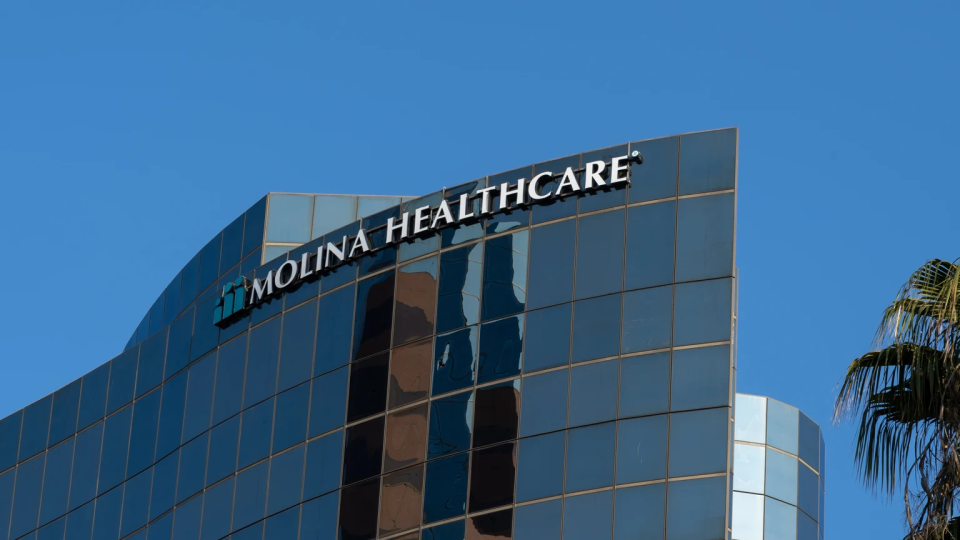
Shares of Molina Healthcare, Inc. (NYSE: MOH) plunged more than 25% this morning. The drop came after the company shared its financial results for the last quarter of 2025 and its plans for 2026. For a company focused on health insurance for low-income families, this kind of reaction raises questions about what went wrong.
Molina works mainly with government programs like Medicaid and Medicare. These plans cover medical care for millions who rely on public support. The business model sounds simple: collect premiums from these programs and pay doctors and hospitals for services. When costs stay in check, profits follow. Lately, though, keeping those costs under control has proven harder.
The trigger for the selloff was weaker results than expected. Premiums grew to about $11 billion for the quarter, which sounds solid on the surface. But medical bills ate up most of that money. Almost 95% of every premium dollar went to patient care. Adjustments in states like California added pressure, as did higher drug costs and more hospital stays in Medicare plans. Marketplace insurance, a smaller piece of the business, saw even tougher numbers from unexpected claims.
For the full year 2025, revenue climbed 11% to $43 billion. Still, profits took a hit compared to the year before. Looking ahead to 2026, Molina sees premiums holding around $42 billion. Earnings might come in lower than before, partly due to new contracts and ongoing medical trends. The company plans to pull back from some Medicare products by 2027 to focus on its strengths in Medicaid.
This is not just Molina’s story. Other big health insurers have faced similar rises in care costs across the U.S. Programs like Medicaid often set rates that do not keep pace with hospital prices or new treatments. Enrollment shifts helped a bit, bringing in healthier members who use less care. Molina kept its office costs low at under 7% of revenue, a sign of careful management.
The sharp stock move reflects broader worries. Trading volume spiked as investors sold off shares, pushing the price down. Some see opportunity in the lower valuation, with the company trading at a low multiple of past earnings. Others fear medical inflation will linger.
