
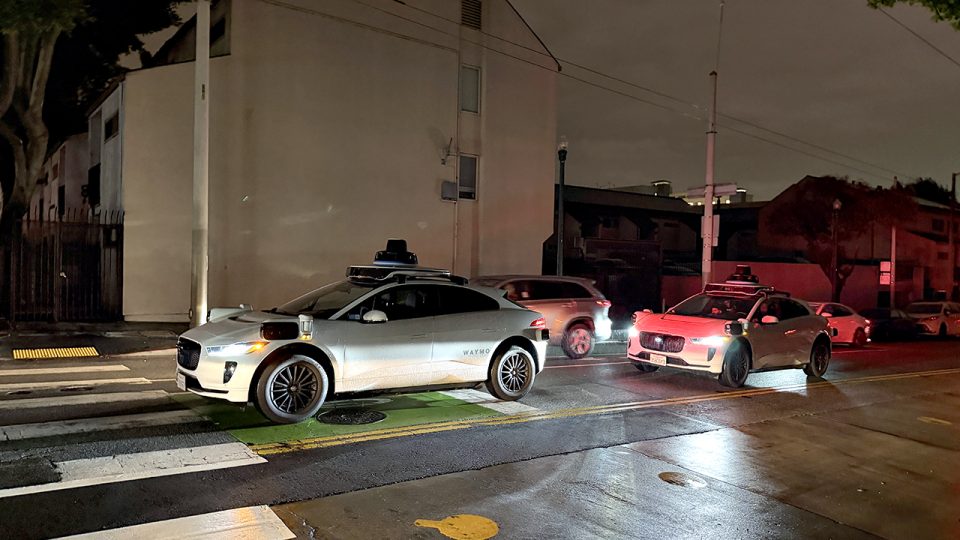
Waymo LLC, the self-driving technology company owned by Alphabet Inc. (NASDAQ: GOOGL), faced an unexpected challenge when a widespread blackout in San Francisco forced it to temporarily halt its autonomous ride-hailing operations. The event, which occurred on a Saturday evening, exposed the complexity of managing driverless fleets in unpredictable real-world conditions.
In a blog post published shortly after the outage, Waymo explained that it was pausing operations to ensure safety while the city’s power infrastructure was unstable. The company also emphasized that the vehicles themselves were not at fault, but that the situation revealed important gaps in system-level readiness for infrastructure failures. For a company that has spent years proving the reliability and safety of autonomous driving in dense urban environments, the blackout served as a rare test of resilience.
The incident affected parts of San Francisco’s transportation network for several hours. For most residents, the blackout meant a few canceled appointments or delayed commutes. For Waymo, however, it represented a scenario that real-world testing cannot easily replicate: sudden loss of external support systems that many automated platforms quietly depend on. When essential communications networks or traffic signaling systems go down, autonomous vehicles can find themselves without the information they rely on to make safe decisions.
Responding publicly, Waymo outlined three immediate steps to prevent similar disruptions. First, the company said it would improve how its vehicles detect and respond to large-scale infrastructure problems, such as citywide or regional connectivity issues. Second, the team plans to update fleet management protocols so vehicles can safely transition to controlled stops or return-to-base procedures during systemic outages. Third, Waymo is expanding coordination with local authorities and utilities to create more reliable emergency communication pathways. Each measure aims to reduce risks and restore service continuity faster during unexpected events.
This measured response signals that Waymo is taking the event not as a setback but as an opportunity to strengthen its operations. Rather than viewing outages as pure technical failures, the company is approaching them as system-wide learning experiences. Driverless cars are deeply intertwined with their environments: they depend on cloud-based data, city infrastructure, and stable power grids as much as they depend on onboard sensors. Therefore, resilience becomes not just a hardware or software question, but a network design challenge.
The company’s transparency following the outage also aligns with how the broader public and regulators expect autonomous vehicle firms to communicate today. Safety narratives in the industry have evolved from promises of perfection to discussions about adaptability. Failures, when acknowledged and addressed, build credibility in ways silent successes cannot. For a sector still gaining public trust, admitting where systems fall short and showing a clear path forward can be more valuable than maintaining an image of unshakable control.
For Alphabet, the incident underscores the balance between innovation and accountability. Waymo operates with significant autonomy within its parent company’s structure, but events like this inevitably echo back to shareholders and analysts. The automotive and technology industries are watching to see how lessons from San Francisco inform Waymo’s broader rollout strategy in other cities.
Waymo has never promised that its vehicles are flawless, but the blackout highlighted how deeply autonomous technology depends on the physical world it aims to navigate. Addressing those dependencies requires not just smarter algorithms, but better preparation for the moments when the world briefly comes undone. Through this event, Waymo is demonstrating that progress in self-driving technology often comes not from flawless performance, but from how effectively a company learns to adapt when things go wrong.
