
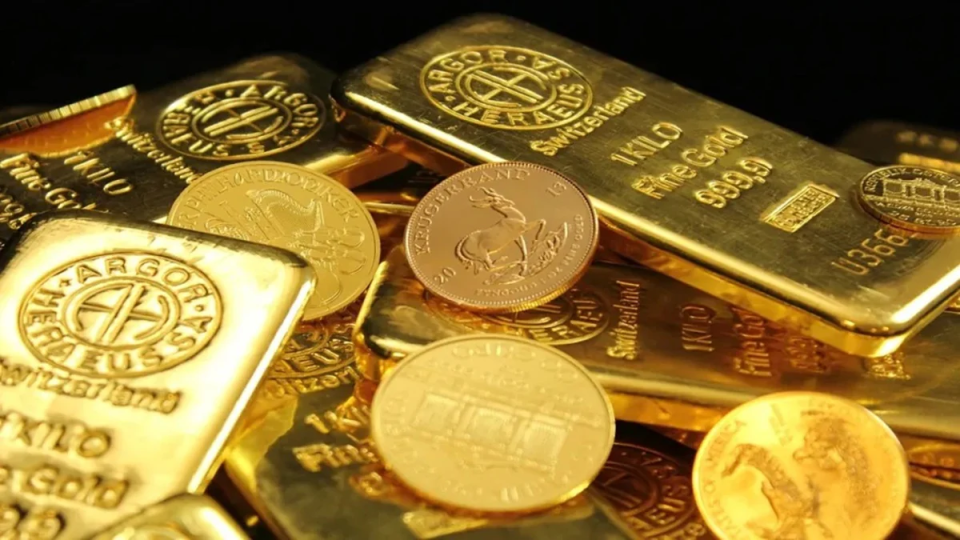
Gold hit a peak of $5,419 per ounce yesterday, only to fall to around $5,050 today. That marks a drop of $369.32, or close to 7%. For business readers new to commodities, this kind of swing shows how gold reacts to world events and money flows. Let’s walk through what led to the rise and why it reversed so fast.
The climb started with growing tensions in the Middle East. Reports of U.S. and Israeli strikes on Iranian targets the end of February sparked fears of wider conflict. Gold often acts as a safe place for money when wars or threats loom, since people trust it more than paper cash during chaos. Prices jumped over 2% in one day, pushing past $5,400, as buyers rushed in to escape riskier investments like stocks. This pattern holds true historically; gold tends to gain about 0.30% in the first week of conflicts and up to 8.98% over a year.
Central banks added fuel to the fire. In 2026, they have kept buying gold to diversify reserves away from the U.S. dollar. With talks of de-dollarization and doubts about Federal Reserve independence, these institutions saw gold as a steady store of value. Year-to-date gains reached 22% before the latest news, outpacing many other assets. Analysts noted strong retail demand too, as everyday investors piled in amid uncertainty from tariffs, U.S. debt worries, and trade shifts.
Inflation played a role as well. Persistent price pressures made gold look good as a hedge. Oil prices spiked with the Iran news, since that country holds major reserves, raising costs for energy worldwide. Higher inflation erodes currency value, so gold, which holds buying power over time, draws interest. Some forecasts have called for prices up to $6,000 this year, with some eyeing $7,150 averages around $4,742.
So why the sudden drop? Profit-taking kicked in hard. After such a fast run-up, traders sold to lock in gains, especially at those record levels. This happens often in hot markets; excitement builds buying, then reality prompts sales. The U.S. dollar strengthened too, which hurts gold. Since gold trades in dollars, a stronger currency makes it costlier for buyers using euros or yuan, cooling demand. The dollar got a boost from safe-haven flows of its own and hopes for steady interest rates.
Interest rates tie into this closely. When rates stay high or rise, they make bonds more appealing than non-yielding gold. The Federal Reserve’s path matters here. If they hold firm against inflation despite tensions, gold faces headwinds. Recent nominations like Kevin Warsh for Fed chair added to bets on tighter policy, prompting some pullback. Real rates, which adjust for inflation, pressure gold when positive.
Broader uncertainties linger from U.S. policy jitters and midterm election talk. Equity markets looked overvalued, pushing some toward gold initially, but dollar resilience flipped the script. Oil and currency volatility amplified everything; a brief dollar dip during early conflict news reversed quickly.
This drop does not erase the bull trend. Gold sits far above last year’s levels, with structural supports like central bank buys intact. If tensions ease or diplomacy steps in, prices might stabilize around $5,000. But escalation could reignite the climb toward $5,500 or more. Markets watch oil flows, Fed signals, and headlines closely.
Gold’s dance with geopolitics and dollars offers lessons. It thrives on fear but corrects on calm or currency strength. Today’s move reminds us that even safe havens swing with sentiment. Keep an eye on those factors, and the next shift makes sense.
